(2025.10.21 Crux Senior Correspondent Elise Ann Allen)
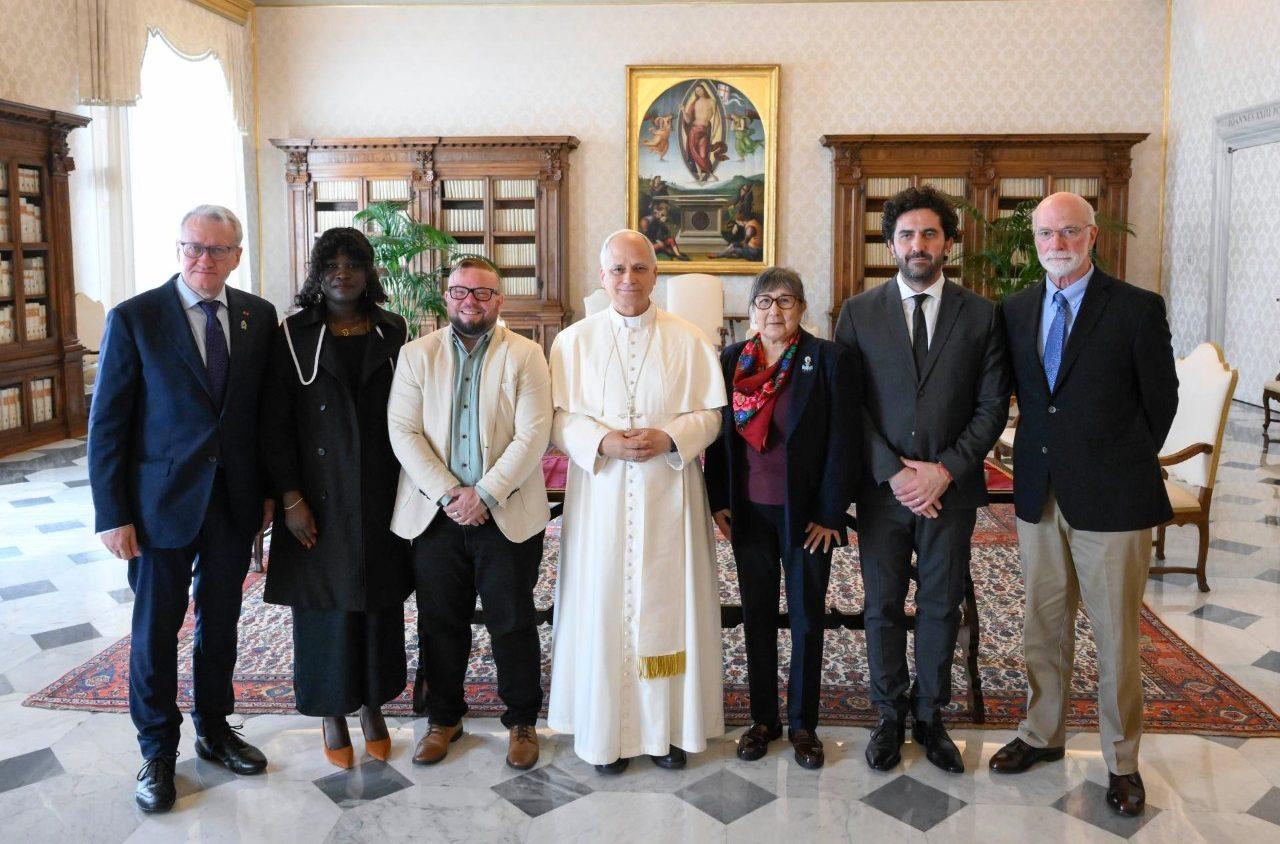
教皇フランシスコは在位中、教会が性的虐待という惨劇に断固として対応するよう求め続けてきた。これは、悪から離れ、傷ついた者たちの癒しへと向かう継続的な回心という教会の使命に合致するものである。
昨年のパイロット版年次報告書において、委員会は教会が歩む本質的な回心の道程を伴走する司牧的・神学的枠組みとして「回心の正義」を採用したことを詳述した。パイロット版年次報告書で説明されている通り、回心の正義は以下の四つの相互に関連する柱から構成される:
委員会は年次報告書の各版において、これらの様々な柱を継続的かつ輪番制で研究することを約束した。
本年次報告書は、委員会による賠償に関する詳細な研究とその牧会的・神学的基盤(すなわち、被害者/生存者の癒しと修復の旅路を伴走する教会の責任として理解されるもの)の成果を提示する。
本第二回年次報告書は、償いとその牧会的・神学的基盤に関する委員会の詳細な研究結果を提示する。償いは、被害者/生存者の癒しと修復の旅路を伴走する教会の責任として理解される。本研究は、現地教会における既存の償い実践と包括的償いを実現する上での持続的課題から知見を集めた。
委員会年次報告書被害者/生存者焦点グループは、被害者/生存者からの直接的な意見を通じて、本研究に不可欠な洞察をもたらした。本研究の結果は、金銭的補償の部分的かつ往々にして不十分な役割を超え、教会が償いの重要な手段としてさらに取り入れなければならない具体的な実践を特定している。
委員会は、償いの実践を継続的かつ輪番制で研究することを約束した。本第二回年次報告書は、償いの詳細な研究とその牧会的・神学的基盤に関する委員会の
グループは、被害者/生存者からの直接的な意見を取り入れながら、本調査に不可欠な洞察をもたらしました。
本調査の結果は、包括的な賠償アプローチにおいて金銭的補償が果たす部分的で往々にして不十分な役割を超え、教会が賠償の重要な手段としてさらに積極的に取り入れるべき具体的な実践を特定している。例えば、制度改革。被害者が教会当局に聴かれ、信じられるための「声を歓迎する聴取センター」の設置保証、専門的な心理的支援サービスの提供、公的な承認と謝罪、被害者との積極的かつ透明なコミュニケーションによる事件の進捗状況の適時な共有、教会の保護方針・手順策定への被害者の参画、被害者からの学び:委員会が継続的に拡大する傾聴の奉仕など。
委員会は、虐待の被害者/生存者から直接傾聴する中で得た10年以上にわたる知見の恩恵を受けてきた。被害者/生存者中心のアプローチに沿い、委員会は年次報告書被害者/生存者焦点グループ(ARフォーカスグループ)を設立し、第1回年次報告書において1地域でその手法を試験的に導入した。
同時に委員会は、パイロット実施から得た知見に基づき、ARフォーカスグループ手法の拡大に取り組むことを約束しました。この約束を忠実に守り、委員会は第2回年次報告書においてARフォーカスグループ手法を全4地域に拡大した。委員会は、ARフォーカスグループ参加者として惜しみなく貢献してくださった被害者の皆様に深く感謝している。
彼らの視点と意見は、年次報告書の「対話的正義」に関する議論の直後に設けられた専用セクションにまとめられている。彼らが共有した経験は、本年次報告書全体、特に特定の教会組織に対する委員会の勧告に関する分析に直接反映されている。
委員会は、シノダルの段階を超えて、今後の年次報告書の作成過程の様々な段階において、被害者の貢献をさらに拡大する、という継続的な取り組みを改めて表明する。
主な所見と観察:普遍的教会の保護活動への同行
本年次報告書は、委員会が主要な所見と観察結果を体系的に要約し、教皇、被害者、現地教会、そして神の民全体と共有する機会を再び提供する。
今年の主要な所見と観察事項は以下の通り:
委員会による専門研究に基づく、教会内虐待被害者/生存者への賠償に関する実践的指針の要素。この手引書は、教会が被害者/生存者に対する基本的義務を果たすためにさらに取り組むべき6つの領域に知見を集約している:(1) 受け入れ、傾聴、ケア、(2) コミュニケーション:公的・私的謝罪、(3) 精神的・心理療法的支援、(4) 経済的支援、(5) 制度的・規律的改革、(6) 教会共同体における保護活動。
虐待や過失事例における教会指導者・職員の辞任・解任に関する簡素化された手順の重要性。委員会は、パイロット版年次報告書からの知見と、賠償に関する研究によってさらに裏付けられた結果に基づき、虐待や過失事例に関連する決定がなされた場合、辞任・解任の理由を公に伝えることの重要性を強調する。このような手順及び関連するあらゆる情報伝達は、プライバシーと無罪推定に関する原則を適切に尊重するものである。
人権、虐待防止、保護を専門とするカトリック系大学研究センターを含む学術ネットワークを構築し、報告書対象国・地域における関連データを収集することの価値。パイロット年次報告書からの知見をさらに発展させ、委員会は、このようなネットワークが年次報告書の方法論における情報源の多様化に寄与すると指摘する。
現地教会の保護活動に関する体系的かつ義務的な報告メカニズム構築の重要性。教会は独自の組織構造に基づき、長年にわたり様々な活動に関する情報を文書化・収集する能力を有してきた。委員会は、教会が定期報告の強力な伝統を活用し、保護方針とその実施状況を含めることで、透明性と説明責任の向上を促進できる能力を指摘する。
現地教会と共に歩む使徒座大使の果たす重要な役割。委員会は、世界中の聖座外交団との緊密な連携の重要性を認識している。同外交団は、現地教会における保護活動への奨励・支援・同行において独自の立場にある。
年次報告書の構成
年次報告書の各セクションでは、以下の内容を提示することで複数の教会組織を分析する:1. 詳細な概要 2. 保護活動の概観 3. 委員会による保護課題への批判的所見 4. 委員会による提言
年次報告書の各段階では、記載された教会機関それぞれに対し、協議的かつ実践的なアプローチを採用している。対話的正義に則り、本年次報告書対象の教会組織には積極的な参加が求められます。委員会は、この第二回年次報告書作成プロセスに真摯に取り組んだ全ての教会組織に感謝する。その関与は、様々な司教協議会、修道会、教皇庁部局、信徒団体にまたがる共通の保護活動への意義ある献身を示した。
第1章:焦点となる地方教会
教皇庁の安定した機関として、委員会は地方教会や修道会の保護活動に同行する独自の立場にある。委員会はその同行の使命を、主に三つの経路を通じて継続的に遂行しています:(1) 標準的なアド・リミナ訪問プロセス、(2) 特定の司教協議会または修道会からの積極的な要請、(3) 委員会の地域グループからの特別要請。
第1章の目的は、地方教会および修道会における保護活動と課題、ならびに委員会によるその後の提言を報告することである。第1節は、地方教会・修道会との間で、保護をめぐる持続的かつ継続的な対話、教育、優良事例の共有、連帯の動員を図るためのツールとして機能する。
本年次報告書では、第1節の方法論に二つの主な進展が含まれている。第一に、対象国ごとに、委員会は国連児童の権利委員会の報告メカニズムからの所見(市民社会組織によるシャドーレポートを含む)を提示する。委員会は、当該国内の現地教会における保護活動に関連するあらゆるデータを精査し記録する。これは、教会当局から提出されたデータを相互参照し、文脈化・検証するための強力な外部データセットとなる。
次に、シノダル段階において、委員会は司教協議会および修道会に対し、各組織の実情を提示した草案の検討とコメントを体系的に要請しています。この手法はさらに拡充され、関連する現地教会に駐在する教皇大使にもシノダル段階での並行コメント提供を要請するようになった。これにより、現地教会指導者から提出されたデータに対する追加的な検証メカニズムが提供されている。。
本年次報告書で対象とする修道会は以下の通り:
• 聖ガブリエル・モンフォール会(男子)
• アフリカの聖母宣教修道女会(女子)
第2章:大陸各地域における教会の保護活動
委員会が地域教会における保護活動に密接に関与していることは地域グループを通じて一貫して示されている。委員会のメンバーは出身国別に地域グループに編成されている。
メンバー及び地域スタッフが世界各地で活動していることから委員会は常に、教会の主要な地域保護専門家からの分析を収集している。
第2章の目的は、地域保護の実情に関する専門知識と知見に基づき、委員会地域グループによる第一線の分析を提示することにある。特に、委員会が現地レベルで被害者/生存者と関わる活動から得られた知見が反映されている。
本第2回年次報告書における賠償に関する調査・分析は、第2章で特に顕著に示されている。実際、委員会は各地域における教会内の賠償に関連する既存の実践と課題の幅広い範囲を提示している。
アメリカ大陸、ヨーロッパ、オセアニアの教会の一部は賠償への重要な取り組みを示しているが、金銭的補償への過度の依存は被害者/生存者に対する修復と癒やしの包括的な理解を妨げている。
教皇庁未成年者保護委員会
本年次報告書において、委員会は以下の事項に関する分析と提言を提示する
2024年度報告期間中にアド・リミナ訪問を行った以下の司教協議会:
• イタリア(地域別内訳を含む)• ガボン• 日本• 赤道ギニア• エチオピア• ギニア(コナクリ)• ボスニア・ヘルツェゴビナ• ポルトガル• スロバキア• マルタ• 韓国• モザンビーク• モザンビーク• レソト• ナミビア
• 北アフリカ司教協議会(アルジェリア、モロッコ、西サハラ、リビア、チュニジア)• マリ• ケニア• ギリシャ
中南米、アフリカ、アジアの多くの地域では、被害者・生存者への支援に充てる十分な専用資源が依然として不足している。
最後に、各地域の様々な地方教会から、償いのための示唆に富む実践例が生まれている。トンガの伝統的な共同体による癒しの実践「フルイフィ」、米国における被害者・支援サービスの詳細な年次報告、ケニア・マラウイ・ガーナで進行中の保護ガイドライン見直しプロセス、そしてイタリア・ボルツァーノ=ブレッサノーネ教区による注目すべき真実を語る報告書『Il coraggio di guardare(見つめる勇気)』などが挙げられる。
第3章:地方教会への奉仕におけるローマ教皇庁の保護政策と手続き
ペトロの務めへの奉仕において、委員会は「政府全体」アプローチを推進するため、ローマ教皇庁の様々な保護関連権限を検討する。委員会は特に、保護に関連する聖座の政策、手続き、管轄権に関する理解と透明性の向上を目指す。
第3節では、教会生活における各部署の固有の権限に基づき、委員会が特定の教理省の保護活動への関与を明示する。
本第2回年次報告書では、福音化省(初伝道・新個別教会部門)の分析を含みます。同部門は宣教地域における地方教会支援において極めて重要な機能を果たしており、その統治と保護活動の監督も含まれる。その管轄下にある地方教会は約1,200の教区に及ぶ。
委員会は同部局の保護活動への強い取り組みを確認し、年次報告書作成プロセスへの積極的な関与を歓迎する。委員会は本年次報告書に含まれる提言の実施について、同部局との協力を期待している。
第4章:社会における教会の保護活動
年次報告書の各版において、第4章は広範な社会の人々に届く教会の多様な側面を探求する。本章では、委員会は教会の社会奉仕活動(しばしば子どもや脆弱な立場の成人の権利擁護を担う)に焦点を当てると同時に、それらの活動実施における適切な保護基準の確保の重要性を強調する。
本年次報告書において委員会は、使徒職の特定の側面を推進するために協力する信徒の公式かつ公認の団体である信徒協会の研究を開始する。聖ヨハネ・パウロ二世は『信徒キリスト者』使徒的勧告において、「『文化的』効果は、個人単独によるよりもむしろ、 個人を『社会的存在』として、すなわち集団・共同体・団体・運動の一員として活動させることによって達成される。このような働きこそが、周囲や社会を変革する源であり原動力となる…」と述べている(29項、太字は筆者)。
使徒憲章『福音宣教』によれば、これらの信徒団体は信徒・家族・生命省の管轄下にある。これに基づき、委員会は信徒・家族・生命省がこれらの信徒団体の保護活動面を支援するためのパイロット手法を開発した。
本年次報告書は、そのパイロット手法と、一つの信徒団体「マリアの業―フォコラーレ運動」における初期実施事例を提示する。
委員会は、フォコラーレ運動が最近実施した重要な保護改革を歓迎する。具体的な勧告を指摘しつつ、委員会は特に優れた実践例として以下を強調する:フォコラーレ運動内の虐待事例対応のための独立中央委員会の設置、児童及び脆弱な成人に対する性的虐待に関するコミュニケーション方針、性的虐待事例における支援及び金銭的賠償に関するガイドライン。
メモラーレ・イニシアチブ
委員会は、グローバル・サウス地域の現地教会における保護能力構築イニシアチブとして、被害者/生存者向けメモラーレ・イニシアチブの拡大を継続している。
現在、委員会は世界各国の現地メモラーレ・イニシアチブ向けに20件の協定を締結しており、さらに12件が交渉中である。
財務報告
委員会は毎年、活動内容と支援者からの支援状況に関する簡潔な財務報告を提出しています。2024年度報告期間における委員会の財務報告は、本第2回年次報告書の付録に掲載されている。
(2025.10.16 Crux By Nicole Winfield, Associated Press)
ローマ発―教皇庁未成年・弱者保護委員会が、15日発表した賠償問題を主題とする第2回年次報告書で、カトリック教会には聖職者による性的虐待被害者の癒しを支援する「道義的義務」があるとし、「金銭的賠償と加害者及び共犯者への制裁」が不可欠な救済策だと指摘した。
委員会が二回目の年次報告書で賠償問題に焦点を当てたのは、これがカトリック教会にとってしばしば敏感な話題であり、聖職者階層に課される財政的・評判的・法的影響を考慮すれば、当然だ。そして、数十人の被害者からの意見を踏まえて作成された報告書は、被害者が虐待のトラウマから回復するために必要な治療やその他の支援を提供するには金銭的和解が不可欠、と強調した。
さらに、報告書は、「教会が被害者、より広くは教会共同体、そして神に対して負う負債は、はるかに大きい」と指摘。「教会指導部は、被害者の声に耳を傾け、精神的・司牧的支援を提供すべきだ」とし、「教会指導者は加害行為についての被害者への謝罪、加害者への処罰措置、将来の虐待防止策を被害者に説明せねばならない」とも強調した。
そして、「教会は、権威ある立場にある者によって行われ、助長され、誤って処理され、あるいは隠蔽された性的暴力によって被害者が負わされた深い傷を癒す道徳的・精神的義務を負っている… すべてのキリスト教徒が求められる正義と兄弟愛の原則は、責任の承認だけでなく、具体的な償いの措置の実施をも要求する」と言明している。
*教皇レオも性的虐待問題が教会にとって依然、危機であり、被害者への癒しの必要を認めている
報告書は2024年までの被害、教会が行った対応などを対象とし、教皇レオ14世が選出される前の期間をカバーしている。史上初の米国人教皇は、虐待スキャンダルが教会にとって依然として「危機」であり、被害者の癒やしには金銭的賠償以上のものが必要であること認めている。
彼は、虐待防止のベストプラクティスについて教会に助言するため2014年に教皇フランシスコによって設立された委員会への関与を示している。設立から10年間、委員会はバチカン内部で足場を固めるのに苦労した。バチカン関係者は虐待危機と向き合うことに抵抗を示し、被害者中心の政策を支持することに敵対的だったからだ。
しかし近年、委員会はバチカン官僚機構における自らの立場を確立。7月にはレオ教皇が新たな委員長として、米国のショーン・オマリー枢機卿の後任に、フランスのティボー・ヴェルニ司教を任命した。
*教会内部の秘密主義的対応が、被害者に”再度のトラウマ”を引き起こしている
今回の報告書は、「具体的な説明責任を伴わない秘密主義的なプロセス」に基づく教会の内部での性的虐待への対応そのものが、被害者に”再度のトラウマ”を引き起こしている、と指摘。
「教会が数十年にわたり、被害者を放棄・無視・恥辱・非難・烙印を押すなど、報告を誤って処理してきたパターンが、継続的な害として被害者にトラウマを永続させていることを改めて強調せねばならない」と述べた。
これは、教会が内部の教会法典に基づいて虐待事件を処理する場合の機能不全的な方法を指している。現法典では、連続強姦犯の司祭に科される最も重い罰は、「解雇」に過ぎない。
しかも、このプロセスは秘密主義ノベールに包まれており、被害者は事件の結果を知る権利しか持たず、その結果すらも、長年の待機期間を経てようやく通知されることが多い。被害者が取れる実質的な手段は、自らの体験を公にすることだけだが、それは被害者に再度のトラウマを引き起こす可能性がある。
報告書は「犯罪の重大さに比例した具体的な制裁」を求めた。児童・弱者を強姦した司祭には俗人化(司祭職剥奪)の可能性もあるが、教会は司祭を完全に排除することをしばしば嫌う。深刻な虐待事件であっても、現役司祭職からの一時的な離脱といった軽い制裁を与えることが頻繁にある。
司教が事件処理の失敗で解任されても、公には「引退した」とだけ伝えられる。報告書は教会に対し「辞任または解任の理由を明確に伝えること」を求めた。
アフリカ、アジアの教会からバチカンへの虐待事例の報告は「ごく少数」しかない
報告書は十数カ国における児童保護政策・実践、ならびに二つの修道会、信徒運動団体、バチカン事務局の監査結果を提示した。
調査結果では、教区が監査に積極的に協力した国々を称賛し、協力しなかった国々を指摘した。報告書はフォローアップのための提言を行い、国連や独立報告書など他の情報源からのデータも提供し、世俗社会における虐待の取り扱い状況という地域的文脈を示した。
報告書は、アフリカ・アジア・発展途上地域について、これらを担当するバチカン福音宣教省の部局が虐待事件対応の人的・物的資源を有しているが、実際に現地教区から報告されるのは「ごく少数の事例」に留まるとし、バチカンの法令で報告が義務付けられている虐待事件の報告・処理において、「アフリカ・アジアの教会は西欧より数十年遅れている」ことを示唆している。
報告書によれば、同省の部局が虐待事件を不適切に処理した司教の事例を扱ったのはわずか2件のみ。対象地域の広大さを考慮すれば、この数字は驚くほど低い。
こうしたデータは、特に同性間虐待が社会全体でタブー視され、教会が戦争・紛争・貧困といった広範な課題に直面する地域において、バチカンには依然として長い道のりが残されていることも示唆している。
16日に発表された教皇庁未成年者・弱者保護委員会の「教会における未成年者保護政策・手続きに関する第2回年次報告書」を担当した法学者モード・デ・ボア=ブキッキオ氏がVatican Newsとのインタビューに応じ、第二回報告書から浮かび上がった主要な要素を強調した。
報告書では、金銭的補償を超えた賠償の重要性、被害者との対話と傾聴の必要性、教会内の性的虐待問題に対処するためのデータ収集の必要性、そして地理的地域ごとに異なる進捗状況が示されたが、これらは、未成年者保護教皇庁委員会が木曜日に発表した「教会における未成年者保護政策・手続きに関する第2回年次報告書」から浮かび上がった重要な側面の一部であり、同報告書作成作業部会の責任者を務める法学者マウド・デ・ボア=ブキッキオ博士が強調した点だ。。
国際機関での児童保護の豊富な経験を持つブキッキオ博士は、この第2回報告書が賠償に焦点を当てた背景について、世界中の現地教会が被害者との対話を継続し、その声に耳を傾けることを支援するのが目的と強調した。
インタビューの要旨は次の通り。
。。。。。。。。。。。。。。
*賠償問題への取り組みの手引書-金銭補償が被害者に必要な唯一の解決策ではない
Q:この第2回年次報告書から浮かび上がった主な要素は何ですか?
A:今回の報告書は世界中の教会による性的虐待対策の評価と進捗の観点から非常に重要な前進です。今年は”移行期正義”の概念(教会文脈では「対話的正義」と呼称)の中でも特に「賠償」という側面に焦点を当てることを決定しました。従来の手法に従い、様々な関係者との対話を通じて、賠償問題への取り組み方に関する現地教会向けの実践的ツール『手引書』を開発しました。
全ての提言を要約するつもりはありませんが、重要なのは、金銭的補償が賠償や被害者のニーズへの唯一の解決策ではないことを明確に示している点です。私たちは被害者とその声に非常に注意深く耳を傾けました。これが報告書作成の方法論のもう一つの側面です。彼らが言うのは、基本的に「私たちが望むのは、話を聴いてもらうことだ」ということです。金銭的補償を受けること以上に、歓迎され支えられていると感じることが重要な場合もある。これが第2回年次報告書の極めて重要な側面です。
本報告書ではデータ不足への懸念も強く表明しました。データは極めて重要です。データがなければ問題も存在しないから。教会自体や教皇庁省庁を通じて入手した内部データを超え、あらゆる可能な情報源から追加データを収集しようと努めました。
*今回報告書の主要テーマは「賠償」、次回は「正義と司法へのアクセス」
Q: 第1回報告書から第2回報告書の間の進展は?
A;私たちは極めて重要な課題に取り組んでいます。変化が一夜にして起こることを期待できません。必要なのは、この対話を継続し、提言のフォローアップを行うことです。それはローマでの議論だけでなく、当然ながら現地教会との間でも行われねばなりません。前述の通り、対話を継続することで彼らを支援しています。
まず第一に、被害者と向き合う必要性に対する認識と理解が深まっていることが確認できました。この点では一定の進展が見られます。十分とは言えませんが、初年度報告書の影響が確実にこのレベルで感じられると確信しています。もちろん、被害者・生存者の状況はそれぞれ異なり、状況に応じた対応が必要です。事情が大きく異なるため、その判断は現地教会に委ねられます。
民事当局への通報の必要性についても、国によって大きく異なります。義務化されている場合もあれば、通報者の判断に委ねられる場合もあります。この点については、確実に実施されていることを確認する必要があります。しかし全体として、ゆっくりと、一歩一歩、進歩していると考えています。
第二回年次報告書は、第1回年次報告書を発表した時点で既に計画されていました。そこでは、対話的正義の概念がいくつかの柱から成ると説明しました。私たちのアプローチは各柱を個別に扱うことで、今年は「賠償」が対象でした。来年は正義と司法へのアクセスがテーマとなります。これも明らかに非常に重要な報告書となるでしょう。そして最後に、制度改革と真実の問題があります。なぜなら、真実こそが私たちがここで主張するすべての基盤ではないでしょうか?
*「地域」と言うよりも「教会」の中に対応が進んでいるところがあるが、対応に差
Q: 本報告書は、様々な国や教区における教会の保護方針と手続きに焦点を当てています。改善や進展が見られた地域はどこですか?また、まだ課題が残っていると思われる地域はどこですか?
A:この点では、教会は三つのカテゴリーに分けられます。ここで言う教会には修道会も含まれます。かなり進んでいる「地域」というよりも、「教会」があると言えます。そうして教会は、ガイドラインを公表し、被害者からの聴き取りのための適切な手続きやプロトコルを整えているなど、転換の道においてかなり先を行っているのです。
次に、この問題が新しい概念であるため、取り組みを始めたばかりの教会があります。従来は制裁や懲戒手続きが中心で、加害者に焦点が当てられ、被害者は完全に無視されていました。そして残念ながら、それよりもさらに初期段階にある教会も存在します。当然ながら、ローマの教皇庁機関と連携し、これらの教会をその道へと導くことが極めて重要です。
以上のように教会は三つのカテゴリーに分類されますが、地域的な位置付けはできません。グローバル・サウス(発展途上地域)の方が遅れているという見方は当然ながら、例外も存在します。報告書でも指摘したように、非常に興味深い地域的な実践例があります。例えばトンガでは、被害者への地域社会ベースの支援が非常に重視されており、これは非常に興味深い事例です。同時に、グローバル・ノース(先進地域)の欧州においても、一部の教会は非常に優れた取り組みを行っている一方、他の教会はそうでないという状況です。非常に多様な状況が展開されています。
(翻訳・編集「カトリック・あい」南條俊二)

被害者の専門的カウンセリングと霊的支援
報告書は次に、被害者に対する専門的なカウンセリングと霊的伴走を「特に長期的視点に留意しつつ」確保するため、複数の分野にわたって展開される支援の問題に取り組むことを明記。これには、医療・心理ケアを含む虐待に起因する費用に対する適切な経済的支援が含まれる。また、虐待を実行または助長した者に対する重大な制裁を課すことで被害者保護を強化するよう求め、被害者は「虐待の加害者、およびそれを可能にした者や隠蔽した者による責任の所在について、不確かな状態に置かれてはならない」としている。
報告書は世界的に見て、米州・欧州・オセアニアの一部教会が賠償への強いコミットメントを示す一方、「金銭的補償への過度の依存」が癒しのプロセスに対する「包括的理解」を制限するリスクがある、と指摘。さらに中南米・アフリカ・アジアの多くの地域では、被害者への伴走支援資源が依然として不十分である。
しかしながら、いくつかの模範的事例が強調されている。例えば:トンガの伝統的共同体癒し実践Hu Louifi、米国における被害者支援サービスの年次報告書、ケニア・マラウイ・ガーナにおける継続的なガイドライン見直しプロセス、ボルツァーノ=ブレッサノーネ教区における真実究明プロジェクト「見つめる勇気」(Il coraggio di guardare)などである。
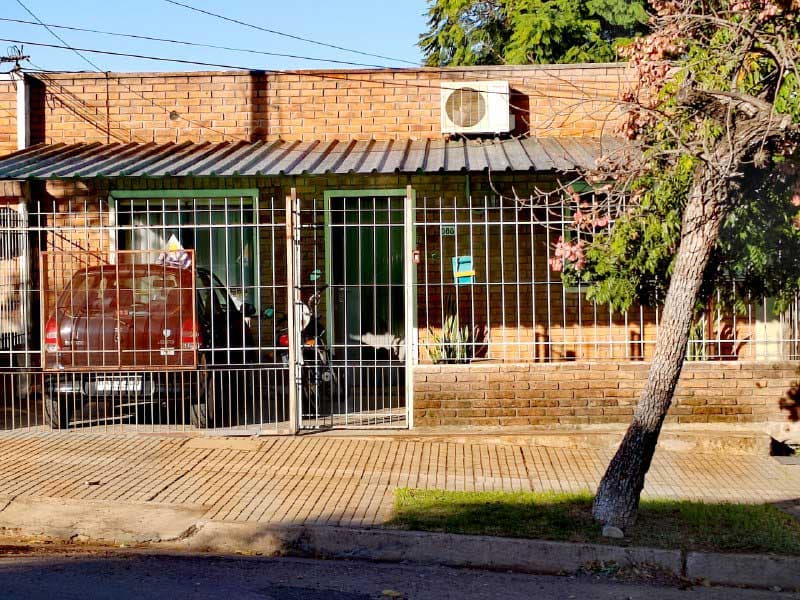 The house in Uruguay where Juan José Santana Trinidad lived for 18 years after fleeing Bolivia.
The Pontifical Commission for the Protection of Minors concluded its Autumn Plenary Assembly in Krakow on Friday, marking five days of dialogue, strategic planning, and reflection focused on advancing safeguarding within the Church.
Held from 29 September to 3 October, the gathering brought together Commission members, experts, and regional representatives to advance the body’s mandate as outlined in Praedicate Evangelium. This was the first Plenary Assembly held under the leadership of Archbishop Thibault Verny, appointed President earlier this year.
In his inaugural address, Archbishop Verny called for a renewed commitment to safeguarding as integral to the Church’s identity and mission. He outlined four strategic aims: fostering a universal safeguarding culture, developing a shared language through the Universal Guidelines Framework (UGF), strengthening regional networks through the Annual Report, and deepening dialogue with civil institutions.
Acknowledging both progress made and systemic gaps that persist, Archbishop Verny highlighted listening to victims and survivors, promoting transparency, and building accountable structures. He encouraged Commission members to act “with courage and compassion,” noting the urgency of unresolved safeguarding challenges and the global expectation for moral clarity and pastoral care from the Church.
A major focus of the Plenary was the Universal Guidelines Framework, which has been tested over the past year in pilot projects across four continents — in Zimbabwe, Tonga, Poland, and Costa Rica — and enriched by a synodal listening process.
Members reviewed the final draft of the Framework, which incorporates theological and canonical insights. The text will now be submitted to the Commission President for dialogue with relevant Dicasteries of the Roman Curia before being presented to the Holy Father.
The Commission reaffirmed its commitment to centring the voices of victims and survivors through enhanced protocols and formation in outreach. Discussions focused on “Conversional Justice,” a framework emphasising truth, justice, reparations, and institutional reform as essential elements of healing.
Victims and survivors continue to play a key role in shaping the Commission’s work, particularly in the upcoming Second Annual Report, which highlights their contributions and perspectives.
The Commission’s Second Annual Report on Church Policies and Procedures for Safeguarding (Reporting Year: 2024) will be released on 16 October in five languages. Continuing its exploration of Conversional Justice, the report focuses on reparations and introduces new external data sources to support transparency and accountability.
The Plenary also reviewed the Instrumentum Laboris for the Third Annual Report (Reporting Year: 2025), which will enter a synodal phase of dialogue and further data collection.
Members assessed progress on the Memorare Initiative, which aims to strengthen local safeguarding capacity and is closely aligned with both the UGF and Annual Report.
Seventeen active projects are underway across the Americas (10), Africa (6), and Asia (1), contributing to a global ecosystem of safeguarding.
The Assembly concluded with a meeting with members of the Polish Bishops’ Conference, reinforcing the Commission’s commitment to accompany local Churches in their safeguarding efforts.
Reflecting on the decision to hold the Plenary in Poland, Archbishop Verny highlighted the importance of listening to victims and survivors and engaging local communities:
“It is about listening, walking humbly with victims. It is through and by the victims/survivors that we journey and discern. The Church is not separate from society—it walks with society; it is embedded in society. This culture of safeguarding must be lived in dialogue with society, learning from it in terms of foresight and protection.”
Archbishop Verny also stressed the importance of mutual learning across regions, noting that safeguarding advances in some parts of the Global South provides valuable lessons for other contexts:
“We must not assume that we are safe from the risk of further abuse happening because we have published policies and set up offices. Safeguarding complacency, safeguarding fatigue is setting in, and this is a major risk factor in bad decisions being made. We must continue to learn from one another and never oppose one another. Subsidiarity and fraternal collaboration with episcopal conferences and religious congregations are key.”
(2025.9.29 Crux Editor John L. Allen Jr.)
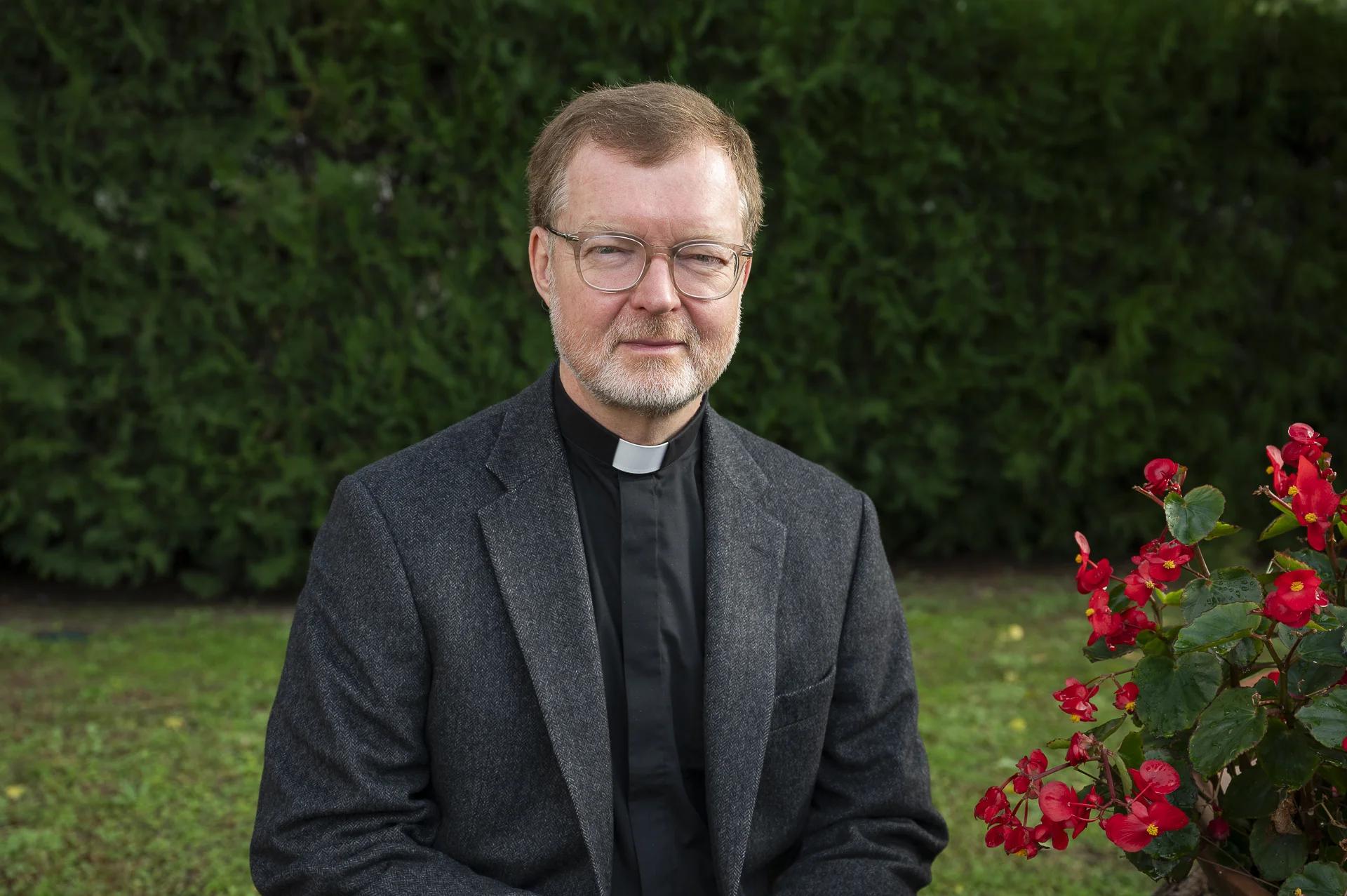
(写真は、イエズス会のハンス・ゾルナー神父=クレジット:IADC)
ローマ発―カトリック教会における性的虐待対策の第一人者であるイエズス会のハンス・ゾルナー神父が28日、電子メールによるCruxのインタビューに応じ、教皇レオ14世が最近の『Crux』のインタビューで示した姿勢は、教会の虐待スキャンダルへの包括的対応を特徴づける「誠実さ」を反映している、と評価した。
ゾルナー神父は、教皇庁立グレゴリアン大学の「人類学研究所―人間の尊厳とケアに関する学際的研究」所長。2014年から2023年までバチカンの未成年者保護委員会の創設メンバーとして活動し、現在も聖職者省の諮問委員およびローマ教区保護委員会のメンバーだ。
インタビューでゾルナー神父は、教皇レオ14世について、「非常に誠実な人物であり、虐待危機の全容を認識しているだけでなく、あらゆる形態の虐待が適切かつ専門的、差別化された方法で調査・対処され、効果的に防止されるよう全力を尽くしている」と指摘。
特に、教皇が『Crux』のインタビューで「キリスト教の道徳的教えに則りながら、罰と償い、懺悔と赦しを対立させずに加害者に対処する方法」という問題を提起したことにも注目した。教皇はまた、教会内虐待被害者への「真摯で深い共感と慈愛」を求め、「教会関係者は被害者支援の最善策を決定する際に専門家の助力を必要とする可能性がある」と述べるとともに、虚偽の告発の危険性にも警鐘を鳴らし、「教会は被疑者の適正手続き上の権利を保護しなければならない」とした。 また、「教会が虐待スキャンダルに完全に飲み込まれてはならない… それは、教会が果たすべき使命という観点から世界が求めるものに対する真の対応とは言えないからだ」とも語っている。
ゾルナー神父は、長年にわたって虐待被害者保護に取り組んできた専門家たちが、「教皇の発言によって、自分たちのこれまでの活動が肯定的に評価されたと感じている」と述べた。
教皇が言及した「虚偽の告発問題」については「教会関係者がこの話題に触れると、一部の被害者が嫌悪感を抱く理由は理解できるが、それでも教皇がこのように指摘されたのは、正しい」とし、「過去には、被害者が痛ましい経験をしているにもかかわらず、自分たちの権利が全く考慮されない一方で、被疑者の権利が全てを優先されるケースがあまりにも多いことを学んだ。被疑者の権利が議論される際、この経験と教訓が被害者に苦痛をもたらすことが多い」としつつ、「今日では状況が変わった… 幾つかの後退はあったものの、性的虐待事件を調査し対処するために教会が講じた多くの措置は、教会が過去の行動を改め、被害者を認め、彼らに正義をもたらすことに真剣であることを繰り返し示してきた」と語った。
そして「この意味で議論は継続しており、今や被害者と被告人の権利が互いにどう関わり、どう均衡させるかをより深く考察することが可能かつ必要となっている」と述べ、「教皇が言われるように、教会は虐待問題に過度に集中して他の優先事項を軽視することがあってはならない」と指摘した。
さらに、「『過剰』と『不足』の危険は常に存在する… もちろん、教会は虐待問題に対処する場以上の存在だが、虐待問題への対応は、教会にとって単なる”周辺的な課題”以上の意味を持つ」と強調した。
・・・・・・・・・・・・・・・・・・・
インタビューの一問一答は次の通り。
Crux問:全体として、教皇レオ14世がCruxとのインタビューで性的虐待危機について語った内容をどのように受け止めたか?
ゾルナー答:率直に言って、グレゴリアン大学のIADC(国際虐待防止センター)のチームと私は、自分たちの取り組みが肯定的に評価されたと感じている。教皇の最近の発言は、私たちが長年取り組んできた問題に言及している。それらは一般社会や専門家の間では全く議論されていないか、ごく表面的にしか扱われていないか、あるいはさらなる精緻化が必要な問題だ。
例えば、虐待やその原因などとの「単なる」闘いを超えた、保護活動の積極的な正当化をどうするか、福音とカトリック社会教説に沿い、脅威や不必要な負担なしに人間の総合的な発達を促進する手段としての保護活動の積極的で動機づけとなる基盤をどうするか、などだ。キリスト教の道徳的教えに合致した形で加害者に対処する方法、罰・償い・悔い改め・赦しを互いに相対化させずに扱う方法も、課題に含まれる。
問:教皇は、「何よりもまず、教会が人々が耐えてきた痛みや苦しみに、真摯で深い感受性と共感を示す必要がある」と語っている。今日の被害者の大半が実際に教会関係者から、そのような対応を受けていると考えるか?
答:普遍的な教会全体を見渡すと、この問いに明確かつ決定的に答えるのは難しい。これは大陸ごとに異なる各地方教会間の差異だけでなく、個々の地方教会内部の差異にも起因する。差異は被害者への感受性や思いやりの度合いだけでなく、その感受性や思いやりの質にも及ぶ。この「質」とは、単に意識の高低やそれに伴う同情・思いやりの意思の問題ではない。
それ以上に、私たちは文化的影響を受けた感受性と思いやりが表現され実現される形態をより良く理解し分類し、それらを相乗的に結びつけるという実践的・科学的課題に直面している。教皇が感受性と思いやりの問題に取り組むよう呼びかけた点が、まさにこの点において非常に強い主張となっている。
問:教皇はこう述べている—「おそらく私たちの多くは、被害を受けた人々が苦しむ中で最善の伴走方法を学ぶ初心者でしょう。専門家の助けを借り、被害者を支え続ける必要がある分野の一つだと考えます」と。あなたは専門家の一人として、この発言に励まされたか?
答:この発言は私たち全員にとって非常に励みになる、前向きな発言だ。専門的に主に保護活動に携わる者だけでなく、ボランティアとして、あるいは聖職者・奉献生活者・教会の責任分野で働く者として、保護の理念に基づいて自らの仕事を新たな方向へ向けようとする者にとってもそうだ。
学び、それによって成長する必要性を指摘することで、教皇は大きなプレッシャーを取り除いている。そのプレッシャーとは、「完璧でなければならない」という思い込みに他ならない。特に虐待問題において、このプレッシャーは逆効果で、行動を阻害する。被害者の苦しみと教会の長年にわたる対応の失敗を考えれば、この問題に取り組むこと自体が重荷に感じられるのだ。
誰も「過ちを犯したい」とは思わない。誰もが「最善を尽くし、真摯な献身を示そう」とするが、失敗は日常の一部だと気づく。人間の限界を考えれば、失敗はほぼ避けられない。重要なのは、保護活動を含む過ちや失敗から学び、新たに始め、善へと一歩一歩進む決意を持ち続けることだ。これら全ては、性的暴力の被害者が必要とするもの、彼らの権利と信徒共同体の中心における彼らの立場のためにある。
問:教皇は、虚偽の告発の可能性について警告し、「被疑者の適正な手続きの権利が守られねばならない」と述べ、「時にそれ自体が被害者にとってより大きな苦痛の原因となる」とされた。実際のところ、被害者にとって被告人の権利保護について語ることが苦痛となるケースは多いのか?
答:まず、性的暴力の被害者は自分自身の利益、権利、主張だけを考える権利を当然、持っているということを確認したい。彼らは、被告人の権利やその権利が守られているかどうかを気にする必要はない。それは教会法廷など他の者の責任だ。また、被告人の権利保護を担う者たちは、被害者から「被害者を犠牲にして、被告人の権利保護をすることはない」と信頼されねばならない。これこそが過去の最大の問題の一つだった。
被害者は痛ましい経験を通じて、「あまりにも頻繁に自らの権利が全く考慮されず、被告人の権利だけが全てを支配すること」を知った。この経験と教訓こそが、被告人の権利が議論される際に、被害者に苦痛をもたらす原因となるのだ。
古い有害なパターンが再び根付くのではないか、という懸念は理解できる。この文脈において、教皇の発言は特に重要だ。彼は被疑者の権利について語っているが、被害者を無視することなく、彼らの感情状態や正当な要求に言及し、その痛みを言葉にしている。
問:被疑者の権利への注目が不十分だった、という見方に同意するか?
答:その質問に答える前に、改めて一つのことを確認せねばならない。教会内の責任ある立場にある者たちは、これまで余りにも長く、余りにも頻繁に、加害者と教会の名声を守ることだけに関心を寄せてきた。性的暴力の被害者は事実上無視され、その苦しみは軽視され、権利は軽んじられ、声は封じられてきたのだ。
教会がこの失敗に気づいた時、性暴力の被害者が注目の的となるのは必然だった。そうでなければ説明が困難であり、長年行われてきたこと、つまり教会が他の手段を用いて結局は加害者の側に立ち、被害者の権利を守らない試み—と解釈されていただろう。
幾つかの挫折はあったものの、性的虐待事件を調査し対処するために教会が講じた多くの措置は、教会が過去の行動を改め、被害者を認め、彼らに正義をもたらすことに真剣であることを繰り返し示してきた。この意味で議論は継続しており、今や被害者と被疑者の権利が互いにどう関わり、どう均衡させるべきかをより深く考察することが可能かつ必要となっている。
これは、適正な手続きを経て有罪判決を受けた被告が、有罪が確定したケースにも当てはまる。有罪判決と刑期を終えた後の加害者への対応、そしてこの文脈でどの標準化された手続きが適切かという問題は、世界のほとんどの市民社会と同様、依然としてほとんど解決されていない。
問:教皇はまたこう述べている。「教会全体がこの問題だけに集中させるわけにはいかない。それは、教会が使命として世界から求められていることへの真の応答とは言えないからだ」と。教会の使命における他の優先事項を犠牲にして、性的虐待問題に過度に焦点が当てられる危険性があると思うか?
答:過剰と不足の危険は常に存在する。もちろん教会は単なる虐待問題の処理場ではないが、虐待問題は教会にとって単なる”周辺課題”ではない。これは福音のメッセージにおける核心的焦点の一つだ。傷ついた者、弱い者、脆弱な者、虐待された者、周縁化された者への配慮という重大な課題であり、イエス・キリストが伝え実践したものである。
では、教皇が示唆する「偏り」をどう回避するか?結局のところ、虐待問題を教会の全体的な生活、その省察と行動の枠組みに適切に統合することだ。これはまさに私たちがIADCにおける学術的・教育的活動で長年取り組んできたことだ。
私たちの主張の核心は、脆弱な状況にある人々の安全への配慮としての「セーフガード」は虐待を経験した者、あるいは虐待の危険に晒されている者すべてに対するものであり、人間の全人的な発展への貢献である、ということだ。それは教会の使命の一部であり、性的暴力の被害者が当然に受けるべき権利である。
性的虐待被害者に対するセーフガードには、二つの解釈の前提がある。
第一に、虐待の教育・対応・予防のためには、被害者間の個体差を顧みず可能な限り、すべての人間が神の子供として与えられた可能性をさらに発展させることが必要である。それは将来への展望と、自己の成長及び自らの人生を形成する主体性へのアプローチを意味する。
第二に、性的暴力の影響を受けた人々と共に、そして彼らのために安全を守ることは、教会が一般の人々に対して行う基本的行動と奉仕の模範である。あらゆる人間は本質的に脆弱であり、たとえその脆弱性が誰にも悪用されない幸運な立場にあっても、この脆弱性に対処する方法を学ばねばならない。
これら二つの解釈的前提から、以下の結論を導く:
第一に、性的虐待問題への孤立した焦点は、教会生活の表現における不均衡を招くだけでなく、保護活動に根ざした相乗効果の喪失にもつながる。性的虐待に関する議論は出発点に達したものの、終着点には至っていない。
第二に、内容面から安全確保を通じて発展させる相乗効果の可能性には、構造的な対応が必要だ。具体的には、性的暴力事例に限定して安全確保を扱う担当のポストや委員会、作業部会などの構造は、孤立した結果を生む。それらは常に、教会の「真の」活動や使命とは別の「特例」として現れる。
保護対策の成果をネットワーク化し、統合的に実現し、虐待現象への関心を教会の使命の重要な一部と捉えるなら、前述の人事・構造は、より広範な統合的制度枠組みに組み込まれる必要がある。これは解釈の基調を定め、ネットワーク化と連結のための制度的機会を提供する。保護対策の場合、これは保護対策が統合される制度的枠組みが、キリスト教的人間学に基づく「人間全体の総合的発展」という積極的なテーマによって特徴づけられることを意味する。
問:これまでの教皇レオ14世の性的虐待危機への対応をどう評価するか?
答:安全確保の分野では、一つの基準が極めて重要だ。それは「真正性」である。言い換えれば、「言葉と行動の一致」であり、これが信頼と献身の基盤となる。これ無しには、安全確保の中核である安全な空間・構造・関係性を構築するいかなる努力も実を結ばない。レオ14世がアウグスチノ会の総長であった頃、そして後にペルーの司教として、私は彼が非常に誠実な人物であることを知る機会があった、虐待問題の全容を認識しているだけでなく、あらゆる形態の虐待が適切かつ専門的、差別化された方法で調査・対処され、効果的に防止されるよう全力を尽くしてこられた。
今回の合意について、被害者弁護団は、「被害者たちの『ノー』の力が大司教区を動かし、大幅な増額を実現した」とし、大司教区は声明で、改定和解案を「全ての申し立て生存者の利益となる重要な前進」と述べた。。
被害者は10月下旬までに和解案の承認可否について投票し、3分の2が承認が得られれば、来年にも支払いが開始される。被害者弁護団のブラッド・ナップ弁護士は、「現時点で、この和解案に反対する虐待被害者側の弁護士は一人もいない。弁護団の全員が支持している以上、否決される可能性は極めて低いと思う」と語っている。
非営利団体BishopAccountability.orgのテレンス・マッキアナン代表によれば、大司教区の破産手続きは、性的虐待に関連する米国で進行中のカトリック教会破産事件十数件の中でも、最も長い年月を要しているものの一つ。米連邦裁判所で破産手続きを監督するメレディス・グラビル判事は、「この和解案が承認されない場合、事件を却下する」と警告している。
無担保債権者公式委員会が公表した書簡によれば、破産和解が失敗した場合、被害者は新たな訴訟を通じて虐待被害の賠償を求める必要が生じ、裁判で決着するまでにさらに数年を要する可能性がある。また、大司教区が支払いを遅らせるために再び破産を申請する可能性も出て来ることになる。同委員会は破産事件における虐待被害者の利益を代表し、被害者に和解案の受け入れを促し、個別の虐待被害訴訟を裁判所に持ち込むことは、「攻撃的で敵対的な」大司教区との困難な対立を招き、被害者やその友人・家族が厳しい証言録取や長年の控訴手続きに巻き込まれ、被害者の「精神的・心理的苦痛」を悪化させる可能性が高い、と警告している。
「多くの被害者は、この問題を解決する準備ができている」と、数十人の被害者を代理する弁護士クリスティ・シューベルトは述べた。「多くの被
害者は今すぐ一定の金銭を受け取りたいと考えている」と言うが、被害者の一人、ケビン・ブルジョワ氏は、「金銭的補償には限界があります。被害者が人生を再構築するために残りの生涯を費やす必要を考慮すれば、真に公平と言える金額など存在しない」と語る。
ニューオーリンズ出身の彼は聖職者による性的虐待を受け、2020年以前に私的和解を成立させていた。彼は、教区による破産手続きが、「人々を疲れさせ」、虐待を助長した実態を公に隠蔽する手段となっている」とも指摘した。
5月に大司教区が提示した和解案では、「大司教区が外部専門家を招き児童保護プログラムを評価させ、改善策を提言すること」を義務付けている。また大司教区は、「虐待関連文書を保管する施設を設けること」や「被害者が大司教と経験を共有できる公開フォーラムの開催」などを約束する内容になっていた。
ニューオーリンズのグレゴリー・M・エイモンド大司教は8日の声明で「虐待被害者の利益となる形でこの破産手続きを完結させることに、私は強い希望と決意を抱いています… 毎日、虐待被害者のために祈っていること、そして彼らと会い、話を聞く機会を心待ちにしていることを知ってほしい…」と述べている。
エイモンド大司教は、数十年にわたり司祭に対する告発に対処しなかった教会の失敗をめぐり、辞任を求める被害者たちの声に抵抗してきた。
この司教は、ムバイキ教区のイエス・ルイ・モリーナ司教。声明で司教は、アラン・レ・パトリック・モコパメ神父から出された告発を「噂、不正確な情報、歪曲された解釈」にるものであり、「事実関係を明確にする必要を感じた」と述べた。
モコバメ師は、司教が教区の司祭による性的虐待事件に対して、沈黙を保ち、事実上”共謀”したとして告発していた。告発は、モコパメ神父が7月13日に司教総代理のポストを解任された直後に発表されたが、これが教区内で、モリ―ナ司教に対する幅広い抗議を引き起こし、一部のカトリック信者が聖体祭の式典中に鍋を鳴らして抗議デモを行った。司教の住居への不法侵入も発生している。
モリーナ司教は声明で、こうした抗議行動を非常に強い言葉で非難。「鍋を使ったデモや司教の住居への無断侵入は、教会精神にも、私たち全員が呼びかけられている”シノドスの道”にも反する」とし、教会は「対立の場でも政治の舞台でもない」と述べた。
また、モコバネ師を司教総代理ポストから外したことについては、「この人事は司教の専権事項であり、対立ではなく共働の精神で行うもの… 総代理は、司教が自由に選択して協力を求める司祭。司教のライバルではない」と語った。
性的虐待の告発
司教が隠ぺいしたとされる教区司祭による性的虐待については、匿名での小児性愛の告発がもとになっているが、司教は声明で「これは虚偽。私は、カトリック教会と共に、いかなる形態の性的虐待にも断固として反対し、これらの行為を常に明確かつ厳格に非難してきたことを宣言する」とする一方、告発を受けた後になって「被害者を支援するための措置が講じられた」と弁明。
「モコパメ神父に180ドルを渡し、被害者が婦人科医の診察を受けるための費用に充てられたが、医師の診断では、暴力行為の物理的証拠は見つからなかったと結論付けられている。また、被害者と加害者とされている神父の両方に心理士が派遣された」と述べた。
また、声明で、「中央アフリカ司教会議が任命した公式の調査官が率いる公式な教会法に基づく調査が、当時、未成年者保護委員会の長だったモコパメ神父による初期調査と並行して行われ、その後、場士官の教理省に付託された。だが、教理省は2023年4月、関与した人物が未成年者ではなかったため、管轄外と判断した」。これと前後して、「2023年1月16日に、教区がこの件を自国の司法当局に通知し、教区が提供した教会の記録を基に独立した調査が開始された」と説明。
モコパメ師は、「司教が加害者とされる司祭の出国を助けた」と非難していたが、司教はこれを否定。「(出国の)決定は、弁護士から『入国と出国は自由にできる』と通知を受けた後、被告の司祭自身が下したもの。私はこの件について相談を受けておらず、承認もしていない」と述べた。
司教はさらに声明で、加害者とされている司祭が福音宣教省に対し、「司教が民事当局に事件を不適切に伝えたとして告発した」ことを明らかにするとともに、同司祭に「真摯な対話」を呼びかけ、「全員が真摯に共感を再建する決意がある限り、和解と対話への準備は継続する」とした。
最後に、司教は、教区の教会共同体コミュニティに対して、祈りで団結し、平和のために働くよう求め、「主が私たちの過ちと、私たちを傷つけた者の過ちを赦されますように… 全員が役割を果たせば、平和は可能になります」としている。
聖職者による性的虐待のスキャンダルは、2002年に米国の有力紙、ボストン・グローブが発表した虐待に関する報告で、初めて大々的に明るみに出され、世界中で聖職者の性的虐待が表面化。いまだに性的虐待と高位聖職者による隠ぺいに対する訴えが後を絶たないが、今回の中央アフリカの問題も、カトリック教会における虐待と隠蔽の”普遍的な性質”を浮き彫りにしている。
(翻訳・編集「カトリック・あい」南條俊二)
(2025.7.23 カトリック・あい)
現在東京在住のカトリックの女性信徒が、会員司祭(当時)から繰り返し性的暴行を受けたとして、所属修道会の神言会日本管区に対して損害賠償を求める裁判の10回目が23日午前11時から、東京地方裁判所第615号法廷で開かれた。
前回裁判で原告代理人弁護士は準備書面で、被告・神言会から入手した報告書をもとに10項目以上にわたる性的暴行を働いたとされる会員司祭の行為に関する同修道会の不法行為を指摘していた。
23日の裁判には、被告代理人弁護士が、準備書面で、指摘された10項目以上のものは、全て「不法行為には当たらない」とした。
この中で、原告側が、当該司祭を出国させたのは、「追及を逃れさせるため」と指摘したのに対しては、「そのような意図はない」と否定。同修道会がその際に、当該司祭に100万円を渡し、逃亡を助けた、との指摘には、「あくまで生活資金」であり、指摘された行為には当たらない、などと答えた。
また裁判長から、被告代理人弁護士に対して、当該司祭が、女性に性的暴行を繰り返したとされるのは長崎教区の西町教会の主任司祭で、その後、東京教区に移り、さらに名古屋教区に移ったとされているが、修道会日本管区と日本のカトリック教会の教区などの組織上の関係を、次回裁判までに、明確に整理して説明するように、と”お願い“がなされた。
裁判を傍聴していた約30人の一人の司祭は、当該司祭の卑劣な行為、それをかばおうとする神言会の姿勢に、「どうしてこのようなことになるのか、同じ聖職者として理解できない。修道会も人を選んで司祭に叙階しているはずだが・・ そのような体制が機能していないように思われる」と強い疑問を呈していた。
次回の裁判は10月1日午後4時から615法廷、次々回は12月1日午後3時から606法廷で開催の予定。判決の前提となる証人尋問は来年1月の見通しだが、原告の田中時枝さんが初回から毎回出廷しているのに対し、代理人弁護士にまかせきりで、まだ一度も出廷していない神言会の日本管区長、当該・元司祭がどうするのか、今から注目される。
同国のカトリック信徒、ルイス・フェルナンド・フィガリが設立した信徒団体「 Sodalitium Christianae Vitae (SCV)」は今年初め、教皇フランシスコが亡くなる直前に、活動停止処分を受けた。バチカンで性的虐待問題を担当する教理省のシクルナ大司教による徹底した現地調査の結果をもとに、この信徒団体の本部と支部全ての活動を停止させるという異例の決定だった。各支部で発覚した虐待の中には、会員の身体的、心理的、精神的、さらには性的虐待も含まれており、その中には未成年者として虐待を受けた者も含まれていた。
また、ペルーのピウラ州カタカオスでは、SCVのメンバーが所有または管理する企業が、農民グループに対して、土地買収の圧力をかけ、脅迫や司法面からの嫌がらせで農民を強制的に土地から追い出そうとしてきた。農民グループは、10年以上にわたって、複数のSCV関係企業による虚偽の申し立てや、暴力の行使で、自分たちの土地から追い出そうとする執拗な試みと闘ってきた。現在、SCV関係企業から少なくとも30~40の虚偽の刑事告訴を受け、「ペルー全国人権コーディネーター(CNDDHH)」が代理人として農民グループを司法面から支援。
そうした中で、ピウラ州第4刑事裁判所は6月、SCVとつながりのあるConstructora Keheda社による土地簒奪の申し立てを却下する判決を下した。CNDDHHによると、この告発は2015年まで遡り、同社はカタカオス農民から先祖代々の共有地を奪い取ろうと、共有地取得記録を改ざんして公的登記所(Sunarp)に提出し、農産物輸出目的で開発しようとする営利企業に土地を売却したとされている。裁判所は判決の中で、カタカオス農民共同体が1980年代にさかのぼる権利証を持っていること、コンストラクタ・ケヘダが提出した証人は間接的で根拠のない証言をしていることを認めた。
農民たちは、カタカオス地区の土地はすべて400年ほど前の先祖のものであり、したがって財産の譲渡は集会で過半数の承認を得なければならない、と主張。とりわけ農民たちは、「何年も土地を奪われ続け、土地を取り戻そうとすると、銃撃を含む暴力に遭い、「夫がSCVが運営する会社に雇われた犯罪組織に殺された」と主張する女性もいる。
CNDDHHは判決を受けた声明で、この裁判所の判断を 「農民コミュニティから土地を奪おうとする企業が推進する犯罪化に、裁判所が正当に対する先例となるもの 」と評価した。
だが、カタカオス農民たちは、この判決を評価する一方で、、SCV支部の元メンバーたちは、自分たちの裁判の進展の遅さや、教会組織や個人からのコミュニケーション不足に不満を漏らしている。四つのSCV支部の元会員で構成する「真実・正義・公正な賠償を求める会(AVJR)」は、SCVの清算手続きが遅々として進まないことを嘆き、被害者に対する賠償が迅速に行われるよう教皇レオ14世に求める声明を発表。「当協会は、被害者、生存者、その他当協会の使命に献身する人々を代表する当協会の活動の枠組みの中で、教会当局との当協会の調整の現状について、一般の人々に知らせることが必要であると考えている」と述べた。
AVJRでは、生前の教皇フランシスコやバチカンの担当当局代表などに、SCVの活動停止処分後、「被害者支援のプロセス、プロセスの終結、カトリック教会との行動の調整について知らせてほしい 」と要請してきたが、「今日に至るまで、バチカンのどの部署からも、回答を受けていない」という。
AVJRの関係者は、教皇フランシスコの死去と教皇レオ14世の就任という大きな動きの中で、教会としての具体的対応が遅れてるのを認めながら、「多くの人々が実際にSCVのメンバーから性的虐待やその他の被害を受けていること、訴えが無視され続けてきたことなどの現実を真剣に受け止めてもらいたい。バチカンはSCVの非道な行為を認め、活動を停止させたが、被害者たちへの賠償、心の癒しなどを目に見える形で示していない」と批判。
「SCVの活動停止処分に踏み切られた教皇フランシスコと、その後継者であるレオ14世が約束された被害者に対するケアを実践するためには、そのプロセス、責任者、そして行動、期限、手続きについてできるだけ多くの人に知らせることが前提となる 」と主張している。

*「カトリック・あい」注*Pontifical Commission for the Protection of Minorsの日本語訳として、日本の教会では”minors”を「未成年」に限定するような訳を使うことがあるようですが、つまり、「子供に対する性的虐待は絶対にいけないが、大人に対しては・・」と言うように誤解する向きもあり、それが日本の司教団の対応の甘さにもつながっているようにも思われます。”minors”は未成年者とともに「社会で弱い立場に置かれている人、身体的あるいは精神的に弱い成人」も意味して使われることが多い。オマリー前委員長も「子供たち、弱い立場にある成人・・・」と言われています。「カトリック・あい」では、今後もこのような日本語訳を使用し、”誤解”が司教団の今後の対応に影響しないようにいたします。
