・「中国との暫定合意は私が署名、司教任命は近い将来、教皇の”専管事項”に」‐教皇が機中会見で

(2018.9.27 「カトリック・あい」)

教皇フランシスコは25日、バルト三国訪問を終えて帰国する機内で記者会見し、中国との暫定合意をはじめ、聖職者による性的虐待問題などについて質問に応えた。

(2018.9.26 VaticanNews  Alessandro De Carolis)

中国との暫定合意についての教皇の見解が、機中会見で記者団が最も関心の高いテーマだったが、教皇は、このほかに、訪問されたバルト三国のアイデンティティの守り、軍備への批判、そして聖職者による性的虐待についても答え、特に聖職者の性的虐待については「まったく醜いとしか言いようがない」と改めて慨嘆した。

 機中会見で、教皇は、今回の訪問先となったバルト三国について、もっと質問をしてくれるように促した。現地の記者団の質問に対する答えでは、ご自身の考えが十分に表現できていないと考えたからだ。リトアニア、ラトビア、エストニアの「三姉妹」は、過去において大きな傷を負い、現在は西欧を向いているが、東欧にルーツを持ち、そして教皇の望む未来を希望をもって見ているのだ。

国のアイデンティティーを守るために、攻撃的でない”守りの集団”を

 それは、教皇フランシスコがモザイクを組み立てているようだった。まず、教皇は、三国訪問中に毎日、実際に言われていたように、バルト三国のそれぞれのアイデンティティー-侵略者たちによって、余りにもしばしば踏みつけにされてきたもの-を持ち続けるように、と強調した。そして、国もアイデンティティーは、過去には、独裁者に対する盾として使った人々によって守られたが、今日では、文化、信仰、芸術の伝統すべてを若者たちに伝える義務を負った年配者たちが守っている、と語った。
 関連して、暴力と武器取引による犠牲者に捧げられたビルニウスの博物館にある拷問室を見学した時のことを思い起こし、「自分の国を守ることは”法に適ったこと”であり、大切なこと」としつつ、「国家は、道理をわきまえ、攻撃的でない、defensive army(守りの集団、軍)を心掛けるべきです」と強調した。また、バルトの国々もその出入りに関わっている移民問題について、「忍耐」の原則を指摘し、新たに選ばれた国の指導者たちが「歓迎」の価値をどの様に認識しているかについて言及した。

中国との暫定合意ー合意には常に苦痛が伴うが、中国の信徒は教皇を支持

 先日発表されたバチカンと中国の司教任命に関する暫定合意に関しては、様々な批判の声が出ており、「バチカンは教会を中国に『売り渡そうとしている』のだ」という非難もある。これについて教皇は、暫定合意は「私自身が署名しました。私にその責任があります」と語り、「何年もの間、隠れるように」して生きてきた人々、今回の合意の重要性を理解しない人々のために、祈るよう求めた。
 また、これまで中国との交渉に当たってきたパロリン国務長官など担当者の「忍耐」と「知恵」を称え、教皇の承認を得ずに司教になっていた人々を(司教として追認できるかどうかの)評価は教皇自身が行ったこと、さらに、(中国における)司教の任命は、それほど遠くない将来に、教皇の exclusive concern(専管事項)となるだろう、との見方を示した。
 さらに、教皇は、長い間、試練の中を生きてきた中国のカトリック信徒たちの「偉大な信仰」を称えるとともに、「合意というものには常に苦痛が伴います」と述べ、あるバチカン外交官の有名な言葉が、多くの司教たちに教皇との親密さを示すようにさせた、という逸話を引き合いに出して、中国の信徒たちも、伝統的な教会であるなしにかかわらず、自分たちの教皇への連帯を示す書簡に署名(サイン)したことを明らかにし、「それは、私にとっての印(サイン)でした」と語った。

性的虐待は、どうしようもなく醜いが、今の基準で測るべきでないことも

 聖職者の性的虐待について、記者から、訪問中にエストニアで教皇が若者たちに語られたことに関連した質問がされたが、教皇は「それが、たとえ、たった1人の司祭がそのような犯罪を犯したとしても、『とてつもなく醜い』ことです」としたうえで、「性的虐待はどこにでも起こり得ますが、教会で起こった場合、『子供たちを神のところに届ける』べき責務を負った司祭によるものだけに、(一般社会の場合よりも)ずっと悪い」と述べた。ただ、私たちは過去の世代とは異なった感覚を持っており、今の正義の基準や”解釈学的”な尺度で、過去のことを測る過ちを犯すべきではない、とも指摘。こうした犯罪は「隠ぺい」されたが、「教会はそれを知るようになった時」(適切に)対応した、と述べた。(「カトリック・あい」が翻訳・編集)

2018年9月27日

・教皇が中国のカトリック信徒に声明を発表-「信仰が歴史を変える」(概要と全文)

(2018.9.27「カトリック・あい」)

 バチカンと中国政府が司教任命について暫定合意したことに対して、中国国内の”地下教会”を中心とした信徒たちに不安の声が出ているが、教皇フランシスコは26日、中国と全世界のカトリック教徒に向けた声明を発表。暫定合意書に署名した理由を「福音の宣教を促進し、中国におけるカトリック教会共同体の一致を確立するため」と、その意義を理解してくれるよう求めた。VaticanNewsが伝えた声明の概要英語版は以下の通り。

(2018.9.26 VaticanNews)

疑問や困惑が起きているのは承知、一方で期待も広がる

 教皇がローマ現地時間26日朝発表した声明は、中国のカトリック信徒たちを励ます言葉で始まっている-ご自分の祈りの中に毎日、彼らのことを思い浮かべている、前任のベネディクト16世も中国の信徒たちに宛てた書簡の中で引用しているイエスの言葉、「小さな群れよ、恐れるな」(ルカ福音書12章32節)を思い起こしている、と。

 そして、教皇はすぐに問題の核心に触れる。「最近、中国のカトリック教会共同体の現在と特に将来について、たくさんの情報が出回りました。様々な考えや意見の噴出は、多くの方の心に困惑と様々に違った反応を起こしたことは、私も知っています。中には、疑いを持ったり、困惑された方もおられ、教皇から捨てられた、とお感じになったり、ペトロの後継者に忠誠を誓い、苦難に耐えてきたことに価値があったのか、と疑問を持たれた方もおられます。他の多くの方々の間には、中国における信仰の豊かな証しに向けた平安な未来の希望に励まされ、前向きな期待が広がっています」。そして、教皇は、司教任命に関する暫定合意によって「より重大な局面にになっている」のが今の状況、と述べた。

福音の証人、中国のカトリック信徒たちに敬意

 また、教皇は、中国の全カトリック教会が、逆境と困難な中にあっても示した「神への忠誠、様々な試練の中で意志を貫いた堅固さ、神の摂理への揺るがない信頼」に心からの敬意を表明した。そして「そのような」苦難に満ちた経験が「中国における教会の、そして、この地上の神の巡礼者すべての霊的な宝の一部となっている」とし、「私たちの厳しい試練を通して、主は必ず私たちに慰めを注ぎ、さらに大きな喜びを私たちに用意してくださいます」と述べ、信徒たちに「自らの命を犠牲にしても、福音の『よき証人』(1テモテへの手紙1章13節参照)となる用意のある全ての信徒、司牧者の模範に注意を向ける」よう、強く促された。「彼らは自分たちが神の真の友であることを示したのです!」と。

ヨハネ・パウロ2世が始め、ベネディクト16世が進展させた対話

 そして、今回の暫定合意が、聖ヨハネ・パウロによって始められ、ベネディクト16世によって続けられた、バチカンと中国当局との長く、込み入った制度上の対話の成果、としたうえで、聖座が、カトリック教会の具体的な霊的、司牧的な目的を達成すること、特に、中国における福音宣教を支え、前進させ、カトリック教会共同体の完全な、目に見える一致を取り戻し、維持することに、強い希望を抱き続けてきた、と強調した。

確信をもっての出発だが、先の道は見えない

 さらに、「新しい段階で、私たちが求められている旅路」について、ベネディクト16世の「時間が必要であり、双方の善意が前提となる」という言葉を引用した。そして、創世記に登場するアブラハムを例に挙げ、「彼は神に呼ばれ… 彼が資産として受け継ぐ未知の地へ旅立つことで神に従いました。進むべき道も知らないまま。彼がいた場所を離れるに当たって、理想的な社会的、政治的な条件を要求したら、彼はおそらく旅立つことはなかったでしょう。彼はそうする代わりに、神を信頼し、神の言葉に応えて、住み慣れた家と安全な暮らしを捨てました。彼が神を信頼するようにさせたのは、歴史的な変化ではなく、歴史に変化をもたらしたのが、彼の純粋な信仰だったのです」と説明。ペトロの後継者としての立場を思い起こして、「私は、あなた方の信仰を確かなものとし、歴史の主と、主のご意志の教会による識別に信頼するように、あなた方にお願いします」と強く希望した。


司教の任命について-一人ひとりについて慎重に調べ、省察と祈りに時間をかけて、決断

 また、今回の暫定合意の対象となった司教任命について触れ、「何をおいても、司教の任命の問題を扱うことが必要でした」と述べ、「残念なことに、中国におけるカトリック教会の最近の歴史は、深く、苦痛に満ちた緊張、痛み、分裂に特徴づけられ、特に、信仰の正当性の守り手であり、教会のミサ聖祭の保証人としての司教の在り様が焦点となってきました。過去において、それは、カトリック教会共同体の内的生活を規定するものであり、国家の合法的な権能を超えて、直接制御する、中国の教会に起きた隠された出来事でした」。

 だが、教皇は「中国の信徒たちが、『世界の普遍教会とペトロの後継者と完全に一致して信仰生活を送ること』を心から強く希望していることを知って、とても慰められました」としたうえで、このことは、「弱さと過ちの結果として、そして頻繁でないにしても、外部からの強力で激しい圧力ゆえに、教会における一致を損なった」司教たちについてさえ言える、と語った。

 そして司教の任命に関して、「それぞれの個人的な状況を慎重に調べ、異なった見方に耳を傾けたうえで、中国における教会の真の善を願って、私は省察と祈りに多くの時間を捧げました」とし、「主のみ前で、清明な判断をもって、私の直近の教皇たちによって定められた方針との連続性を図りつつ、教皇の認可を得ずに叙階された”公式”司教のうち存命の7人に対して和解の措置をとり、彼らに課していた教会法上の制裁を解除し、完全なカトリック教会との一致を改めて認めることを決断しました。同時に、私は彼らに、聖座と、世界に広がる教会との一致を回復したことを具体的で目に見える振る舞いによって示し、いかなる困難に遭っても、信仰を守るように求めます」と強調した。

神は、道に迷った者を受け入れてくださる

 続いて、教皇は中国の信徒たちが「和解に向けて働く」ように促し、「慈しみの特別聖年 」に自身が語った「自らの過ちを認め、新たな人生を始めようとする息子を、神が、再度受け入れるのを、いかなる法律も,勧告も、妨げることはできない」という言葉を取り上げ、このような心で、「私たちは、過去に受けた傷を癒し、中国のすべてのカトリック信徒たちが完全な一致を取り戻すのを助ける、前例のない歩みを始めることが出来るのです」と訴えた。

 また、暫定合意は「教会活動の特定の側面に限定されており、改善の余地がある」が、それにもかかわらず、「中国におけるカトリック教会の歴史に新たな一章を記すことに寄与」することが出来る、と指摘。「初めて、この合意は、良き羊飼いのいるカトリック教会共同体が提供されるという希望の中に、中国当局とバチカンの協力の確固として要素となることを示しています」と述べ、この文脈において、「聖座は自身の役割を完全に演じようとしています」と言明した。

 また、同時に重要な役割を担うのは、中国の信徒であるあなた方、司教、司祭、男女聖職者、そして一般信徒;それは、教会内部で司教として求められる重要な職務を遂行できる能力をもった候補者をともに求めること。問題は、宗教行事を扱う役職者の任命のではなく、イエスのみ心に従う正当な羊飼いー神の民、特に貧しい人々、最も弱い人々に、心広く奉仕することを旨とする男性たちーを見つけること、と語った。

中国社会における信徒たちの役割ー正義と一人ひとりの尊厳のために声を上げる必要も

 中国社会における信徒たちの役割については、「市民生活と政治のレベルでは、中国の信徒たちは良き市民でなければなりません-自己の能力を最大限に使って、母国を愛し、勤勉と正直さをもって自分の国に奉仕するーことです。倫理のレベルでは、多くの仲間の市民が、自分たちに共通善と、全体として調和のとれた社会の成長のために奉仕することを求めているのを知る必要があります。特に、カトリック信徒は、神の国を信じることで生まれる預言的で建設的な貢献が求められます。時として、このことは、批判的な声ー反対のための反対ではなく、もっと正義が行われる、人間的で、一人ひとりの尊厳が重んじられるようにするための声ーを上げるように努めることも要求します。

司教、司祭、聖職者たちは福音宣教へ抵抗を乗り越えよ

 一方で、教皇は、司教、司祭、聖職者に対しては、「信徒たちをケアする」ために、「過去の争いと自身の利益を求める試みからの離脱」を成し遂げるよう求めた。そして「和解と一致のために謙虚に働く」こと、「力と熱意をもって」、第二バチカン公会議が示した福音宣教の道を歩むことを求めた。

中国の若い信徒たちへ-国の未来を作るために力を合わせ、出会う人々に福音の喜びをもたらして

 若い信徒たちに対しては、「あなた方の国の未来を作るために力を合わせるように」「あなた方の熱意によって、福音の喜びを出合う全ての人にもたらすように」と激励し、「神の慈しみ深い計画を見分けるために、あなた方の心を開きなさい。神は、私たちが出会いの文化の光の中で勇気あふれた兄弟的な旅をするために、個人的な偏見とグループや地域社会同士の争いを克服するように求めておられます」と諭した。

全世界のカトリック信徒へー祈りと友愛をもって、中国の兄弟姉妹と歩もう

 さらに、世界のすべてのカトリック信徒への呼びかけとして、「私たちの中国の兄弟姉妹と熱烈な祈りと兄弟的な友愛をもってともに歩むように」「彼らはこれからの旅が孤独でないと感じることを必要としているのです」と訴えた。

中国当局との対話を継続する

 最後に、教皇は中華人民共和国の指導者たちに対して、「敬意」をもって、「ごく最近もあった過去の食い違い」を乗り越え、「より清明で、実質的な協力の新たな章を開く」ために

「中国国民の利益にも、中国のカトリック教会の利益にも無理解ではあってならない」との共通の認識のもとに、「互いへの信頼と勇気、長期的な視野をもって、対話を続ける」という提案を確認。そうすることで、中国と聖座は「宗教の分野においても、人間に対するより大きな敬意を払うことで、欠かすことのできない社会の発展を促進する努力をする」ことが可能になる、とし、「率直な日常的な協力の新たな形は、中国の地方政府と教会当局-司教たち、司祭たち、共同体の長老たち-の間で進展をみることが求められている。信徒の適法な期待と、有能な当局者の決定が調和のとれた形で行われる中で、司牧活動が秩序をもって行われることを確実にするために必要です」と力説。さらに、「中国のカトリック教会は、中国の歴史を忘れてはいないし、いかなる優遇措置も求めていません」と繰り返した。

(翻訳「カトリック・あい」南條俊二・末尾にある「聖母マリアに捧げる祈り」は英語本文末尾をご参照ください)


*バチカン公式発表の中国と全世界のカトリック信徒に対する声明全文英語版は以下の通り

MESSAGE OF HIS HOLINESS POPE FRANCIS TO THE CATHOLICS OF CHINA AND TO THE UNIVERSAL CHURCH “Eternal is his merciful love; He is faithful from age to age” (Psalm 100:5)

Dear brother bishops, priests, consecrated men and women and all the faithful of the Catholic Church in China, let us thank the Lord, for “eternal is his merciful love! He made us, we belong to him; we are his people, the sheep of his flock” (Ps 100:3).

At this moment, my heart echoes the words of exhortation addressed to you by my venerable predecessor in his Letter of 27 May 2007: “Catholic Church in China, you are a small flock present and active within the vastness of an immense people journeying through history. How stirring and encouraging these words of Jesus are for you: ‘Fear not, little flock, for it is your Father’s pleasure to give you the kingdom’ (Lk 12:32)! … Therefore, ‘let your light so shine before men, that they may see your good works and give glory to your Father who is in heaven’ (Mt 5:16)” (BENEDICT XVILetter to Chinese Catholics, 27 May 2007, 5).

1. Of late, many conflicting reports have circulated about the present and, in particular, the future of the Catholic communities in China. I am aware that this flurry of thoughts and opinions may have caused a certain confusion and prompted different reactions in the hearts of many. Some feel doubt and perplexity, while others sense themselves somehow abandoned by the Holy See and anxiously question the value of their sufferings endured out of fidelity to the Successor of Peter. In many others, there prevail positive expectations and reflections inspired by the hope of a more serene future for a fruitful witness to the faith in China.

This situation has become more acute, particularly with regard to the Provisional Agreement between the Holy See and the People’s Republic of China, which, as you know, was signed in recent days in Beijing. At so significant a moment for the life of the Church, I want to assure you through this brief Message that you are daily present in my prayers, and to share with you my heartfelt feelings.

They are sentiments of thanksgiving to the Lord and of sincere admiration – which is the admiration of the entire Catholic Church – for the gift of your fidelity, your constancy amid trials, and your firm trust in God’s providence, even when certain situations proved particularly adverse and difficult.

These painful experiences are part of the spiritual treasury of the Church in China and of all God’s pilgrim people on earth. I assure you that the Lord, through the crucible of our trials, never fails to pour out his consolations upon us and to prepare us for an even greater joy. In the words of the Psalmist, we are more than certain that “those who are sowing in tears, will sing when they reap” (Ps 126[125]:5).

Let us continue to look, then, to the example of all those faithful laity and pastors who readily offered their “good witness” (cf. 1 Tim 6:13) to the Gospel, even to the sacrifice of their own lives. They showed themselves true friends of God!

2. For my part, I have always looked upon China as a land of great opportunities and the Chinese people as the creators and guardians of an inestimable patrimony of culture and wisdom, refined by resisting adversity and embracing diversity, and which, not by chance, entered into contact from early times with the Christian message. As Father Matteo Ricci, S.J., perceptively noted in challenging us to the virtue of trust, “before entering into friendship, one must observe; after becoming friends, one must trust” (De Amicitia, 7).

I too am convinced that encounter can be authentic and fruitful only if it occurs through the practice of dialogue, which involves coming to know one another, to respect one another and to “walk together” for the sake of building a common future of sublime harmony.

This is the context in which to view the Provisional Agreement, which is the result of a lengthy and complex institutional dialogue between the Holy See and the Chinese authorities initiated by Saint John Paul II and continued by Pope Benedict XVI. Through this process, the Holy See has desired – and continues to desire – only to attain the Church’s specific spiritual and pastoral aims, namely, to support and advance the preaching of the Gospel, and to reestablish and preserve the full and visible unity of the Catholic community in China.

With regard to the importance of this Agreement and its aims, I would like to share with you a few reflections and provide you with some input of a spiritual pastoral nature for the journey we are called to undertake in this new phase.

It is a journey that, as in its earlier stages, “requires time and presupposes the good will of both parties” (BENEDICT XVILetter to Chinese Catholics, 27 May 2007, 4). But for the Church, within and outside of China, this involves more than simply respecting human values. It is also a spiritual calling: to go out from herself to embrace “the joys and the hopes, the grief and anguish of the people of our time, especially those who are poor or afflicted” (SECOND VATICAN ECUMENICAL COUNCIL, Pastoral Constitution Gaudium et Spes, 1) and the challenges of the present that God entrusts to us. It is thus an ecclesial summons to become pilgrims along the paths of history, trusting before all else in God and in his promises, as did Abraham and our fathers in the faith.

Called by God, Abraham obeyed by setting out for an unknown land that he was to receive as an inheritance, without knowing the path that lay ahead. Had Abraham demanded ideal social and political conditions before leaving his land, perhaps he would never have set out. Instead, he trusted in God and in response to God’s word he left his home and its safety. It was not historical changes that made him put his trust in God; rather, it was his pure faith that brought about a change in history. For faith is “the assurance of things hoped for, the conviction of things not seen. Indeed, by faith our ancestors received [God’s] approval” (Heb 11:1-2).

3. As the Successor of Peter, I want to confirm you in this faith (cf. Lk 22:32) – in the faith of Abraham, in the faith of the Virgin Mary, in the faith you have received –and to ask you to place your trust ever more firmly in the Lord of history and in the Church’s discernment of his will. May all of us implore the gift of the Spirit to illumine our minds, warm our hearts and help us to understand where he would lead us, in order to overcome inevitable moments of bewilderment, and to find the strength to set out resolutely on the road ahead.

Precisely for the sake of supporting and promoting the preaching of the Gospel in China and reestablishing full and visible unity in the Church, it was essential, before all else, to deal with the issue of the appointment of bishops. Regrettably, as we know, the recent history of the Catholic Church in China has been marked by deep and painful tensions, hurts and divisions, centred especially on the figure of the bishop as the guardian of the authenticity of the faith and as guarantor of ecclesial communion.

When, in the past, it was presumed to determine the internal life of the Catholic communities, imposing direct control above and beyond the legitimate competence of the state, the phenomenon of clandestinity arose in the Church in China. This experience – it must be emphasized – is not a normal part of the life of the Church and “history shows that pastors and faithful have recourse to it only amid suffering, in the desire to maintain the integrity of their faith” (BENEDICT XVILetter to Chinese Catholics, 27 May 2007, 8).

I would have you know that, from the time I was entrusted with the Petrine ministry, I have experienced great consolation in knowing the heartfelt desire of Chinese Catholics to live their faith in full communion with the universal Church and with the Successor of Peter, who is “the perpetual and visible source and foundation of the unity both of the bishops and of the whole company of the faithful” (SECOND VATICAN ECUMENICAL COUNCIL, Dogmatic Constitution Lumen Gentium, 23). In these years, I have received numerous concrete signs and testimonies of that desire, including from bishops who have damaged communion in the Church as a result of weakness and errors, but also, and not infrequently, due to powerful and undue pressure from without.

Consequently, after carefully examining every individual personal situation, and listening to different points of view, I have devoted much time to reflection and prayer, seeking the true good of the Church in China. In the end, before the Lord and with serenity of judgment, in continuity with the direction set by my immediate predecessors, I have determined to grant reconciliation to the remaining seven “official” bishops ordained without papal mandate and, having lifted every relevant canonical sanction, to readmit them to full ecclesial communion. At the same time, I ask them to express with concrete and visible gestures their restored unity with the Apostolic See and with the Churches spread throughout the world, and to remain faithful despite any difficulties.

4. In the sixth year of my Pontificate, which I have placed from the beginning under the banner of God’s merciful love, I now invite all Chinese Catholics to work towards reconciliation. May all be mindful, with renewed apostolic zeal, of the words of Saint Paul: “God… has reconciled us to himself through Christ, and has given us the ministry of reconciliation” (2 Cor 5:18).

Indeed, as I wrote at the conclusion of the Extraordinary Jubilee of Mercy, “no law or precept can prevent God from once more embracing the son who returns to him admitting that he has done wrong but intending to start his life anew. Remaining only at the level of the law is equivalent to thwarting faith and divine mercy… Even in the most complex cases, where there is a temptation to apply a justice derived from rules alone, we must believe in the power flowing from divine grace”(Apostolic Letter Misericordia et Misera, 20 November 2016, 11).

In this spirit, and in line with the decisions that have been made, we can initiate an unprecedented process that we hope will help to heal the wounds of the past, restore full communion among all Chinese Catholics, and lead to a phase of greater fraternal cooperation, in order to renew our commitment to the mission of proclaiming the Gospel. For the Church exists for the sake of bearing witness to Jesus Christ and to the forgiving and saving love of the Father.

5. The Provisional Agreement signed with the Chinese authorities, while limited to certain aspects of the Church’s life and necessarily capable of improvement, can contribute – for its part – to writing this new chapter of the Catholic Church in China. For the first time, the Agreement sets out stable elements of cooperation between the state authorities and the Apostolic See, in the hope of providing the Catholic community with good shepherds.

In this context, the Holy See intends fully to play its own part. Yet an important part also falls to you, the bishops, priests, consecrated men and women, and lay faithful: to join in seeking good candidates capable of taking up in the Church the demanding and important ministry of bishop. It is not a question of appointing functionaries to deal with religious issues, but of finding authentic shepherds according to the heart of Jesus, men committed to working generously in the service of God’s people, especially the poor and the most vulnerable. Men who take seriously the Lord’s words: “Whoever would become great among you must be your servant, and whoever would be first among you must be the slave of all” (Mk 10:43-44).

In this regard, it seems clear that an Agreement is merely an instrument, and not of itself capable of resolving all existing problems. Indeed, it will prove ineffective and unproductive, unless it is accompanied by a deep commitment to renewing personal attitudes and ecclesial forms of conduct.

6. On the pastoral level, the Catholic community in China is called to be united, so as to overcome the divisions of the past that have caused, and continue to cause great suffering in the hearts of many pastors and faithful. All Christians, none excluded, must now offer gestures of reconciliation and communion. In this regard, let us keep in mind the admonition of Saint John of the Cross: “In the evening of life, we will be judged on love” (Dichos, 64).

On the civil and political level, Chinese Catholics must be good citizens, loving their homeland and serving their country with diligence and honesty, to the best of their ability. On the ethical level, they should be aware that many of their fellow citizens expect from them a greater commitment to the service of the common good and the harmonious growth of society as a whole. In particular, Catholics ought to make a prophetic and constructive contribution born of their faith in the kingdom of God. At times, this may also require of them the effort to offer a word of criticism, not out of sterile opposition, but for the sake of building a society that is more just, humane and respectful of the dignity of each person.

7. I now turn to you, my brother bishops, priests and consecrated persons who “serve the Lord with gladness” (Ps 100:2). Let us recognize one another as followers of Christ in the service of God’s people. Let us make pastoral charity the compass for our ministry. Let us leave behind past conflicts and attempts to pursue our own interests, and care for the faithful, making our own their joys and their sufferings. Let us work humbly for reconciliation and unity. With energy and enthusiasm, let us take up the path of evangelization indicated by the Second Vatican Ecumenical Council.

To everyone, I say once more with great affection: “Let us be inspired to act by the example of all those priests, religious, and laity who devote themselves to proclamation and to serving others with great fidelity, often at the risk of their lives and certainly at the cost of their comfort. Their testimony reminds us that, more than bureaucrats and functionaries, the Church needs passionate missionaries, enthusiastic about sharing true life. The saints surprise us; they confound us, because by their lives they urge us to abandon a dull and dreary mediocrity” (Apostolic Exhortation Gaudete et Exsultate, 19 March 2018, 138).

I ask you wholeheartedly to beg for the grace not to hesitate when the Spirit calls us to take a step forward: “Let us ask for the apostolic courage to share the Gospel with others and to stop trying to make our Christian life a museum of memories. In every situation, may the Holy Spirit cause us to contemplate history in the light of the risen Jesus. In this way, the Church will not stand still, but constantly welcome the Lord’s surprises” (ibid., 139).

8. In this year, when the entire Church celebrates the Synod on Young People, I would like to say a special word to you, young Chinese Catholics, who enter the gates of the house of the Lord “giving thanks [and] with songs of praise” (Ps 100:4). I ask you to cooperate in building the future of your country with the talents and gifts that you have received, and with the youthfulness of your faith. I encourage you to bring, by your enthusiasm, the joy of the Gospel to everyone you meet.

Be ready to accept the sure guidance of the Holy Spirit, who shows today’s world the path to reconciliation and peace. Let yourselves be surprised by the renewing power of grace, even when it may seem that the Lord is asking more of you than you think you can give. Do not be afraid to listen to his voice as he calls you to fraternity, encounter, capacity for dialogue and forgiveness, and a spirit of service, regardless of the painful experiences of the recent past and wounds not yet healed.

Open your hearts and minds to discern the merciful plan of God, who asks us to rise above personal prejudices and conflicts between groups and communities, in order to undertake a courageous fraternal journey in the light of an authentic culture of encounter.

Nowadays there is no lack of temptations: the pride born of worldly success, narrow-mindedness and absorption in material things, as if God did not exist. Go against the flow and stand firm in the Lord: “for he is good; eternal is his merciful love; he is faithful from age to age” (Ps 100:5).

9. Dear brothers and sisters of the universal Church, all of us are called to recognize as one of the signs of our times everything that is happening today in the life of the Church in China. We have an important duty: to accompany our brothers and sisters in China with fervent prayer and fraternal friendship. Indeed, they need to feel that in the journey that now lies ahead, they are not alone. They need to be accepted and supported as a vital part of the Church. “How good and pleasant it is, when brothers dwell together in unity!” (Ps 133:1).

Each local Catholic community in every part of the world should make an effort to appreciate and integrate the spiritual and cultural treasures proper to Chinese Catholics. The time has come to taste together the genuine fruits of the Gospel sown in the ancient “Middle Kingdom” and to raise to the Lord Jesus Christ a hymn of faith and thanksgiving, enriched by authentically Chinese notes.

10. I now turn with respect to the leaders of the People’s Republic of China and renew my invitation to continue, with trust, courage and farsightedness, the dialogue begun some time ago. I wish to assure them that the Holy See will continue to work sincerely for the growth of genuine friendship with the Chinese people.

The present contacts between the Holy See and the Chinese government are proving useful for overcoming past differences, even those of the more recent past, and for opening a new chapter of more serene and practical cooperation, in the shared conviction that “incomprehension [serves] the interests of neither the Chinese people nor the Catholic Church in China” (BENEDICT XVILetter to Chinese Catholics, 27 May 2007, 4).

In this way, China and the Apostolic See, called by history to an arduous yet exciting task, will be able to act more positively for the orderly and harmonious growth of the Catholic community in China. They will make efforts to promote the integral development of society by ensuring greater respect for the human person, also in the religious sphere, and will work concretely to protect the environment in which we live and to build a future of peace and fraternity between peoples.

In China, it is essential that, also on the local level, relations between the leaders of ecclesial communities and the civil authorities become more productive through frank dialogue and impartial listening, so as to overcome antagonism on both sides. A new style of straightforward daily cooperation needs to develop between local authorities and ecclesiastical authorities – bishops, priests and community elders – in order to ensure that pastoral activities take place in an orderly manner, in harmony with the legitimate expectations of the faithful and the decisions of competent authorities.

This will help make it clear that the Church in China is not oblivious to Chinese history, nor does she seek any privilege. Her aim in the dialogue with civil authorities is that of “building a relationship based on mutual respect and deeper understanding” (ibid.).

11. In the name of the whole Church, I beg the Lord for the gift of peace, and I invite all to join me in invoking the maternal protection of the Virgin Mary:

Mother of Heaven, hear the plea of your children as we humbly call upon your name!

Virgin of Hope, we entrust to you the journey of the faithful in the noble land of China. We ask you to present to the Lord of history the trials and tribulations, the petitions and the hopes of all those who pray to you, O Queen of Heaven!

Mother of the Church, we consecrate to you the present and the future of our families and our communities. Protect and sustain them in fraternal reconciliation and in service to the poor who bless your name, O Queen of   Heaven!

Consolation of the Afflicted, we turn to you, for you are the refuge of all who weep amid their trials. Watch over your sons and daughters who praise your name; make them one in bringing the proclamation of the Gospel. Accompany their efforts to build a more fraternal world.  Grant that they may bring the joy of forgiveness to all whom they meet, O Queen of Heaven!

Mary, Help of Christians, for China we implore days of blessing and of peace.   Amen!

From the Vatican, 26 September 2018


FRANCIS


The full text of Pope Francis’ “Message to the Catholics of China and to the Universal Church” can be found by following the link to the Holy See website.

2018年9月27日

☩「中国の全カトリック信者の完全な一致へ新たな段階を希望」‐教皇、一般謁見で”暫定合意”に言及

(2018.9.26 バチカン放送)

 教皇フランシスコは26日のバチカンでの一般謁見で、先の中国との司教任命に関する暫定合意に触れ、次のように話された。

「先日22日、北京で、教皇庁と中国との間で、司教の任命をめぐる暫定合意の署名が行われました。この暫定合意は、長く慎重な対話の歩みの実りであり、中国のカトリック教会の善と、社会全体の調和のために、教皇庁と中国当局のより前向きな協力を容易にすることを目的としたものです。

 この精神において、私は中国のカトリック信者と普遍の教会全体に向けて、兄弟的な励ましのメッセージをおくることにしました。それは今日、発表されるでしょう。(「中国のカトリック信者と普遍の教会への、教皇フランシスコのメッセージ」英語版要約 https://www.vaticannews.va/en/pope/news/2018-09/pope-francis-message-chinese-catholics-agreement-holy-see-china.html )

 私はこれをもって、中国において、過去の傷を癒し、中国のすべてのカトリック信者たちの完全な一致を再建・維持し、彼らが福音を告げる努力を新たにすることを助ける、新しい段階が開けることを希望します。

 親愛なる兄弟姉妹の皆さん、私たちは重要な課題を負っています。私たちは、熱心な祈りと兄弟的友情をもって、中国の兄弟姉妹たちに寄り添うように招かれています。彼らは孤独ではないことを知っています。全教会は、彼らと共に、彼らのために、祈ります。中国のすべてのカトリック信者を祝福し、守ってっくださるよう、キリスト者の希望と助けである聖母に願いましょう。そして、中国のすべての国民のために、繁栄と平和の賜物を神に祈りましょう」

(「カトリック・あい」が編集)

2018年9月27日

・「暫定合意」に中国の信徒-「地下教会」は批判、「地上教会」は肯定

(2018.9.26 「カトリック・あい」)

 バチカンと中国政府が司教任命について暫定合意し、合意書に双方代表が署名したが、当事者である中国国内のカトリック信徒たちの見方は、「地下教会」は批判と不安、と「地上教会」は期待と楽観で大きく分かれているようだ。ただ、「地上教会」の信徒にも、合意に否定的な見方がある。カトリック系のアジアのインターネット通信社UCAN (ucanews.com)が24日付けで伝えた中国内部からの貴重な声を日本語訳で編集してお伝えする。

・・・・・・・・・・・

 福建省の閩東Mindong教区の(中国政府の支配を認めず、教皇に忠誠を誓ってきた)「地下教会」で活動しているある司祭は、教皇が承認した”違法”司教たちとミサをささげるのを拒む理由はない、とししつつ、「(そうした司教たちに)従順であることは必ずしも、同意を意味しません」と語り、これからは地下の教会共同体は存在できなくなり、(中国政府・共産党の支配を受ける)「地上教会」しか認められなくなるが、自分は決して、「地上教会」の中国天主教愛国会には加わらない、「圧迫が強くなって司祭を続けられなくなったら、故郷に帰ります」と苦しさをにじませた。

  「地下教会」の信者たちの間では、今回の暫定合意を批判し、教皇の判断に疑問を持ち、今後の成り行きに強い不安を示す声が目立つ。江西省のある女性信者は、司教たちが政府が指名を受け、教会を指導するのを認めるような、この暫定合意は受け入れられない、とし「違法な司教たちを認めるのは教会の原則を侵すもの。教会に行けなくても、家にいて、イエスに倣います」と語った。山東省の男性信者も、教皇が中国政府と司教任命権を共有することは、教会を中国政府に引き渡すことだ、と批判。なぜ教皇がそのような判断をしたのか理解できない、これでもまだ、教会は「イエスの教会」なのか、「自分は絶対にこのような司教たちが関わる行事には出ない」と言明している。河北省の石家荘の男性信者は、今回の暫定合意を「露骨な教会の売り渡しだ」と非難。河南省・南洋の男性信者は、暫定合意で、当局に逮捕されている司教たちと信徒たちが釈放されることに期待を示す一方で、「地下教会が潰される」という噂が現実になることを懸念している。

 一方、政府の支配下にある「地上教会」の信者たちは、暫定合意を前向きに受け止めているようだ。UCANの取材によると、広東省のある男性信者は、中国の教会が結婚と家庭の問題、司祭の振る舞いを含めて信仰の面で最低の水準に達しつつある、とし、合意を機に、教皇が中国の教会に信仰と司牧のメッセージを直接伝え、司教や司祭の質を高めてくれることを期待している。内モンゴル自治区の包頭市に住む男性信者は、合意は皆が長く待ち望んできたこと、教皇を信頼している、とし、教会への圧力もすぐになくなる、習近平・国家主席は立派な人物だから、と述べた。河北省・滄州の男性信者も、教皇の判断は間違っていないと信じる、中国政府も私たちを迫害することはないだろう、法律も常識に沿った形で変えられていく、と言う。山西省・太原の女性信者も、教皇の判断を歓迎し、少なくとも自分のいる教会が脅迫を受けたことはないし、当局が十字架を破壊しているのは、当局が不快に思うような問題を起こしている教会だ、と語った。

 ただ、「地上教会」の信者の中にも、否定的な見方がある。河北省の「地上教会」のある男性信者は、UCANに、自分は暫定合意書の署名に賛成しない、と述べ、「中国は今、宗教に対して厳しい圧力をかけています。教会の建物から十字架を取り上げるばかりか、インターネットで宗教関係の情報をやりとりするのも厳しく規制している。言論の自由はありません」「私は暫定合意に賛成する司祭たちによるミサに出るつもりはない。違法な7人の司教の否認を続けます。もし中国全土の教会が身を落とす(政府・共産党の支配下に入る)なら、私は家の中で祈るしかなくなるでしょう」と悲観的な見通しを語っている。


2018年9月26日

・中国共産党がカトリック教会への対処方針で割れる、合意実行の是非は習国家主席の判断?(CRUX)

(2018.9.22 Crux Senior Correspondent  Elise Harris)

 ローマ発―何か月も続いた憶測に蓋を載せるように、バチカンが22日、中国政府と司教任命について”暫定合意書”に署名し、中国政府が指名した8人の司教を教皇が承認した、と発表した。

 同日夜発表した声明では、暫定合意書の署名は、教皇庁外務局次長アントワン・カミレーリ師と、中華人民共和国の王超・外交部副部長と双方の代表団による同日の朝の協議の中で、行われた。合意の一環として、教皇フランシスコは中国政府統制下にある中国天主教愛国会が教皇の認可を得ずに指名した8人の(従来であれば破門されたはずの)司教たちを、公式に承認した。

 1949年に中国共産党が政権を奪取して以来、同国のカトリック教会は、政府に協力する「公式教会」と政府の規制に反対する「地下教会」に分裂してきた。

 今回の暫定合意に関してバチカンが発表した声明によれば、教皇の強い希望は、これらの司教を承認する決断が「過去のいくつもの傷を克服し、中国のすべてのカトリック信徒が完全に一致するような、新たな取り組みの始まり」となることだ。

 バチカンはまた、合意に合わせて、北京近郊の河北省に「善き牧者イエス教会」を司教座聖堂とする承徳教区を新設した。

 今回の合意を「漸進的で双方的な友好関係の成果」とするバチカンは声明で、「長い交渉」の結果として合意に至った、とし、「合意内容の履行は定期的に見直されることになろう」と述べている。また、合意における約束は、カトリック教会と中国政府の対等な立場でのより大きな協力のための条件を作ることを意味する、とも説明した。

 教皇フランシスコのリトアニア訪問に同行しているバチカンのグレッグ・バーク報道官は、今回の合意は「目標達成へのプロセスの終わりではなく、始まりだ」と強調し、「これは対話に関すること。極めた異なった立場に双方がある場合でさえも、忍耐強く相手の主張を聞くこと」であり、「合意の目的な政治的でなく司牧的なもの-中国の信徒たちが、ローマと親しく交わり、中国当局から認められた司教たちを持てるようにすることーだ」と語った。

 今回の合意を受けて、司教任命がどのように行われることになるのか具体的な内容は発表されていないが、ここ数か月、噂として流れていたのは、バチカンがベトナム政府との間で使っている手法が採用されるのではないか、ということだった。つまり、政府が何人かの司教候補者を提案し、教皇がその中から司教を選ぶ、というやり方だ。

・・・・・・・・・・

 香港で発行されている日刊紙「 The South China Morning Post」が暫定合意発表前日の21日付けで報道したところによると、香港名誉司教のジョセフ・ゼン枢機卿は、バチカンの外交政策の責任者であるピエトロ・パロリン国務長官を、中国との合意を取り付けようとして「信じられない裏切り」を働いた、と強く非難し、辞任を求めた。

 これに対して、あるバチカン高官は22日、中国との合意を批判する人々は「声の大きい少数派」と述べた。バチカンの科学アカデミー会長のマルチェロ・サンチェス・ソロンド大司教は21日、「The Global Times」紙に、「(批判する人々は)とても強い立場にある。声も大きい。だが、とても数が多いわけではない」と語った。

 22日の声明で、パロリン国務長官は、合意の署名は、中国のカトリック信徒にとって、バチカンと中国の間の対話継続にとって、「極めて重要な意味」を持つ、とした。彼によれば、教皇の目標は「司牧的なもの。カトリック教会が福音を宣べ伝える使命に自らを捧げ、中国の、一人ひとりの、そして世界全体の幸せと精神的、物質的な繁栄と調和に寄与すること」だという。

 今回の合意がどのようにして中国の全ての司教たちがローマとの初めての完全な一致を達成するか、を語るにあたって、国務長官は、中国とバチカンの関係の前進継続のために、団結、信頼、そして”新たな刺激”が求められている、と述べ、教皇が、中国の全てのカトリック信徒たちに過去と現在の誤解を解く和解へコミットするよう求められた、として、次のように語った。「このようにして、中国のカトリック信徒たちは本当の貢献をすることができ、福音の宣言という教会の責務を果たし、自分たちの国の精神的、物質的な成長と、世界の平和と和解に寄与することができるようになるでしょう」と。

  Asia Newsの責任者で中国問題の専門家であるベルナルド・カベレラ師は、Cruxに対して、今回の合意が中国に与える影響は、まだ分からないが、中国のカトリック信徒たちは合意に対する印象で割れている、として、ある意味で、誰もが合意がもたらすであろうことに希望を抱いているが、『地下教会の信徒たちを忘れている』と嘆く声も聞かれる、と指摘し、「この合意が『暫定』合意であることが重要です。まだ、しっかりとした、全一致の約束になっていないからだ」と語った。

 中国外務省の代表の1人は21日、人民日報系のタブロイド紙「The Chinese Global Times 」に、バチカンの代表団が合意署名のために中国に来たのかどうか分からない、と語っていたが、カベレラ師は「この言葉は極めて重要。なぜなら、中国指導部は署名への賛否で割れているからです」と指摘する。つまり、カトリック教会との関係について今後どうしていくかについて、この合意が、最終判断をする中国共産党内部にこれまで以上の緊張をもたらす可能性があり、公式の合意に進めるか、破棄するかの判断は、最終的に、習近平・国家主席に委ねられることになるだろう、と見ている。

 彼によれば、この合意の前向きの側面は、中国政府の支配下にある「地上教会」とローマに忠誠を誓う「地下教会」の間に「事実上の分裂」がなくなるだろう立場に立っていることだという。だが、これから扱うことになるであろう一つの問題は、中国政府に承認を受けていない37人以上の「地下教会」の司教たちの運命だーつまり、現時点で、彼らは、自身の扱いがどうなるか分からない状態に置かれているのだ。

 カベレラ師は言う-「司教たちの早急な任命はないが、バチカンは徐々に”未承認”の司教たちの承認を進めようとする、と確信している」と。

(翻訳「カトリック・あい」南條俊二)

2018年9月23日

・(評論)これからが、中国の信徒たちの信仰の自由を取り戻す正念場だ(「カトリック・あい」)

 中国では、中国政府の統制下にある「地上教会」の団体、「中国天主教愛国会」が独自に司教を任命、教皇に任命権があるとするバチカンと長年対立してきた。暫定合意の具体的かつ詳細な内容は明らかではないが、米メディアなどによると、中国側が中国国内においても教皇をカトリック教会のトップとして認める代わりに、バチカン側は中国が独自に任命した司教の正統性を認めることで最終調整が進んでいた。

 バチカンによれば、暫定合意は「長い慎重な交渉を経た段階的な双方の歩み寄りの成果によるもので、具体化について定期的に評価を行う」こととされている。合意書は、教会の活動にとって大きな影響を及ぼす司教の任命問題を扱っており、「双方レベルでのより大きな協力のための条件を形成するものとなる」という。合意が双方の「豊かで先見性ある対話プロセスの発展に寄与し、中国のカトリック教会の活動と、中国国民、そして世界平和に貢献する」ことへの双方の期待が示された、という。

 だが、中国では今年に入って、これまで政府・国務院の宗教担当部局の所管だった宗教団体の活動の監視・規制の権限を中国共産党の統一戦線工作部に移管し、それと軌を一にして、地方政府などが、カトリックとプロテスタントの政府非公認のキリスト教会「地下教会」の閉鎖や未成年の教会立ち入りを禁ずるなど、規制を強めている。そうした流れの中で、この暫定合意はどのような意味を、中国の信徒、教会にとって持つのだろうか。

 中国で長年布教の経験のある香港の高位聖職者の中には、バチカンの対中接近で、中国の政府・共産党の統制を拒み、教皇に忠誠を誓っている「地下教会」の信徒たちの信仰の自由が抑圧されかねない、と危惧する声が強まっていた。バチカンがこのような動きについて、暫定合意でどこまで歯止めをかけることができたのか、できなかったのかも不明だ。

 習近平政権はバチカンとの対立を解消し、それを”保険”として「9千万人以上ともいわれるキリスト教徒への統制を進める意向」との見方もある。また米国と貿易・経済面で摩擦を強め、国内景気の後退、巨額の公的債務問題の深刻化など、内外に問題を抱える中で、バチカンとの友好関係を支えとすることを狙い、聖職者による未成年者性的虐待と隠ぺい問題の深刻化で窮地に立つバチカンから妥協を引き出した、との見方も成り立つ。

 十数年前に、日本の対中ODAの評価のために中国を訪問したことがある。ちょうど北京滞在中に日曜にぶつかったので、天安門の近くにある「中国天主教愛国会」のカテドラルのミサに出かけた。英語を流ちょうに話す、若くて、いかにも聡明そうな司祭が司式をしたが、祈りの中に「教皇(当時はヨハネ・パウロ2世)」の名は出てこない。説教も、周囲の人への親切の必要性を強調するもので、当然ながら、人権問題など、政府や共産党の批判になりそうな話は巧みに避けていた。

 ミサが終わって、司祭に「神父さん、少し話ができますが」と英語で聞くと、快諾してくれたまではいいのだが、「では、聖堂の入り口の外で話しましょう」と言う。「私もベルギーまで行ったことがあります。信者の数は北京教区でも増えていて、小教区も39になっています」などと誠意を込めて話してくれたが、それ以上突っ込んだ話は聞けなかった。話が終わって、カテドラルの敷地の表に止めてあった車に乗ろうとして、ぎょっとした。なんと、車のナンバーを険しい顔で調べているのは、さきほどのミサにあずかり、私と司祭との話も横でニコニコしながら聞いていた中年の男ではないか。「公安」だったのである。

 ミサの中でも、会話の中でも少しでも反政府、反共産党、体制批判の言動があれば、司祭はもちろん、信徒である私も拘束、あるいは拘束までいかなくても、上部に通報されていたに違いなかった。それが杞憂でないことは、帰りの(中国政府の支配下にない)航空会社の機中で読んだ香港の新聞に、中国南部のプロテスタント教会の牧師2人が、教会外で布教しようとして公安に逮捕された、という記事がでていたこからも裏付けられた。

 現地からの報道などで知る限り、信徒に対する、教会に対する規制は当時より、強まりこそすれ、緩和されているとは、とても言えまい。そうした中で、バチカンが、今回の暫定合意で、”官製”の司教を認めたことが、小生の体験でも垣間見られた公認教会に対する監視・規制の緩和、さらには地下教会に対する中国政府・共産党による規制の緩和に、結びつくとは思えないし、少なくとも、暫定合意でそのような確約を中国側から引き出した、との説明はバチカン関係者からは聞かれない。バチカンの交渉担当者に、私が体験したような、あるいは現実にさまざまな監視、規制を受けている現場の小教区の信徒たちの現状が十分認識されているのだろうか。

  グレッグ・バーク報道官は22日の声明で、今回の暫定合意を「これは、これまでの交渉過程の終わりではなく、始まり」と強調したが、今後の交渉で、中国国内の、カトリックにとどまらずプロテスタントなど諸宗教の信徒たちの信仰活動の自由を、中国の政府そして実権を握る共産党中央にどこまで保証させることができるのか。これからが、バチカン、教皇フランシスコと国務省にとっての交渉の正念場だ。

(「カトリック・あい」南條俊二)

・・・・・・・・・

2018年9月23日

・教皇庁と中国、司教任命で暫定合意-教皇、「天主教愛国会」の司教8人認める-「地下教会」は?

(2018.9.22 「カトリック・あい」)

 バチカンの公式発表によれば、教皇庁と中国政府が22日、北京で、司教の任命について暫定合意し、暫定合意書に署名した。

 中国におけるカトリック教会についての共通関心をめぐる交渉は、これまで教皇庁と中華人民共和国間で続けられてきたが、22日、北京で開かれた教皇庁外務局次長アントワン・カミレーリ師と中華人民共和国の王超・外交部副部長による会談が行われ、司教の任命をめぐる暫定合意し、合意書に署名した、としている。リトアニア訪問中の教皇フランシスコは同日、今回の暫定合意について「過去の傷に打ち勝ち、中国カトリック教会の統一につながるものになるだろう」と述べた。

 合意書の具体的な内容は明らかになっていないが、バチカンによると、教皇は同日、これまで承認してこなかった中国政府の統制下にある「中国天主教愛国会」が”叙階”した”司教”8人(うち一人は死亡)を司教と認める判断をした。バチカンは中国側に譲歩する形で、これまでの方針を転換したことになる。

 一方で中国政府は、教皇が河北省に新たな教区を設けることを認めた。だが、それが、司教承認の”代償”として応分のものなのか、中国の地下教会も含む信徒たちの信教の自由、信徒としての活動を守ることにつながるのかは、明らかでない。

  一方、22日夕の産経ニュースなどによると、中国外務省は22日、バチカンの代表団と北京で会談し、中国内の司教の任命に関して暫定合意に達し、文書に署名したと発表した。また、「中国とバチカン双方は意思疎通を継続し、関係改善のプロセスを推進する」としている。バチカンは欧州で唯一、台湾と外交関係を保持しており、今回の合意はその関係に影響を与えないことを台湾政府に伝えている、というが、「中国は今後、バチカンとの国交樹立を目指し台湾に圧力をかけることになる」との見方も関係者の間に出ている。

・・・・・・・・・

 (2018.9.22 バチカン放送)

教皇、中国の全司教らとの交わりを承認

 教皇フランシスコは22日、これまで教皇の承認を得ていなかった中国の司教らを正式に認められた。教皇フランシスコは、中国における福音宣教を支援するために、これまで教皇の認可を得ずに叙階された司教ら8名を、教会の完全な交わりの中にあるものとして承認された。このうち1名は、昨年亡くなっているが、生前、聖座との和解の意志を表明していた。

 教皇は、ご自分のこの選択により、「過去の傷を克服し、中国のすべてのカトリック信者との完全な交わりを実現するための、新しい道程が開かれる」ことを願われ、「中国のカトリック共同体に福音を新たに告げるために、より兄弟愛に満ちた協力を生き、教会を通してイエス・キリストと、御父の赦しと救いの愛を証しする」ように促された。

教皇、中国に新教区を設立

 教皇フランシスコが22日、中国に承徳教区を新しく設立したことが明らかになった。教皇庁の声明によれば、教皇フランシスコは、主の群れの司牧を推進し、その霊的遺産を効果的に遂行するために、北京に属する教区として、承徳教区を設立する旨を発表。同教区の司教座を、承徳市の善き牧者イエス司教座聖堂に置くことを明らかにした。

パロリン国務長官が声明を発表

 今回の暫定合意について、バチカンの外交責任者ののピエトロ・パロリン国務長官が22日、「教皇フランシスコは、中国のカトリック共同体に、和解の努力を託されている」など、次のような声明を発表した。

「教皇庁と中華人民共和国間で署名された、司教任命をめぐる暫定合意は、大きな意味を持つものです。それは特に中国のカトリック教会の活動や、教皇庁と中国の当局間の対話のためはもとより、国際レベルで多くの緊張が見られる今日、世界平和の基礎づくりのためにも重要なものです。

 教皇庁の目的は、司牧的なものです。つまり、地方教会がより大きな自由、自主性、組織の状態を享受し、福音宣教の使命に取り組み、人間と社会の統合的発展に寄与できるように助けることです。

 何十年もの後、今初めて、中国のすべての司教たちは、ローマ教皇との一致の中にあります。教皇フランシスコは、その先任の教皇たちと同様、特別な関心と配慮をもって中国の人々を見つめています。ここには一致が必要であり、信頼と新たな飛躍が必要です。そして、ペトロの後継者と彼らの国の当局から認められた、良い司牧者たちが必要です。合意はこうした目的から生まれました。

 この合意が、皆の協力のもと、このプロセスを助けることができるよう期待しましょう。中国のカトリック共同体、司教、司祭、修道者、そして信徒の皆さんに、教皇は、過去と現在の無理解を克服する助けとなる具体的態度をもって、兄弟間の真の和解の精神を生きるようにと、特別な努力を託しておられます。こうしてこそ、中国のカトリック信者たちは、自分たちの信仰を証しし、祖国への純真な愛を生き、すべての民族との対話と平和の推進のために自らを開くことができるのです」


Vatican News英語版は以下の通り(日本語版と重複する内容は省略)

(2018.9.22 Vatican News)

教皇、中国に新教区を設立

 カトリック信徒たちの司牧ケアを促進し、霊的善を効果的にすることを強く願って、教皇フランシスコは22日、北京大司教区に属する教区として、承徳教区を新設した。司教座は、北京の北東郊外、河北省承徳市の「善き牧者イエス司教座聖堂」に置く。

  新設教区となる承徳教区は、1883年12月21日にバチカンが設置した東モンゴル代牧区に属し、1946年4月11日に教皇ピオ12世の大勅書によって、熱河・錦州(現在の河北省にある)教区に格上げされた、カトリック教会にとって歴史的に意味のある地域。

2018年9月22日

・”戦火”に見舞われる教皇ーだが、教会改革ビジョンの体現者を支える必要(Tablet)

Francis under fire

  Pope Francis celebrates Mass last Saturday on the waterfront in Palermo

(2018.9.19 Tablet  Richard R. Gaillardetz)

*フランシスコの教皇就任から5年半ー支持と批判、そして...

 私たちは、ローマ教皇職の近年の歴史において、極めて注目すべきことに立ち会っている。ホルヘ・マリオ・ベルゴリオが教皇に選出されて、フランシスコの名を冠する教皇となってこれまで5年半の間に起きたことを振り返ってみよう。

 枢機卿4人(うち2人はすでに亡くなっているが)がカトリックの教義に関する問題についての明確化を求める書簡を発出し、教皇の正統的信仰に暗に意義を唱えた。

 バチカンの典礼秘跡省長官のロバート・サラ枢機卿は、典礼改革に関する教皇が明言した方針にあからさまに背き、教皇から公けの書簡で非難された。

 退任したバチカン外交官のカルロ・マリア・ビガーノ大司教は米国の元枢機卿セオドール・マカリック大司教の神学生や司祭たちに対する性的虐待を隠ぺいしたことの共同責任を取るよう教皇に公開書簡で求め、退任を迫った。そして、幾人かの司教たちは、教皇の誠実さを認めることなく、ビガーノの”清廉”さについて語り、聖職者による性的虐待の隠蔽で、教皇を含むバチカンの果たした役割について調査するよう要求した。

 多くの司教たちは、教皇フランシスコへの支持を表明しているが、その一方で、他の多くは、ただ沈黙して時をしのぐ姿勢をとっている。

 教皇フランシスコの側近とされてきたうちの何人かによる、過激な教皇に異議を唱える行為は、薄いベールをかぶった”宮廷クーデター”とも言えるような企てであることを意味している。彼らは小規模だがよく組織化された、教皇が進めようとしていることの真の意味-第二バチカン公会議が打ち出した教会のビジョンを達成しようとしていることーを知る個人と組織から成る”声の大きな少数派”だ。

*多くの信徒は教皇の改革の意図を理解せず、”理解”しているのは”声の大きな少数の反対勢力”

 教皇支持者たちの多くも含めて、多くのカトリック信徒たちは、フランシスコの改革の深さと重要性について、正しく理解していない。彼らはフランシスコを、その率直さ、笑顔、温和な心、彼の”優しさの革命”を愛しているが、彼が教会の実質的な変革に努めていることを見過ごしている。教皇の敵たちは、それを見過ごしてはいない。そして、阻止しよう、と固く心に決めているのだ。

 フランシスコの前の教皇たち、聖ヨハネ・パウロ2世とベネディクト16世は2人とも第二バチカン公会議に出席していた-1人は司教、もう1人は神学者として。そして、公会議の諸々の教えを、ヨハネ・パウロ2世は、カトリック教会の「確かな指針」となる、と力説した。2人とも公会議の教えを構成する要素を、さらに前に進めたーヨハネ・パウロ2世は、特に、一般信徒についての公会議の神学を発展させたーただし、彼の主席将校、当時のヨゼフ・ラッツインガー枢機卿に励まされ、明確なre-sacralisation of the ministerial priesthood(聖職者の神権の再神聖化)を進め、一般信徒と聖職者の区別を頑強にした。

 前任者たちのように、教皇フランシスコも公会議の教えに倣ったが、彼らよりもはるかに矛盾のない、包括的な対応をしている。彼は「第二バチカン公会議の一般信徒に関する元気づけられるような神学は、公会議のより深いbaptismal ecclesiology(洗礼の教会論)の中でのみ、しっかりと理解できる」ということが分かっている。公会議で示された教会論は、一般信徒と聖職者の違いに重きを置いて考えるのではなく、(一般信徒も、聖職者も)キリストを信じる者として同じ洗礼を受けていることを最優先に、始まっているのだ。

 フランシスコには時間があり、「洗礼を受けたすべての人は信仰の霊的な直観、 sensus fidei (聖霊によって与えられた、神からの霊的な事柄を感じる能力)をもっており、教会の活力に大きく寄与できる」という公会議の教えを繰り返し強調した。このような公会議の教えの挽回が、教皇が強く主張する「話し合う教会」「聴く教会」の中心にある。

*教皇のビジョン-宣教する信徒の、弱者に寄り添う”野戦病院”の教会

 「教皇は皆、覚えておくべきです-自分の人生で一番重要な日は教皇に選ばれた日ではなく、洗礼を受けた日を」-教皇は、公会議の議論に影響を及ぼしたベルギーの故レオ・スエネンス枢機卿のこの言葉を心に留めていた。彼が重視するのは、一般信徒の世俗的な使命ではなく、洗礼によって全信徒になされる「宣教する使徒」となるように、との呼びかけだ。そして、これが彼の変革者のビジョンの他の面につながっていく。

 公会議は、教会は本質的に宣教する教会である、と教えた。宣教によって形作られる教会は、この世の前に神がとっておいた愛の秘跡を生きる教会。フランシスコは「そのような教会は安全を保障され、権力をふるい、そして管理する立場では生きていけず、この世で挫け、傷ついた人々に弱々しく寄り添う中で生きていくものだ」ということを理解している。

 そのような教会は「街中に出ていくから、血を流し、傷つき、汚れている。閉じこもり、自分自身の安全にしがみつくような不健全なものではない」-教会の傷つきやすさについての注目すべき言明は、「野戦病院」という彼の教会についてのイメージによって、さらに強調される。そのような教会は、持っている人的、物的資産で評価したり、司牧活動が成功する可能性を測ったりすることができない。ただ、助けを求めている人たちに、手持ちの資産を使って応えるのだ。

 「野戦病院」である教会-この世の悲惨な状態にある人々に弱々しく仕える教会-のもつすべての意味を評価するために、人はただ一つ、問えばいい。「”性的虐待危機”の裏に潜む本当に(教会にとっての)恥ずべきことは何なのか?」。それは、性的虐待の被害者たちと苦しみを共にするよりも、教会の名声を守ることに汲々とする、教会指導者たちの振る舞いではないのか?

 第二バチカン公会議のbaptismal ecclesiology(洗礼の教会論)は、ひどく軽視されてきた聖書の主題の回復を含んでいたーそれは「神を信じるすべての人の司祭職」である。公会議は、その「聖職者による司祭職」の神学を、一貫して、受洗者たちへの正しい司牧ケアと奉仕へ向けた。司祭は、聖霊を消し去るのではなく、受洗した全ての人が受けた賜物を見分け、試し、そして活力を与えなければならない。

*教会の本来の姿は”逆ピラミッド”だ

 前任の2人の教皇が司祭職の再神聖化を進めたのとは対照的に、フランシスコは、これまで等閑視されてきた合議制を取り上げ、教会改革の展望を開く主役に置いた。”小さな怪物”のように振る舞う傲慢な司祭たちをとがめ、神の民に謙虚に奉仕することを強く求めた。

 教皇就任以来、最も重要なものの一つとなった2015年10月の講話で、フランシスコは、カトリック教会は「尖頭が土台の下にある”逆立ちしたピラミッド”のようなもの」と語った-ピラミッドの伝統的な頂点に立つ聖職者たちが、実際には「最も小さな者」であり、イエスが弟子たちの足を洗ったのにならって、土台である全ての神の民に奉仕せねばならない、と。


*聖職者の性的虐待問題で、教皇の初動は遅れたが、勇気と謙遜で決然と対応

 聖職者による性的虐待の惨事に対するフランシスコの対応はこれまで、遅く、時としてぎこちないものだった。危機に瀕している事態を把握するのが遅かった。チリの性的虐待問題で彼は当初、チリの虐待被害者たちに「司祭たちを中傷している」と非難を浴びせ、自身の教皇職全体を損なう危険を冒した。それでも、彼には、彼らに謝罪する勇気と謙遜さがあった。彼らをローマに呼び、直接、話を聴いた。チリの司教協議会の全員をローマに召喚し、28人の司教から辞表を受け取り、ただちに5人を辞任させ、辞任する司教はさらに増えるはずだ。

 米国のマカリック枢機卿(当時)による弱者性的虐待の信頼するに足る報告を受けると、9人の枢機卿による教皇顧問団のメンバーを辞任するよう求め、これからの人生を祈りと謹慎のうちに送るよう命じた。最近のアイルランド訪問では、虐待の被害者と面談し、痛悔の祈りの中で「教会を代表する立場にある者が力による虐待、良心の虐待、そして性的虐待をしたこと」について赦しを願った。彼はまた、「神の民」に対する司牧書簡を書き、個人の、教会の変革を進め、「心の奥底から、積極的な気持ちをもって虐待の犠牲者たちと”連帯”し、現在と未来の歴史を作り上げるように」と呼びかけた。

*”聖職者主義病”の克服、そして現地の司教たち優先の教会改革

 その書簡で、教皇は、性的虐待のスキャンダルの重大な要素として「聖職者主義病」を挙げ、それが「今私たちが弾劾している諸悪の多くをはびこらせるのを支え、助ける聖職者の体に巣くった切除すべきもの」である、と指摘した。聖職者主義に対する排除宣告は、「自分の羊たちのにおいをかぎ分ける」聖職者となるようにとの彼の求めの核心にある。これはまた、性的虐待への対応を誤ったとして教皇を告発したビガーノ前駐米大使、聖職者の中にある「同性愛文化」が性的虐待の原因と批判するロバート・モリーノ司教のような高位聖職者を含めたカトリック信徒たちと対極の立場からの言明でもあるのだ。

 フランシスコの教会改革の展望の中で、もう一つの主題は、subsidiarity(補助性の原則)-公会議から実質的に導き出された原則-だ。この原則の実際の教会活動への当てはめは、次のようになるー現地の教区で起こる問題に対する司牧上の判断は、現地の教区で効果的な対処ができない、あるいはその問題が全世界の教会にとっても大きな意味を持つ問題である場合を除いて、現地の教区でなされるーというように。

 第二バチカン公会議は、現地の司教たちに相当大きな権威を認める中で、この原則を頭に描いていたー司教は「教皇の代理」ではなく、現地の諸教会の普通の司牧者だ。そのことはまた、典礼関係の問題について現地の司教協議会に大きな権限を与えるという公会議の決定に反映された。だが、この決定の実施は、教皇ヨハネ・パウロ2世の長期にわたる治世の間に実質的になされなかった。

 ここでも、教皇フランシスコは公会議の教えを取り上げ、カトリック教会における権限の「地方分権化」の日程表を提起する中で、それに新たな弾みをつけた。それは、使徒的書簡Magnum Principiam(注・典礼式文の翻訳​とその承認に関する規則が定められている『カトリック新教会法典』の838条の改定に関するもの。改定の目的は、典礼式文の翻訳にあたり、使徒座ならびに各国司教協議会それぞれが有する補完的な役割を改善することにあり、典礼式文の翻訳の準備と承認について、各国司教協議会の責任がより大きくなった=「カトリック・あい」)に見ることができるー典礼式文の翻訳についての第一義的な権限を現地の司教協議会に戻したのだ。

 既婚男性の叙階の問題について「バチカンが主導するのでなく現地教会から出された要請に答える中で出てくるべき問題だ」と述べ、叙階の可能性について前向きに姿勢を示唆したことにも、現地の司教協議会の権限を広げようとする教皇の意図は明瞭だ。

 多くのやり方で、教皇庁改革への根強い抵抗へのフランシスコの対応は、補助性の原則の遂行で表わされている。仮に彼が教皇庁を改革できなないとしても、少なくとも、政策決定の実質的権限を、教皇庁からシノドス(全世界代表司教会議)、現地の司教協議会、そして現地教会自身に移すことは可能だ。

*教皇フランシスコは、第二バチカン公会議が示したビジョン実現の希望

 異なった意見と反対意見は恐れるべきではないし、人為的に抑え込むべきでもないーそれは、熱意のこもった使徒職のしるしだ。そしてカトリック教会の司教たちは、ローマ司教である教皇も含めて、調査や批判の対象から外される存在でははない。メディアだらけの時代に、激しい批判を受けずに効果的に使命を果たしていく、ということは、いかなる教皇もできないのだ。

 だが、フランシスコに対する批判者の多くは、彼の中に大胆な、第二バチカン公会議が示した改革のビジョンを見るがゆえに、彼が率先する動きに抵抗し、辞任を迫ることさえしているー彼らはお世辞は言うが、それによって相手を無気力にすることを期待している。要するに、現教皇の成功は、第二バチカン公会議が示したビジョンの決定的な実現の、過去何十年の間で、最後の、最良のチャンスを生かすことになるのだ。

(リチャード・R・ガイラーデッツ博士=イエズス会経営のボストン・カレッジの組織神学・教授、米国神学協会の前会長)

(翻訳・「カトリック・あい」南條俊二)

(Tabletはイギリスのイエズス会が発行する世界的権威のカトリック誌です。「カトリック・あい」は許可を得て翻訳、掲載しています。 “The Tablet: The International Catholic News Weekly. Reproduced with permission of the Publisher”   The Tablet ‘s website address http://www.thetablet.co.uk)

2018年9月22日

・(解説)使徒憲章・シノドス”一般信徒参加”で試される司教たちの”聴く能力”(Tablet)

(2018.9.18 Tablet  Christopher Lamb)

 10月3日からの「若者シノドス」を前に、教皇フランシスコが使徒憲章”Episcopalis Communio”したが、これはシノドス(全世界代表司教会議)の開催過程で一般信徒の寄与を促す新たなルールを示し、シノドスを「神の民の声に耳を傾ける道具」とするのが狙いだ。

 この使徒憲章は、各国・各地域の司教たちが「シノドスの会議で扱うべき問題」について一般信徒たちとどのようにして相談せねばならないか、について示し、「教える」立場にある者は「聞かねばならない」と強調している。

 シノドスの準備の段階で司教たちが一般信徒と相談する場を持つことは、「家庭」をテーマに2014年に開かれたシノドスでもされているが、今回の使徒憲章で、それをシノドスの教義の公式の一部と定めた。

  教皇が示した新たな規約は、自身がシノドスに対してとってきたこと-”会議する”教会の重要な部分をなすもの-を成文化するものだ。教皇は、シノドスが単なる司教たちの集まりではなく、すべてのカトリック信徒にとっての集団的な識別の手順であることを、繰り返し強調している。そのために、新規約は、シノドス閉会中に議論の準備が進むように、シノドス事務局長と事務局を強化することも定めた。

 だが、2014年と2015年に相次いで開かれた「家庭」をテーマとするシノドスについて論評する者は、81歳のイエズス会士の教皇とその盟友たちがシノドスを前進するように作った、と批判した。教皇は、司祭叙階されていない修道士・修道女もシノドスで完全な議決権をもつ道を開く一方で、会議の結論をまとめる起草委員会のメンバーは自身が決めるというルールを堅持した。

 教皇にとってシノドスの目的は、教会の使命について集団的な識別を促すことにあり、実際、彼は司教や他の出席者たちに会議で自由に話をするように奨励した。シノドスは、”本質的に、司教たちの機関として構成”されているにもかかわらず、教皇は、この憲章で、こう説明している-シノドスは「会議に参加しない信徒たち」と離れて存在するものではなく、「むしろ、神の民すべてに対して意見を述べるのに適した手段」だ、と。

 「若者たち、信仰、そして召命の識別」をテーマとする10月のシノドスには、二人の修道士が完全な議決権を持った形で参加する。だが、修道女たちには同じ特権は与えられない。18日の憲章発表の記者会見で、このような矛盾する扱いについて記者団から質問が出たが、シノドス事務局のファビオ・ファベーネ次長は、女性たちは「専門家」と「オブザーバー」として参加できる、とだけ説明した。10月のシノドスには、32人の女性が顧問の資格で参加する予定だが、この憲章は、女性たちにさらに実質的な役割を与えるように書かれている。

 第二バチカン公会議(1962年-1965年)を受けて再開されたシノドスは、全世界の高位聖職者たちが、カトリック教会が直面する重要課題について取り組むことを構想していたが、ヨハネ・パウロ2世とベネディクト16世の下で開かれたシノドスは、教皇庁が厳しく取り仕切り、事前に作られたシナリオ通りに事を運ぶ会議になった、と批判された。

 これに対して、二人の跡を継いだ、司教たちの集団的な協議の伝統をもつラテン・アメリカ出身の教皇は、教皇就任前に、(ブエノスアイレス大司教として)この地域の全教会のための宣言「the Aparecida document」の取りまとめに(その伝統的な手法によって)主導的な役割を果たした経験があった。だから、新規約は、こうした教皇の経験をもとに「シノドスの最終文書は『教皇の明示的な同意があれば』、聖ペトロの後継者の通常の教導職の一部となる」と明記し、シノドスそのものに、従来よりも、バチカン官僚に左右されない、権限の強化を図っている。

 教皇フランシスコのシノドスについてのこのような考え方が成功するために重要なのは、教皇が”信仰において全く誤りがない”とする、一般信徒の声を聴く司教たちの能力だ。

 そして、聴いたことを行動に移す取り組みの一環として、18日に発表されたのは、教皇が、シノドス開催中の10月6日にバチカンのパウロ6世ホールで若者たちとの公開会議を持つ、ということだ。

(翻訳・「カトリック・あい」南條俊二)

(Tabletはイギリスのイエズス会が発行する世界的権威のカトリック誌です。「カトリック・あい」は許可を得て翻訳、掲載しています。 “The Tablet: The International Catholic News Weekly. Reproduced with permission of the Publisher”   The Tablet ‘s website address http://www.thetablet.co.uk)


2018年9月20日

・「自己保身よりも、現代世界の福音宣教のために」-若者シノドス前に、教皇が使徒憲章「司教の一致」を発表・(評論)日本の教会の”不在”を危惧する

(2018.9.18 バチカン放送)

 「若者、信仰、そして召命の識別」を主題とするシノドス(世界代表司教会議)第15回通常総会の10月3日からの開催を前に、教皇フランシスコが18日、シノドスをめぐる使徒憲章「エピスコパリス・コムニオ(司教の一致)」を発表された。

 「司教の一致、ペトロと共に、またペトロのもとにあるその一致は、パウロ6世が、第2バチカン公会議の最も貴重な遺産として、1965年9月15日に創設したシノドスの中に特別な形で表される」で始まる憲章は、前半の10段落からなる考察・説明部分と、後半の27条からなる規約部分から構成される。

 憲章で、教皇は「教会が『福音宣教の新しい段階』に入った歴史的な時において、『地上のすべての地域で恒久的ミッションの状態』を形成する必要があります。シノドスは、他のすべての教会の組織と同様、現在よりもさらに、『自己保身よりも、現代世界の福音宣教のために適した手段』となるよう求められているのです」と訴えられた。

 そして、シノドス設立後の歩みとその発展を思い起こしながら、シノドスに関する規約の改定は2006年にベネディクト16世によるものが最後、とするとともに、近年、『教会の司牧者たちの迅速で一致した介入』を必要とする諸問題に対して、シノドスの効果が認知される中で、シノドスが、さらに全教会のための、司教たちの請願の特別な表現、具体化に役立つものとなって欲しいとの願いが大きくなっています」と述べ、「シノドスがますます神の民に耳を傾けるための特別な手段となっていくこと」を希望されている。

 具体的に、シノドス準備の助言を求める段階で、教会の善に関する事項において、『司牧者や信者の意見を知ること』が重要なことを過去の経験から汲み取るとともに、『すべての地方教会の意見にも特別な関心』を払うよう求め、また、「第二バチカン公会議がすでにそうであったように、シノドスにも、司教に属さない人々が招かれるのが可能」であり、そのような人々の役割は「毎回、教皇が決める」とし、関連して、特に「修道会に属する人々の寄与」を考慮する必要がある、としている。

 さらに、教皇は「司教たちの間における教皇の役割の重要性」を説き、司教たちとの交わりの関係はもとより、「ペトロの後継者としてシノドスへの完全な参加」を確認し、「シノドスの活動が、主の願いに従って、すべてのキリスト者間の一致に貢献する」ことへの期待を強く表明している。

(「カトリック・あい」が編集しています)

*評論「カトリック・あい」=聖職者の性的虐待問題の広がりなど困難な状況の中で、「若者シノドス」を招集し、「家庭」に続く最重要課題「若者」に教会としての方向性を出そうとされる教皇の強い思いが、会議直前の使徒憲章の発表、その内容に強く表明されている。繰り返しになるが、日本の教会、司教団をこのような教皇の苦難の中での強い思いを、どう受け止めているのだろうか。Cruxのシノドス出席者発表の記事をみても、ミャンマーの枢機卿や韓国の司教の名前は出ていても、日本からの出席者は全く注目されていない。

 日本の教会内部でも、中央協議会のブログで最近の発表文などを見ても、日本の教会として、このシノドスにどのように対応するのか、日本の若者が抱える様々な問題と教会の対応、世界の若者たちへの教会の取り組みの在り方、などについて、どのような意見表明を行うのか、まったく出てこない。そもそも、誰が日本の代表として出席するのかも、日本の大半の司祭、信徒は知らされていない。

 第二バチカン公会議を受けて、不完全ながらも故白柳枢機卿と森補佐司教(当時)のリーダーシップで二回にわたって全国福音宣教推進会議が引かれ、日本の教会の現代化、弱い人々共に歩む、社会に開かれた教会への刷新の全日本規模の動きが消えて以後の”空白の20年”から、今も”惰性”で動いているのが、残念ながら日本の教会の(少なくとも上部構造の)実態だ。先日、東京教会管区大司教として教皇フランシスコからパリウムを受けた菊地大司教はじめ、今年に入って、新司教が相次いで叙階されているこの機会に、現在起きている問題への対処のみならず、日本の教会としての抜本的な立て直しを急がねばならない。このままでは、教皇の現代世界での真の福音宣教推進のための教会刷新の思いとの乖離を広げ、日本の社会からもますますその存在が失われていくであろうことを、強く危惧する。

*使徒憲章のバチカン公式発表全文(イタリア語)の英語訳は以下の通り

APOSTOLIC CONSTITUTION  EPISCOPALIS COMMUNIO ON THE SYNOD OF BISHOPS

1. Episcopal communion ( Episcopalis communio ), with Peter and under Peter, manifests itself in a peculiar way in the Synod of Bishops, which, instituted by Paul VI on September 15, 1965, constitutes one of the most precious legacies of the Second Vatican Council [1]. From then on, the Synod, new in its institution but very old in its inspiration, lends an effective collaboration to the Roman Pontiff, according to the ways established by himself, in matters of greater importance, those that require special science and prudence for the good of the whole Church. In this way the Synod of Bishops, “representing the whole Catholic episcopate, manifests that all the Bishops participate in hierarchical communion of the solicitude of the universal Church” [2] .

Over more than fifty years, the Synod Assemblies have proved to be a valuable instrument of mutual knowledge among Bishops, common prayer, loyal confrontation, deepening of Christian doctrine, reform of ecclesiastical structures, promotion of pastoral activity all over the world. . In this way, these Assemblies have not only been configured as a privileged place for interpretation and reception of the rich conciliar magisterium, but have also offered a considerable impulse to the subsequent papal magisterium.

Even today, in a historical moment in which the Church is introduced into “a new stage of evangelization” [3] , which asks her to become “in all the regions of the earth in a” permanent state of mission “» [4] , the Synod of Bishops is called, like any other ecclesiastical institution, to become increasingly “an adequate channel for the evangelization of the present world, rather than for self-preservation” [5] . Above all, as the Council already hoped, it is necessary that the Synod, in the awareness that “the task of proclaiming the Gospel throughout the world primarily concerns the Episcopal Body”, undertakes to promote “with particular solicitude the missionary activity, which is the highest and most sacred duty of the Church ” [6].

2. It is providential that the institution of the Synod of Bishops took place in the context of the last ecumenical assembly. In fact, the Second Vatican Council , “following in the footsteps of the First Vatican Council ” [7] , deepened the doctrine of the Episcopal Order in the wake of genuine ecclesial Tradition, focusing in particular on its sacramentality and its collegial nature [8] . It thus became clear that each Bishop simultaneously and inseparably holds responsibility for the particular Church entrusted to his pastoral care and concern for the universal Church [9] .

This concern, which expresses the supradiocesan dimension of the episcopal munus , is solemnly exercised in the venerable institution of the Ecumenical Council and is also expressed in the joint action of the Bishops scattered throughout the earth, an action that is either called or freely received by the Roman Pontiff [ 10] . We can not forget that it is up to the latter, according to the needs of the People of God, to identify and promote the forms through which the Episcopal College can exercise its authority over the universal Church [11] .

In the course of the conciliar debate, hand in hand with the maturation of the doctrine on episcopal collegiality, the request to associate some Bishops with the universal ministry of the Roman Pontiff, in the form of a permanent central body, outside the dicasteries of the Curia, emerged several times. Romana, who was able to demonstrate, even outside the solemn and extraordinary form of the Ecumenical Council, the solicitude of the Episcopal College for the needs of the People of God and the communion among all the Churches.

3. Accepting such solicitations, on September 14, 1965, Paul VI announced to the Conciliar Fathers, gathered for the opening session of the fourth period of the Ecumenical Council, the decision to institute, on his own initiative and with his own power, an organization called the Synod of Bishops, which , “Composed of prelates, appointed for the most part by the Episcopal Conferences, with Our approval, will be convened, according to the needs of the Church, by the Roman Pontiff, for his consultation and collaboration, when, for the general good of the Church, this will seem appropriate to him “.

In the motu proprio Apostolica sollicitudo , promulgated the following day, the Pontiff himself instituted the Synod of Bishops, affirming that, “for whom Bishops chosen in various parts of the world bring a more effective help to the supreme Shepherd of the Church, is constituted such that it is: 1) a central ecclesiastical institution; 2) representative of the whole Catholic Episcopate; 3) perpetuates by its nature; 4) as to its structure, carrying out its tasks in a temporary and occasional manner ” [12] .

The Synod of Bishops, which in the name was ideally connected to the ancient and rich Synodal tradition of the Church, held in great honor above all in the Eastern Churches, would normally have a consultative role, offering to the Roman Pontiff, under the impulse of the Holy Spirit , information and advice on the various ecclesial issues. At the same time, the Synod could have also enjoyed deliberative power, if the Roman Pontiff had wanted to confer it on him [13] .

4. Paul VI , in the act of establishing the Synod as a “special permanent council of sacred pastors,” declared himself aware that, “as every human institution, as time goes by it will be more perfected” [14] . On the one hand, the progressive development of the fruitful conciliar doctrine on episcopal collegiality and, on the other hand, the experience of the numerous Synodal Assemblies celebrated in Rome since 1967, the year in which a special Ordo Synodi Episcoporum .

Even after the promulgation of the Code of Canon Law and the Code of Canons of the Eastern Churches , which integrated the Synod of Bishops into universal law [15] , the Synod of Bishops continued to evolve gradually, until the last edition of the Ordo Synod , promulgated by Benedict XVI on 29 September 2006. In particular, the General Secretariat of the Synod of Bishops, composed of the Secretary General and a special Council of Bishops, was established and gradually strengthened in its functions so that the constitutive stability of the Synod same was better ensured over time between the various Synod Assemblies.

In these years, noting the efficacy of the Synodal action in the face of issues that require timely and concordant intervention by the Pastors of the Church, the desire has grown that the Synod will become even more a special manifestation and an effective implementation of the concern of the Church. Episcopate for all the Churches. Already John Paul II said that “perhaps this tool can be further improved. Perhaps the collegial pastoral responsibility can express itself even more fully in the Synod ” [16] .

5. For these reasons, since the beginning of my Petrine ministry I have paid special attention to the Synod of Bishops, confident that it will be able to know “further developments to further encourage dialogue and collaboration between Bishops and between them and the Bishop of Rome ” [17] . To animate this work of renewal must be the firm conviction that all Pastors are constituted for the service of the Holy People of God, to whom they themselves belong by virtue of the sacrament of Baptism.

It is certainly true, as the Second Vatican Council teaches , that “the Bishops, when they teach in communion with the Roman Pontiff, must be listened to with veneration as witnesses of the divine and Catholic truth; and the faithful must agree with the judgment of their Bishop given in the name of Christ in matters of faith and morality, and adhere to it with the religious respect of the spirit ” [18] . But it is equally true that “the life of the Church and life in the Church is the condition for every Bishop to exercise his mission of teaching” [19] .

Thus the Bishop is both a teacher and a disciple. He is a teacher when, endowed with a special assistance of the Holy Spirit, he announces to the faithful the Word of truth in the name of Christ the head and shepherd. But he is also a disciple when, knowing that the Spirit is given to every baptized person, he listens to the voice of Christ who speaks through the whole People of God, making him ” infallible in believing ” [20] . In fact, “the totality of the faithful, having the anointing that comes from the Saint (see Jn2:20 and 27), can not be mistaken in believing, and manifests this property by the supernatural sense of the faith of the whole People, when “from the Bishops to the last lay faithful”, shows his universal consent in matters of faith and morals ” [21] . For this reason, the Bishop is called to “walk in front, indicating the path, indicating the way; walking in the middle, to strengthen [the People of God] in unity; walking behind, both because no one stays behind, but, above all, to follow the flair that has the People of God to find new ways. A Bishop who lives among his faithful has open ears to hear “what the Spirit says to the Churches” ( Ap2, 7) and the “voice of the sheep”, also through those diocesan bodies that have the task of advising the Bishop, promoting a loyal and constructive dialogue ” [22] .

6. Even the Synod of Bishops must increasingly become a privileged means of listening to the People of God: “From the Holy Spirit for the Synodal Fathers we ask, first of all, the gift of listening: listening to God, to hear with him the cry of the people; listening to the People, until you breathe the will to which God calls us ” [23] .

Although in its composition it appears as an essentially episcopal organism, the Synod does not therefore live separate from the rest of the faithful. On the contrary, it is a suitable instrument to give voice to the whole People of God precisely through the Bishops, constituted by God “authentic guardians, interpreters and witnesses of the faith of the whole Church” [24] , showing Assembly in Assembly an eloquent expression of synodality as “the constitutive dimension of the Church” [25] .

Therefore, as John Paul II said , “every General Assembly of the Synod of Bishops is a strong ecclesial experience, even if in the modalities of its procedures it remains always perfectible. The Bishops gathered in the Synod first of all represent their own Churches, but they also keep in mind the contributions of the Episcopal Conferences from which they are designated and whose opinions about the issues to be treated become bearers. Thus they express the vow of the hierarchical Body of the Church and, in some way, that of the Christian People, of which they are Pastors ” [26] .

7. The history of the Church amply testifies to the importance of the consultative process, to know the opinion of Pastors and of the faithful in what concerns the good of the Church. It is so of great importance that, even in the preparation of the Synodal Assemblies, the consultation of all the particular Churches receives special attention. In this first phase the Bishops, following the indications of the General Secretariat of the Synod, submit the issues to be treated in the Synodal Assembly to the Priests, Deacons and lay faithful of their Churches, both individually and in association, without neglecting the precious contribution that can come from the Consecrated and the Consecrated. Above all, the contribution of the bodies of participation of the particular Church, especially the presbyteral council and the pastoral council, may prove to be fundamental.[27] .

The consultation of the faithful follows, during the celebration of each Synodal Assembly, discernment by the specially designated Pastors, united in the search for a consensus that stems not from human logic, but from the common obedience to the Spirit of Christ. Beware of the sensus fidei of the People of God – “who must know how to distinguish carefully from the often changing flows of public opinion” [28] -, Members of the Assembly offer their opinion to the Roman Pontiff, so that he may be able to help him in his ministry as universal pastor of the Church. In this perspective, the fact that “the Synod normally has a merely consultative function does not diminish its importance. In fact, in the Church, the aim of any collegial, advisory or deliberative body that is, is always the search for the truth or the good of the Church. When it comes to the verification of the same faith, the consensus Ecclesiae is not given by the counting of the vows, but is the fruit of the action of the Spirit, the soul of the one Church of Christ ” [29] . Therefore, the vote of the Synod Fathers, “if morally unanimous, has an ecclesial quality weight that overcomes the merely formal aspect of the consultative vote”[30] .

Finally, at the celebration of the Synod Assembly, it must follow the phase of its implementation, with the aim of initiating in all particular Churches the reception of the Synodal conclusions, accepted by the Roman Pontiff in the manner which he judged to be more convenient. In this regard it is important to bear in mind that “cultures are very different from each other and every general principle […] needs to be inculturated if it is to be observed and applied” [31] . In this way, it is shown that the synodal process has not only its starting point, but also its point of arrival in the People of God, on which the gifts of grace bestowed by the Holy Spirit through the assembly of the Pastors must be poured out. .

8. The Synod of Bishops, which from the Ecumenical Council portrays “in some way the image” and reflects “the spirit and the method” [32] , is composed of Bishops. However, as already at the Council [33] , some others may be called to the Synod Assembly without being vested with the episcopal munus , whose role is determined from time to time by the Roman Pontiff. In this last regard, it is necessary to consider especially the contribution that can come from those who belong to Institutes of consecrated life and Societies of apostolic life.

In addition to the Members, the Synod Assembly may participate, as guests and without voting rights, Experts ( Experts ), who cooperate in the preparation of documents; Auditors ( Auditores ), who have a particular competence on the issues to be dealt with; Fraternal Delegates ( Fraternal Delegates ), belonging to Churches and Ecclesial Communities that are not yet in full communion with the Catholic Church. To these can be added some Special Guests ( Invited Speciales ), designated by virtue of their recognized authority.

The Synod of Bishops meets in various types of Assembly [34] . If circumstances suggest it, the Synod Assembly itself can take place in several separate periods. Each Assembly, regardless of its modalities of performance, is an important moment of community listening to what the Holy Spirit “says to the Churches” ( Ap2, 7). It is therefore necessary that, during the Synod’s work, the liturgical celebrations and other forms of choral prayer are particularly emphasized, to invoke the gift of discernment and concord on the Assembly Members. It is also opportune that, according to the ancient synodal tradition, the book of the Gospels is solemnly enthroned at the beginning of each day, also symbolically recalling to all the participants the need to be docile to the divine Word, which is “Word of truth” ( Col 1, 5).

9. The General Secretariat of the Synod of Bishops – composed of the General Secretary, who presides over it, the Undersecretary, who assists the Secretary General in all his functions, and some special Bishops’ Councils – deals chiefly with the obligations relating to the Assembly synodal celebrated and to be celebrated. In the phase preceding the Assembly it contributes to the identification of the issues to be discussed in the Assembly of the Synod among those proposed by the Episcopate, to their exact determination in relation to the needs of the People of God, to the start of the consultative process and to the drafting preparatory documents drawn up on the basis of the results of the consultation. In the phase that follows the Assembly, instead, it promotes for its part, together with the Dicastery of the competent Roman Curia,

Among the Councils which make up the General Secretariat, conferring upon it a particular structure of its own, the Ordinary Council is first of all composed, made up for the most part by diocesan Bishops elected by the Fathers of the Ordinary General Assembly. Since it was established in 1971 for the preparation and implementation of the Ordinary General Assembly, it has amply demonstrated its usefulness, responding in a certain way to the desire of those Council Fathers who asked for the cooptation of certain Bishops, engaged in the pastoral ministry in the various regions of the earth, as stable cooperators of the Roman Pontiff in his ministry as universal pastor. In addition to the Ordinary Council,

At the same time, the General Secretariat is at the disposal of the Roman Pontiff in all matters that he will want to submit to them, in order to benefit from the daily advice of Bishops daily in contact with the People of God even outside the Synodal convocations.

10. Also thanks to the Synod of Bishops it will be gradually clear that in the Church of Christ there is a profound communion between the Pastors and the faithful, since every ordained minister is a baptized person among the baptized, constituted by God to feed his Flock, both among the Bishops and the Roman Pontiff, since the Pope is a “Bishop among the Bishops, called at the same time – as Successor of the Apostle Peter – to lead the Church of Rome which presides in love all the Churches” [35] . This prevents each subject from being able to exist without the other.

In particular, the Episcopal College never exists without its Head [36] ; but also the Bishop of Rome, who possesses “in the Church a full, supreme and universal power, which he can always exercise freely” [37] , “is always united in communion with the other Bishops and with the whole Church” [38] . In this regard, “there is no doubt that the Bishop of Rome needs the presence of his Brother Bishops, their advice and their prudence and experience. The Successor of Peter must proclaim to everyone who is “the Christ, the Son of the living God”, but at the same time he must pay attention to what the Holy Spirit raises on the lips of those who welcome the word of Jesus declaring: “You are Peter …” (see Mt.16, 16-18), participate fully in the Apostolic College ” [39] .

I also trust that, precisely by encouraging a “conversion of the papacy […] that makes it more faithful to the meaning that Jesus Christ intended to give him and the current needs of evangelization” [40] , the activity of the Synod of Bishops will in its own way contribute to the re-establishment of unity among all Christians, according to the will of the Lord (see Jn 17 : 21). In doing so, it will help the Catholic Church, according to the hope formulated by John Paul II years ago , to “find a form of exercise of primacy that, while not renouncing in any way the essentials of its mission, opens itself to a situation new » [41] .

In keeping with the canon 342 of the CIC and taking into account what has been considered so far, I dispose and establish what follows.


I. Assemblies of the Synod

Art. 1

Presidency and typology of the Synod Assemblies

§ 1. The Synod of Bishops is directly submitted to the Roman Pontiff, who is its president.

§ 2. It meets:

1 ° in the Ordinary General Assembly, if matters concerning the good of the universal Church are dealt with;

2 ° in the Extraordinary General Assembly, if the matters to be treated, which concern the good of the universal Church, require urgent consideration;

3 ° in the Special Assembly, if subjects are dealt with that mostly concern one or more specific geographical areas.

§ 3. If the Roman Pontiff considers it opportune, particularly for ecumenical reasons, he can convoke a synodal Assembly according to other modalities established by himself.

Art. 2

Members and other participants in the Synod Assemblies

§ 1. The Members of the Synod Assemblies are those provided for in can. 346 of the CIC .

§ 2. According to the theme and the circumstances, some others may be called to the Assembly of the Synod, who are not awarded the episcopal munus , the role of which is determined from time to time by the Roman Pontiff.

§ 3. The designation of the Members and of the other participants in each Assembly takes place according to the particular law.

Art. 3

Periods of the Synod Assembly

§ 1. According to the theme and the circumstances, the Synod Assembly can be celebrated in several separate periods at the discretion of the Roman Pontiff.

§ 2. In the time between different periods, the General Secretariat of the Synod of Bishops, together with the General Relator and the Special Secretary of the Assembly, has the task of promoting the development of reflection on the theme or on some aspects of particular importance. emerged from the assembly work.

§ 3. Members and other participants remain in office continuously until the dissolution of the Synod Assembly.

Art. 4

Phases of the Synod Assembly 

Each Synod Assembly develops according to successive phases: the preparatory phase, the celebratory phase and the implementation phase.

II. Preparatory phase of the Synod Assembly

Art. 5

Start and purpose of the preparatory phase

§ 1. The preparatory phase begins when the Roman Pontiff indicates the Assembly of the Synod, assigning one or more themes to it.

§ 2. Coordinated by the General Secretariat of the Synod, the preparatory phase is aimed at consulting the People of God on the theme of the Synod Assembly.

Art. 6

Consultation of the People of God

§ 1. The consultation of the People of God takes place in the particular Churches, through the Synods of the Bishops of the major patriarchal and archiepiscopal Churches, the Councils of the Hierarchs and the Assemblies of the Hierarchs of the Churches sui iuris and of the Episcopal Conferences.

In each particular Church, the Bishops carry out the consultation of the People of God by availing themselves of the participation Bodies provided for by law, without excluding any other modalities that they consider opportune.

§ 2. The Unions, Federations and Masculine and Feminine Conferences of the Institutes of Consecrated Life and of the Society of Apostolic Life consult the Major Superiors, who in turn may question their own Councils and also other Members of the aforementioned Institutes and Societies.

§ 3. Likewise also the Associations of the faithful recognized by the Holy See consult their members.

§ 4. The Dicasteries of the Roman Curia offer their contribution taking into account their respective specific competences.

§ 5. The General Secretariat of the Synod can also identify other forms of consultation of the People of God.

Art. 7

Transmission of the preparatory contributions to the General Secretariat of the Synod

§ 1. Each particular Church sends its own contribution to the Synod of Bishops of the major patriarchal and archiepiscopal Churches, or to the Council of the Hierarchs or to the Assembly of the Hierarchs of the Churches sui iuris, or to the Episcopal Conference of its territory.

These bodies, in turn, transmit a summary of the texts received from them to the General Secretariat of the Synod.

In the same way they make the Union of Superiors General and the International Union of Superiors General with the contributions elaborated by Institutes of Consecrated Life and Societies of Apostolic Life.

The Dicasteries of the Roman Curia directly transmit their contributions to the General Secretariat of the Synod of Bishops.

§ 2. The right of the faithful, individually or associated, to send their contributions directly to the General Secretariat of the Synod remains integral.

Art. 8

Convocation of a pre-Synodal meeting

§ 1. According to the theme and the circumstances, the General Secretariat of the Synod can promote the convening of a pre-Synodal Meeting with the participation of some of the faithful designated by it, so that they, in the diversity of their conditions, offer to the Assembly of the Synod their contribution.

Even some others can be invited.

§ 2. This Meeting may also be held at regional level, involving, if necessary, the Synods of the Bishops of the major patriarchal and archiepiscopal Churches, the Councils of the Hierarchs and Assemblies of the hierarchs of the Churches sui iuris and the Episcopal Conferences of the territory concerned, as well as the related International Meetings of Episcopal Conferences, in order to take into account the historical, cultural and ecclesial characteristics of the various geographical areas.

Art. 9

Involvement of the Institutes of Higher Studies

The Institutes of Higher Studies, especially those who have a special competence on the subject of the Synod Assembly or on specific issues related to it, may offer studies, either on their own initiative or at the request of the Synods of Bishops of the major patriarchal and archiepiscopal Churches; of the Councils of the Hierarchs and Assemblies of the Hierarchs of the Churches sui iuris and of the Episcopal Conferences, or at the request of the General Secretariat of the Synod.

Such studies can always be transmitted to the General Secretariat of the Synod.

Art. 10

Constitution of a Preparatory Commission

§ 1. For the deepening of the theme and the drafting of any Documents prior to the Assembly of the Synod, the General Secretariat of the Synod of Bishops may avail itself of a preparatory Commission, made up of experts.

§ 2. This commission is appointed by the General Secretary of the Synod, who presides over it.

III. Celebration phase of the Synod Assembly

Art. 11

Delegate President, General Relator and Special Secretary

Before the Synod Assembly begins, the Roman Pontiff appoints:

1 ° one or more Presidents Delegates, who preside over the Assembly in his name and for his authority;

2 ° a General Relator, who coordinates the discussion on the theme of the Synod Assembly and the preparation of any documents to be submitted to the same Assembly;

3 ° one or more Special Secretaries, who assist the General Relator in all his functions.

Art. 12

Experts, Auditors, Fraternal Delegates and Special Guests

§ 1. The Assembly of the Synod can be invited, without the right to vote:

1 ° Experts, who cooperate with the Special Secretary on the basis of their competence on the theme of the Assembly of the Synod, to which some Consultors of the General Secretariat may be added;

2 ° Auditors, who contribute to the assembly work by virtue of their experience and knowledge.

3rd Fraternal Delegates, representing Churches and Ecclesial Communities not yet in full communion with the Catholic Church.

§ 2. In certain circumstances, some Special Persons may be designated without voting rights, to whom a particular authority is recognized with reference to the theme of the Synod Assembly.

Art. 13

Beginning and conclusion of the Synod Assembly

The Assembly of the Synod begins and ends with the celebration of the Eucharist presided over by the Roman Pontiff, to which the Members and the other participants in the Assembly take part in the diversity of their conditions.

Art. 14

General Congregations and Sessions of the Minor Circles

The Assembly of the Synod meets in plenary sessions, called General Congregations, in which the members, the Experts, the Auditors, the Fraternal Delegates and the Special Guests participate, or in the Sessions of the minor Circles, in which the participants in the Assembly they subdivide according to the particular law.

Art. 15

Discussion of the theme of the Synod Assembly

§ 1. In the General Congregations, Members keep their interventions according to the norm of particular law.

§ 2. There is also a period of free exchange of views among Members on the topics under discussion.

§ 3. Even the Hearers, the Fraternal Delegates and the Special Guests may be invited to take the floor on the theme of the Assembly of the Synod.

Art. 16

Set up of study commissions

According to the theme and the circumstances, according to the norm of the particular law, some Study Commissions can be constituted, made up of Members and other participants in the Assembly of the Synod.  

Art. 17

Elaboration and approval of the final document 

§ 1. The conclusions of the Assembly are gathered in a Final Document.

§ 2. For the preparation of the Final Document, a special Commission is set up, composed of the General Relator, who presides over it, the General Secretary, the Special Secretary and some Members elected by the Synod Assembly taking into account the different regions, others are added by the Roman Pontiff.

§ 3. The Final Document is submitted to the approval of the Members under the norm of the particular law, seeking as far as possible moral unanimity.

Art. 18

Delivery of the Final Document to the Roman Pontiff

§ 1. Having received the approval of the Members, the final Document of the Assembly is offered to the Roman Pontiff, who decides to publish it.

If expressly approved by the Roman Pontiff, the final document participates in the ordinary Magisterium of the Successor of Peter.

§ 2. If the Roman Pontiff granted the deliberative power to the Assembly of the Synod, in accordance with can. 343 of the Code of Canon Law, the Final Document participates in the ordinary Magisterium of the Successor of Peter once ratified and promulgated by him.

In this case the Final Document is published with the signature of the Roman Pontiff together with that of the Members.

IV. Implementation phase of the Synod Assembly

Art. 19

Reception and implementation of the conclusions of the Assembly

§ 1. The diocesan or eparchial bishops are responsible for the reception and implementation of the conclusions of the Synod Assembly, as implemented by the Roman Pontiff, with the help of the participation bodies provided for by law.

§ 2. The Synods of the Bishops of the major patriarchal and archiepiscopal Churches, the Councils of the Hierarchs and Assemblies of the hierarchs of the Churches sui iuris and the Episcopal Conferences coordinate the implementation of the aforementioned conclusions in their territory and to this end may prepare joint initiatives.

Art. 20

Tasks of the General Secretariat of the Synod

§ 1. Together with the competent Dicia of the Roman Curia, and according to the theme and circumstances, to the other Dicasteries in various ways concerned, the General Secretariat of the Synod promotes for its part the implementation of the Synodal guidelines approved by the Roman Pontiff.

§ 2. The General Secretariat can prepare studies and other initiatives suitable for this purpose.

§ 3. In special circumstances, the General Secretariat, with the mandate of the Roman Pontiff, may issue application documents, after hearing the competent Dicastery.

Art. 21

Establishment of a Commission for implementation 

§ 1. According to the theme and the circumstances, the General Secretariat of the Synod can avail itself of an Implementation Commission, made up of experts.

§ 2. The General Secretary of the Synod appoints the Members, after hearing the Head of the Dicastery of the competent Roman Curia, and presides over it.

§ 3. The Commission assists with special studies the General Secretariat in the task referred to in art. 20 § 1.

V. General Secretariat of the Synod of Bishops

Art. 22

Constitution of the General Secretariat

§ 1. The General Secretariat is a permanent institution at the service of the Synod of Bishops, directly submitted to the Roman Pontiff.

§ 2. It is composed of the Secretary General, the Undersecretary, who assists the Secretary General in all his functions, and the Ordinary Council, as well as, if they have been constituted, by the Councils referred to in art. 25.

§ 3. The Secretary General and the Undersecretary are appointed by the Roman Pontiff and are Members of the Synod Assembly.

§ 4. For its activities the General Secretariat avails itself of an adequate number of officials and consultors.

Art. 23

Duties of the General Secretariat of the Synod of Bishops

§ 1. The General Secretariat is competent in the preparation and implementation of the Synod Assemblies, as well as in the other matters that the Roman Pontiff will wish to submit to them for the good of the universal Church.

§ 2. To this end, it cooperates with the Synods of the Bishops of the major patriarchal and archiepiscopal Churches, the Councils of the Hierarchs and Assemblies of the Hierarchs of the Churches sui iuris and the Episcopal Conferences, as well as with the Dicasteries of the Roman Curia.

Art. 24

The Ordinary Council of the General Secretariat

§ 1. The Ordinary Council of the General Secretariat is competent for the preparation and implementation of the Ordinary General Assembly.

§ 2. It is made up mostly of diocesan bishops, elected by the Ordinary General Assembly, representing the various geographical areas in accordance with the particular law, one of which is the Heads or the eparchial Bishops of the Eastern Catholic Churches; as well as the Head of the Dicastery of the Roman Curia competent for the theme of the Synod established by the Roman Pontiff and by some Bishops appointed by the Roman Pontiff.

§ 3. Members of the Ordinary Council take office at the end of the Ordinary General Assembly which elected them, they are Members of the subsequent Ordinary General Assembly and cease from their mandate upon the dissolution of the latter.

Art. 25

The other Councils of the General Secretariat

§ 1. The Councils of the General Secretariat for the preparation of the Extraordinary General Assembly and of the Special Assembly are composed of Members nominated by the Roman Pontiff.

§ 2. The Members of these Councils participate in the Synod Assembly according to the particular law and cease from their mandate to the dissolution of the latter.

§ 3. The Councils of the General Secretariat for the implementation of the Extraordinary General Assembly and of the Special Assembly are composed mostly of Members elected by the Synod Assembly in accordance with the particular law, plus other Members appointed by the Roman Pontiff.

§ 4. These Boards remain in office for five years after the dissolution of the Synod Assembly, unless the Roman Pontiff establishes otherwise.

Final provisions

Art. 26

The General Secretariat of the Synod of Bishops will issue, according to the spirit and the norms of the present Apostolic Constitution, an Instruction on the celebration of the Synodal Assemblies and the activity of the General Secretariat of the Synod of Bishops and, on the occasion of each Synod Assembly, a Regulation on the performance of the same.

Art. 27

A tenor of can. 20 of the CIC and of the can. 1502 § 2 of the CCEO , with the promulgation and publication of the present Apostolic Constitution all the contrary provisions are repealed, in particular:

1. the CIC and CCEO canons which, in whole or in part, are directly contrary to any article of this Apostolic Constitution;

2. the articles of the motu proprio Apostolica sollicitudo of Paul VI , September 15, 1965;

3. the Ordo Synodi Episcoporum , 29 September 2006, including the Adnexum de modo procedendi in Circulis minoribus .

I establish that what is resolved in this Apostolic Constitution is fully effective from the day of its publication in L’Osservatore Romano , despite anything to the contrary, although deserving of special mention, and that it be published in the official Commentary Acta Apostolicae Sedis .

I urge everyone to welcome the dispositions of this Apostolic Constitution, with the help of the Virgin Mary, Queen of Apostles and Mother of the Church.

Given in Rome, at St. Peter’s, on September 15, 2018, the sixth year of the Pontificate.


Francis


[1] See Conc. Ecum. Vat. II, Decr. Christus Dominus  (October 28, 1965), 5.

[2] Ibid .; see St. John Paul II , Esort. ap. postsin. Pastores gregis  (16 October 2003), 58.

[3] Exhortation ap. Evangelii gaudium (24 November 2013), 1.

[4] Ibid. , 5 .

[5] Ibid. , 27 .

[6] Conc. Ecum. Vat. II, Decr. Ad gentes (7 October 1965), 29; cfr. Id., Cost. Dogm. Lumen gentium (21 November 1964), 23.

[7] Ibid . , 18.

[8] See the bid . , 21-22; Decr. Christus Dominus , 4.

[9] See Lumen gentium , 23; Christus Dominus , 3.

[10] See Lumen gentium , 22; Christus Dominus , 4; Codex Iuris Canonici (January 25, 1983), can. 337, §§ 1-2 ; Codex Canonum Ecclesiarum Orientalium (October 18, 1990), can. 50, §§ 1-2 .

[11] Cf. Codex Iuris Canonici , can. 337 , § 3; Codex Canonum Ecclesiarum Orientalium , can. 50, § 3 .

[12] NI

[13] See ibid. II.

[14] Ibid. Proemio.

[15] Cf. Codex Iuris Canonici , cann. 342-348 ; Codex Canonum Ecclesiarum Orientalium , can. 46 .

[16] Homily at the Mass at the conclusion of the 6th Ordinary General Assembly of the Synod of Bishops  (October 29, 1983).

[17] Address to the Members of the XIII Ordinary Council of the General Secretariat of the Synod of Bishops  (13 June 2013).

[18] Lumen gentium , 25.

[19] Exhortation ap. postsin. Pastores gregis , 28.

[20] Exhortation ap. Evangelii gaudium , 119 .

[21] Lumen gentium , 12.

[22] Address to the Participants of the Conference for the new Bishops promoted by the Congregation for Bishops and by the Congregation for the Oriental Churches (September 19, 2013). See Evangelii gaudium , 31 .

[23] Speech in the prayer vigil in preparation for the Synod on the family (October 4, 2014).

[24] Speech on the 50th anniversary of the Synod of Bishops (October 17, 2015).

[25] Ibid .

[26] Exhortation ap. postsin. Pastores gregis , 58.

[27] Speech on the 50th anniversary of the Synod of Bishops . See Evangelii gaudium , 31 .

[28] Speech on the 50th anniversary of the Synod of Bishops .

[29] Exhortation ap. postsin. Pastores gregis , 58.

[30] St. John Paul II , Address to the Council of the General Secretariat of the Synod of Bishops (April 30, 1983).

[31] Concluding speech of the XIV Ordinary General Assembly of the Synod of Bishops (October 24, 2015).

[32] B. Paul VI , Speech for the beginning of the work of the First Ordinary General Assembly of the Synod of Bishops (September 30, 1967).

[33] Cf. Codex Iuris Canonici , can. 339 , § 2; Codex Canonum Ecclesiarum Orientalium , can. 52, § 2 .

[34] Cf. Codex Iuris Canonici , can. 346 .

[35] Speech on the 50th anniversary of the Synod of Bishops i .

[36] See Lumen gentium , 22.

[37] Ibid .

[38] Codex Iuris Canonici , can. 333, § 2 ; cf. Codex Canonum Ecclesiarum Orientalium , can. 45, § 2 ; Pastores gregis , 58.

[39] Letter to the Secretary General of the Synod of Bishops on the occasion of the elevation to the episcopal dignity of the Under-Secretary (1 April 2014).

[40] Evangelii gaudium , 32 .

[41] Enc. Ut unum sint (25 May 1995), 95.
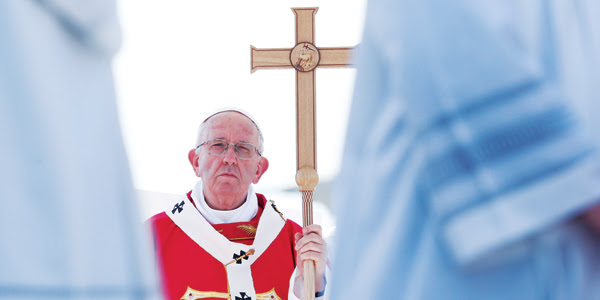
2018年9月19日

・10月の「若者シノドス」予定通り・成否のカギ握る教皇盟友たち・日本は?(Crux)

(2018.9.15 Crux Senior Correspondent Elise Harris)

ローマ発―聖職者による性的虐待問題が教皇フランシスコに降りかかり、一部に開催延期の声も出ていた「若者、信仰と召命の識別」をテーマとするシノドス(全世界代表司教会議)が、予定通り10月3日から28日までバチカンで開かれることになった。15日、バチカンから同シノドスの出席者リストが公式発表され、予定通りの実施が確認されたものだ。

 出席者は約300人で、全世界から各国の司教協議会あるいは教皇自身が指名した枢機卿、司教、司祭、一般信徒から成る。具体的には、2015年の前回シノドス閉幕時に選ばれていた15人のシノドス組織運営委員会メンバー、各国司教協議会指名の151人、それに教皇指名の39人に、バチカンの諸官庁のトップ、監査役、東方教会代表、修道会会長連盟が指名した代表者たちが出席する。

 教皇が指名した高位聖職者たちの顔ぶれは、社会問題と欧米以外の途上国地域に対する教皇の関心を示すだけでなく、教皇の盟友が目立っている。具体的に名を挙げれば、独ミュンヘン大司教でドイツ司教協議会長のラインハルト・マルクス枢機卿、米シカゴ大司教のブレーズ・キューピッチ枢機卿、米ニューアーク大司教のジョセフ・トービン枢機卿、ローマ司教代理のアンジェロ・デ・ドナティス枢機卿で、マルクス枢機卿以外の全員が教皇フランシスコによって枢機卿に任命されでおり、彼ら全員が教皇の腹心の友、と見られている。

 高位聖職者以外の教皇指名者で注目されるのは、イエズス会が発行し、世界最古の定期刊行物とされているLa Civilta’ Cattolica誌編集長のアントニオ・スパダロ神父、バチカンの人間開発のための部署で移民・難民部門担当の副長官を務めるマイケル・ツァーニィ―神父の2人で、いずれも教皇フランシスコと直接にやりとりする関係を持っている。

 このほかの注目人物は、カナダ・ケベック大司教のジェラルド・シプリアン・ラクロア枢機卿、バチカン市国行政長官のジュゼッペ・べルテロ枢機卿、バチカン生命アカデミー総裁で新設のヨハネ・パウロ2世・結婚・家庭科学研究所所長のビンセンゾ・パグリア大司教、伊ボロニアのマッテオ・マリア・ズッピ大司教、ミラノのマリオ・エンリコ・デルピーニ大司教、そして、豪メルボルンのピーター・アンドリュー・コメンソリ大司教だ。

 教皇指名の出席者には、その多くが教皇フランシスコから任命され、信徒の少ない教区や教会が困難な状況に置かれている教区のトップもいる。教皇は昨年、ミャンマーを訪問され、数少ない信徒を励まされ、ロヒンギアの難民ともお会いになったが、同国のチャールズ・ボー枢機卿を始め、中央アフリカ共和国のドウドンヌ・ザパラインガ枢機卿、メキシコ市のアギア・レテス枢機卿、エルサレム使徒的管理者のピエバティスタ・ピッザバーラ大司教、コンゴ民主共和国のフリドリン・アンボンゴ・ベスング大司教、パキスタン・カラチ大司教のジョセフ・カウツ枢機卿たちだ。

 そのほか、欧米から離れた地域からは、ウルグアイのダニエル・フェルナンド・スターラ・ベルハウエト枢機卿、ケープ・ベルデのアーリンド・ゴメス・フルタド枢機卿、パプアニューギニアのジョン・リバット枢機卿、ラオスの教皇代理のルイマリー・リン・マンカネコウン枢機卿、マダガスカルのデジレ・ツアラハンザ枢機卿、アンゴラのガブリエル・ムビリンギ=ルバンゴ大司教が出席する。同じく出席予定者のパナマのホセ・ルイス・ラクンザ・マソトロホアン枢機卿は、来年1月のワールド・ユース・デイの準備で重要な役割を果たしているが、総じて、意外な人物は出席リストにあまりみられない。

 そうした中で、意外な出席者は、ローマの聖ヨハネ大聖堂の音楽監督でローマ教区聖歌隊の指揮者であるマルコ・フリシナ師だ。彼は、教皇の祈りのいくつかに曲をつけ、ローマで高い名声を挙げている人物だ。

 また教皇が社会問題に強い関心を持っていることは、ホノルルの社会使徒職事務局長のロバート・スターク師、雑誌Aggiornamenti Socialiの編集長で“San Fedele Cultural Foundation” 会長、”Carlo Maria Martini Foundation”副会長でもあるギアコモ・コスタ師が出席者として選ばれたことに表れている。

 他にもっともな人選として、バチカンで、学校で、小教区で、若者の司牧に直接かかわっている司祭たち、バチカンの信徒・家庭・命の部署のアレキサンドレ・アウィ・メロ次官、教皇庁立サレジオ大学で若者の司牧について教え、イタリアの雑誌 Note di Pastorale Giovanileの編集長でもあるロッサノ・サラ教授がいる。

 教皇指名の出席者はこの他に、ルクセンブルクのジャン・クロード・オロリッシュ大司教、アルゼンチンのエドアルド・ホラシオ・ガルシア司教、韓国のYou Heung-Sik 司教、ベルギーのルカス・バン・ローイ司教、イタリア・パドゥアのクラウディオ・シポラ司教、ポーランドのマリアン・フロルジック補佐司教、オプス・デイ副会長で教皇庁立聖十字架大学の副総長のマリアーノ・ファジオ師がいる。

 司教協議会の指名では、米ガルベルストン=ヒューストン大司教で米司教協議会長のダニエル・ディナルド枢機卿、ロサンゼルスのホセ・ゴメス大司教がいる。2人は13日にローマで教皇と前枢機卿のセオドール・マカリック師を巡る性的虐待スキャンダルへの対応などについて協議している。インターネット・メディアでの発信に積極的な姿勢で知られるロサンゼルスのロバート・バロン補佐司教も、司教協議会指名で今回のシノドスに出席する。

(「カトリック・あい」より・・・ルクセンブルクのジャン・クロード・オロリッシュ大司教は、イエズス会士で、最近まで上智大学で副学長を務めており、日本の学生たちについて知識が豊富だ。また、今回シノドスは日本の教会にとっても大きな問題を扱う予定であるにもかかわらず、日本の出席者が予定されいるのか、いないのかも含め、全く注目されていないのは、日本の司教団の会議への消極的姿勢の反映であるとしたら、残念なことである。)

(翻訳「カトリック・あい」南條俊二)

2018年9月16日

・教皇は「児童保護サミット」で「いちかばちかの一手」に出た(Crux・解説)


Why Francis’s child protection summit may be highest-stakes gamble of his papacy

Pope Francis during his regular Wednesday general audience on Sept. 12, 2018. (Credit: AP.)

 ローマ発 -12日のバチカンの大ニュースは言うまでもなく、教皇フランシスコが世界各国の司教協議会会長-全員で100人を超える-をバチカンに集め、「弱者保護」を 議題とする会議を開くことを発表したことだった。

 即座に出た反応は、これが、例外的ともいえる大荒れの一か月の後の、教皇フランシスコについての物語とカトリック教会の聖職者による性的虐待スキャンダルを塗り替えるバチカンの努力の一環だ、との推測だ。

 大荒れのこの一か月は、米ペンシルバニア州の大陪審報告に始まり、「教皇はセオドール・マカリック前枢機卿の不適切な性的行為を5年前に知りながら無視していた」とのバチカンの前駐米大使による告発に至るものだった。

 教皇が来年2月に開く会議が、”普段通りのありふれたもの”でないことは、誰にでも分かる。バチカンが世界中の司教協議会の会長全員に招集をかけることは、どのような理由にせよ、稀なことだし、性的虐待の問題で高位の指導者たちが横断的に集められるのは初めてだ。

 教皇と助言者たちが会議の開催を開くことで念頭にあるのは、チリの問題だ。同国で2016年から2017年に性的虐待危機が熱を帯びた時、教皇は被害者たちに敵意を抱いていると広く受け取られた。今年1月には、ある司教を「加害者たちを隠ぺいした」として批判し続ける被害者たちを、教皇は「司教を中傷している」と非難さえしていた。

 だが、その後、事態は急旋回した。教皇は5月になって、チリの司教全員をローマに召喚し、彼らは会見の終わりに全員が辞任を表明した。教皇は彼らを叱責し、司祭たちの性的虐待を単に無視しただけでなく、犯罪行為の証拠隠滅などにより意図的に隠ぺいしたとして、彼らのうちの何人かに躊躇なく有罪の判断を下した。

 その結果は、教皇が解決のカギとなる問題の一部となることから外れたことを、そして多かれ少なかれ潜在的にメディアが騒ぎを起こす火種を、消し去ったことを意味するものだった。そして、その後、教皇が全司教のうち5人だけの辞表を、公けの説明なしに受理した時に、その勢いは消えようとしたが、それにもかかわらず、多くの人々は1か月前、なお教皇を信じようとしていた。

 司教協議会の会長たちの招集が「教皇の事態打開の決意を印象付け、落ち込んだ今の雰囲気を改めるチリ問題に対したのと同じ刺激効果をもたらす」と、教皇と助言者たちは考えているのかもしれない。だが、彼らが十分に認識していそうにないのは、対処しようとしている問題がチリよりもずっと大きいことだ。実際のところ、これは恐らく、極めて掛け金の高い賭けになるだろう。失敗すれば、地球的な規模の機能不全に陥るかもしれないからだ。

 過去5年半の間、私が教会関係者たち、ジャーナリスト仲間と会話する中で、あるいは講義の場で何度となく話題になったのは「教皇フランシスコと大衆との蜜月関係が何によって終わらされるのか」という問いだった。教皇フランシスコは人の心をつかみ、奮い立たせる人物だから、その問いは、答えるのに窮するものだった。だが、私は次のように答えた-「教皇が、性的虐待問題で汚れていると大衆に受け止められるようになったら、それが、蜜月の関係を終わらせるものになるかもしれない」と。

 今、私たちはまさにその段階に来ているように思われる-人々は、教皇が改革について言っていることは何を意味するのか、教皇は個人として性的虐待問題の隠ぺいで責めらるべきなのか、と問うているのだ。

 この問題の唯一の出口があるとすれば、それは二重になっているように思われる。

 第一に、バチカンは、マカリックの問題をはじめとして(聖職者による性的虐待の)何を、いつ知ったかを公けにすることだ。実際、そうしなければならなくなっている。13日に、教皇は米国の司教協議会の指導者たちと会い、マカリック問題の調査について議論するが、信頼を損なわずに、どのようにしてバチカンの最終的な狙いについての問いが議論から外されるか、を知ることは難しい。

 (仮に、米司教協議会会長でガルベストン・ヒューストン大司教ののダニエル・ディナルド枢機卿が、今週、性的虐待の容疑で逮捕された配下の司祭たちの1人に対する訴えへの対応を彼自身が誤った、とする訴えに動揺しているとしたら、どうだろうか。だが、誰がこの会議を主導しようとも、マカリックの問題が消えることはない。)

 第二に、バチカンは、大部分の観測筋が教会のまだ成し遂げていない仕事の目立った部分として見ているものー性的虐待の犯罪と同様に隠ぺいについての説明責任をしっかりと果たすことーについて公けに語らねばならない、ということだ。

 今、明らかなのは、カトリックの聖職者が児童に対する性的虐待で訴えられた場合、躊躇なく調査し、訴えが信用できると判断されれば、速やかに厳しい処罰をくださねばならない、ということだ。だが、現実は、司教や他の高位聖職者が犯罪の隠蔽で訴えられた場合に、誰が取り調べをし、どのような手続きがとられ、どのような処罰を下すのか、まったくはっきりしないままにされている。

 説明責任が言われながら(重要な部分は)秘匿されたままだ-それが、カトリック教会がいまだに自らの行為を正していない、と抗議する際に、関係者が指摘する最も重要な点である。

 もしも、2月の世界の各国司教協議会会長が集まっての会議で、以上の二つ課題について現状を突破するような結果が出ないならば、彼らが持って帰るのは、冷笑されるような、表面を繕った儀式の産物、教皇フランシスコが取り戻そうと懸命に努力したであろう素晴らしい姿さえも幻滅させるもの、となるだろう。

 来年2月の終わりまでに、先に二つの課題について、バチカンが重要な前進みせることができる、と信じるのは、理にかなったことだろうか?

 そうかも知れないし、そうでないかも知れないが、バチカンが12日に発表した短い声明にさえ「透明性」あるいは「説明責任」という言葉がない、ということに気づくのが、最も明るい兆候ということは恐らくないだろう。(二つの課題について、前進できるかどうかは)教皇が、司教たちの議論を「弱者保護」に集約させられるかどうかにかかっている。

  2月の”サミット”召集の提言が枢機卿顧問会議-メンバーにバチカンの弱者保護委員会の長を務めるショーン・オマリー枢機卿がいる-から出されたという事実は、サミットの最重要課題として考えられているのが、まだ性的虐待対策を進めていない国の司教協議会に取り組みを強く促すことだ、ということを示唆しているようだ。それが、オマリーの委員会が当初から最優先課題としていることだからだ。

 そのような対策が前進を見せるとして、それがサミットの成果のすべてだとしたら、現在の状況の中で本当の前進と判断されるものとして多くの関係者-事の成り行きをしっかりと見つめ、メディアの報道形成を助けることになる性的虐待被害者や監視グループを始めとする人々-が抱いている期待を満たすことにはならないだろう。

 また、予定されるサミットの開催期間がたった3日ととても短いこと、参加者が言いなりになるような人々でなく、各国の司教協議会で選ばれた指導者-前もってお膳立てしたものを無理やり飲み込まされるようなことを素直に受け入れることがありそうもない人々-であることが、おおくのものを成し遂げることを困難にするかもしれない。

 その一方で、このサミットが本当に期待される結果を出すと考えたらどうだろう。全く急に、バチカンの財政・金融などいくつかの分野で結果を出すことに失敗しつつあるように見えた教皇が、過去二代の教皇が成しえなかった改革を成し遂げ、恐らく、宗教改革以来、最大の危機に大胆に立ち向かうリーダーと見られることになるだろう。

 言葉を換えれば、教皇フランシスコは、もしうまくいかなければ、損失を被る大きな取引、うまくいけば利益を得る大きな取引-辞書の定義によれば、「いちかばちかの一手」-に踏み出したのだ。

(翻訳「カトリック・あい」南條俊二)

・・Cruxは、カトリック専門のニュース、分析、評論を網羅する米国のインターネット・メディアです。 2014年9月に米国の主要日刊紙の一つである「ボストン・グローブ」 (欧米を中心にした聖職者による幼児性的虐待事件摘発のきっかけとなった世界的なスクープで有名。映画化され、日本でも昨年、全国上映された)の報道活動の一環として創刊されました。現在は、米国に本拠を置くカトリック団体とパートナーシップを組み、多くのカトリック関係団体、機関、個人の支援を受けて、バチカンを含め,どこからも干渉を受けない、独立系カトリック・メディアとして世界的に高い評価を受けています。「カトリック・あい」は、カトリック専門の非営利メディアとして、Cruxが発信するニュース、分析、評論の日本語への翻訳、転載について了解を得て、掲載します。


2018年9月14日

・教皇、成人に対する性的嫌がらせ疑われる米司教更迭、調査を指示

(2018.9.13 「カトリック・あい」)

 バチカン広報が13日発表したところによると、教皇フランシスコは米ウエスト・バージニアのウィーリング・チャールストン教区長のマイケル・ブランスフィールド司教の辞表を受理した。

 その理由は発表されていないが、ローマからの各種の報道によると、同司教には成人に対する性的嫌がらせの疑いが出ており、教皇はこの事実上の更迭決定と同時に、ウイリアム・ロリ=ボルチモア大司教にウィーリング・チャールストン教区長代行を命じ、同大司教はバチカンからブランスフィールド師について調査するよう指示された。

 この決定は、米国の司教協議会会長たち米教会の代表団が、バチカンで米国での聖職者による性的虐待への対応について協議したのと前後して行われた。米国での問題の深刻さを改めて印象付けている。


2018年9月14日

・教皇、米国カトリック教会の代表団と聖職者による性的虐待について協議

  (2018.9.13 バチカン放送)

 教皇フランシスコは13日、バチカンに米国司教協議会会長はじめ同国のカトリック教会代表を迎え、米国の聖職者による未成年者虐待問題について話し合った。

 代表団は司教協議会会長でガルベストン=ヒューストン大司教のダニエル・ディナルド枢機卿、教皇庁未成年者保護委員会議長でボストン大司教のショーン・パトリック・オマリー枢機卿、司教協議会副会長でロサンゼルス教区長のホセ・オラシオ・ゴメス大司教、同事務局長のブライアン・ブランスフィールド師の4人。

 会議後、ディナルド枢機卿は、米国カトリック司教協議会のwebサイトを通して声明を発表し、教皇との会見に感謝するとともに、性的虐待の悪によって「傷ついたキリストの体」にたとえられる米国のカトリック教会の現況について、教皇と分かち合うことができた、とし、教皇は代表団に対して心の奥から耳を傾けてくださり、長く、実り多い、有意義な意見の交換ができたと、述べた。

 謁見の終わりに、教皇と代表団はともに「お告げの祈り」を唱え、神のいつくしみを願い、性的虐待で負った傷から立ち直るために働く力をくださるように、祈った。

 また、ディナルド司教協議会長は「次に行うべきより効果的なステップを見出すため、ともに積極的な識別を続けていく」と約束した。

(「カトリック・あい」が編集)

2018年9月14日

・教皇、2月に聖職者性的虐待問題で全世界の司教代表と協議(Vatican News)

(2018.9.12 Vatican News Christopher Wells)

   教皇フランシスコが、全世界の各国司教協議会の代表たちをバチカンに招集し、未成年者と成人弱者に対する性的虐待の防止について協議する会議を開くことになった。12日に終了した枢機卿顧問会議の内容について説明する同日午後の記者会見で、バチカン広報局次長が枢機卿顧問会議の声明発表で明らかにした。

 枢機卿顧問会議の声明によると、この会議は来年2月21日から24日にかけバチカンで開く。声明は、今回の枢機卿顧問会議で、虐待問題について「教皇と、詳細に検討した」という。

(「カトリック・あい」翻訳)

【関連】

聖職者性的虐待問題の抜本解決へ「臨時シノドス」求める動き(CRUX)

(2018.9.2   Crux 

 ”臨時シノドス(全世界代表司教会議)”は、カトリック教会を巻き込んだ聖職者による性的虐待問題に根本的な解決のカギとなるのか?-ここ十日間に、米英の司教3人が、世界のいくつかの地域で新たに表面化している「性的虐待と隠ぺい」に焦点を当てるシノドスの開催を求める書簡を、教皇フランシスコあてて、相次いで送っていることが明らかになった。

 最初に書簡を送ったのは英ポーツマス教区長のフィリップ・イーガン司教。8月22日付けで、聖職者の生活と司牧に関して臨時シノドスを開催するよう要請し、「聖職者による性的虐待は、カトリック教会で世界規模の現象となっているように見えます」「カトリック信者として、司教として、このようなことの数々が表沙汰になったことを深く悲しみ、恥ずかしく思っています」と訴えた。そして、臨時シノドスで話し合われるべきテーマとして、「司祭、あるいは司教のアイデンティティー」、「司祭のライフスタイルと独身生活への支援に関する指針」、「司祭と司教の生活のルール」「司祭と司教の説明責任と監督についての適切な方法」を提案した。

 この一週間後の8月29日に、米ダラス教区の司教たちと司祭たちを代表する形で、エドワード・バーンズ司教が、教皇に対して臨時シノドス開催を求める書簡を送った。書簡では、「聖職者による性的虐待と高位聖職者によるその隠蔽、(神と教会への)忠誠心の欠如によって引き起こされた現在の教会の危機は、大きな害をもたらしています」としたうえで、臨時シノドスで話し合うべきテーマとして「子供たちと弱者のケアを保護措置」「被害者への手当」「聖職者のアイデンティティーとライフスタイル」「教会共同体社会における健全な人間形成の重要性」を挙げた。

 翌日の30日には、米フィラデルフィアのチャールズ・チャプット大司教が教皇に送った書簡を公表し、10月に予定している若者の育成や召命についての通常シノドスを中止し、代わりに、司教の生き方に関するシノドスを計画するよう求めた。

 このような3人の司教の提案が、世界の他の司教たちの支持を得られるかどうか、まだ不明だが、そうした会議の招集・開催がタイミングよく実行可能か、という問題もある。

 教会法によると、シノドスは「世界の異なった地域から選ばれた司教たちの集まりで、教皇と司教たちの密接な一致を育てるため、信仰と道徳の保持と成長、教会の規律の順守と強化について助言をもって教皇を助けるため、そして、世界の教会の活動に付随する問題を検討するために、決まった時に開かれる」とされている。

 シノドスは、2年ないし3年おきに、ローマで開かれるが、会議には三つの形がある。通常総会-10月に予定されている若者をテーマとするものに代表される。特別総会-来年に予定されるアマゾン地域のように、世界の特定の地域に限って開くもの。そして臨時総会-「速やかな問題解決」を必要とする問題を取り扱うために招集されるもの、だ。

 米インディアナ州の聖メインラッド神学院で教会法を教える一般信徒で教会法弁護士のマイケル・ダニガン氏は「ある意味で、臨時シノドスは、現在起きている危機にぴったりの会議のように思われます。今のスキャンダルへの対応は、まさに、喫緊に取り扱うべき課題ですから」とし、「でも、別の意味では、これとは違う形と仕組みの方が、もっと効果的かもしれません。計画し、準備し、何百人もの参加司教を選ぶ作業が、信徒たちに安心感を与える形ですみやかになされるのを、想像することは難しい。航空母艦を海で回頭することは可能だが、素早くはできないのと、同じです」とCruxに語った。

 臨時シノドスは通常シノドスよりも規模が小さく、主要な出席者は、東方教会の代表者たちと世界の各国、各地司教協議会の会長たち。過去に開かれたのは1969年、1985年、2014年の三回だけだが、いずれも”速やかさ”を要するものではなく、緊急の課題に取り組むものでもなかった。

 第二バチカン公会議が閉幕した直後に招集された1969年の会議では、公会議の結果を受けたバチカンとの関係で各国、各地の司教協議会の役割が協議された。1985年の会議は、公会議閉幕20周年を記念して招集され、2014の会議は家庭生活をテーマに二回連続で開かれた会議の一回目で、教皇が呼びかけた、家庭問題についての”識別の過程”の一部をなすものだった。通常シノドスよりも規模は小さかったが、準備に要した時間は変わらなかった。

 理論上はシノドスの臨時総会は、通常総会に比べて速やかに招集される。司教協議会が代表を選ぶために会合をする必要がなく、いくつかの位階的な手続きを省略できるか、短くできることになっているからだが、実際にはそのような例はない。

 ダニガン氏はまた、何がシノドスで、何がシノドスでないのか、を考えることも重要、と言う。「それが、シノドスと公会議を区別する助けになるからです。公会議では、司教たちが教皇とともに、運営権を行使しますが、シノドスは違います。シノドスでは、司教たちは教皇に助言するだけの機能しか持ちません」。それともう一つ考えておかねばならないのは、シノドスが本来、司教たちの会合だということである。一般信徒も会合に招かれ、審議に参加できるが、あくまでオブザーバーとしての参加だ。

 他の例としては、聖職者の性的虐待と隠ぺいが明るみ出てひどくたたかれているオーストラリアで2020年に予定される同国の「全体会議」がある。全体会議は、バチカンの賛同を得る必要があるが、出席者として、全国の司教、司祭、助祭、修道会の会員、そして一般信徒と、教会の全構成員が対象となり、議決権をもつ-拘束力のある決定ができる。全体会議は、米国ではこれまで、19世紀にボルチモアで開催以来、130年以上開かれていない。米国の年配の信徒は、1884年の第三回全体会議で決まった「ボルチモア・カテキズム」に馴染みがあるだろう。

 全体会議では、司教だけに拘束力をもつ決議権があるが、一般信徒など他の出席者は助言する権利を持つ。「私見では、米国の教会にとって、全体会議を開くのが至極、適当です」とダニガン氏はCruxに語り、「2002年にボストンが聖職者による性的虐待の世界的危機の震源地になったように、2018年の現在の危機の震源地はワシントンとペンシルバニアを結ぶ所にあります。何人かの米国の司教たちは、2002年にダラスで開かれた司教たちの会合のような全体会議を開くことを提唱しています」と言う。

 しかしながら、全世界の教会のレベルでそのような会合が開かれる準備はない。ダニガン氏は「現行の教会法はその可能性を考慮に入れておらず、そのような仕組みを提供してもいません」と説明する一方、「大規模な国際的な協議と行動のための全体会議となれば、それは公会議とシノドスですが、一般信徒が、自分たちの決めるやり方で大規模な国際会議を開くのを妨げるものは、何もありません」と語っている。


(翻訳「カトリック・あい」南條俊二)

・・Cruxは、カトリック専門のニュース、分析、評論を網羅する米国のインターネット・メディアです。 2014年9月に米国の主要日刊紙の一つである「ボストン・グローブ」 (欧米を中心にした聖職者による幼児性的虐待事件摘発のきっかけとなった世界的なスクープで有名。映画化され、日本でも昨年、全国上映された)の報道活動の一環として創刊されました。現在は、米国に本拠を置くカトリック団体とパートナーシップを組み、多くのカトリック関係団体、機関、個人の支援を受けて、バチカンを含め,どこからも干渉を受けない、独立系カトリック・メディアとして世界的に高い評価を受けています。「カトリック・あい」は、カトリック専門の非営利メディアとして、Cruxが発信するニュース、分析、評論の日本語への翻訳、転載について了解を得て、掲載します。


2018年9月13日