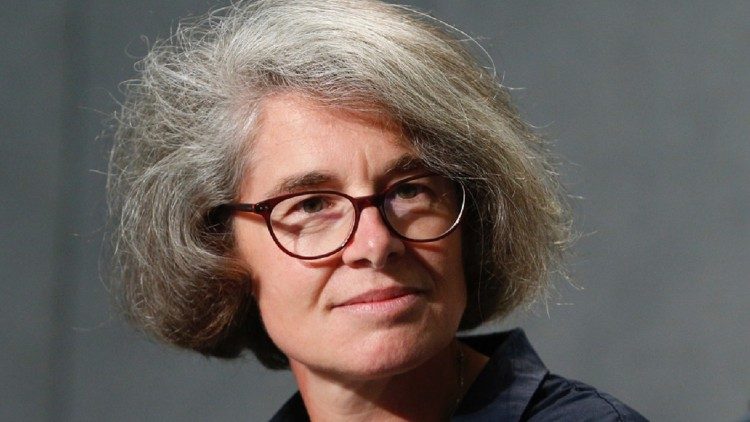
シノダル(共働的)な教会を目指して”シノドスの道”を始められた教皇フランシスコが課題検討のため昨年3月に設置された10の研究グループが17日、中間報告を公表した。
研究グループは、一昨年10月、昨年10月と二度にわたって「シノダルな教会」のあり方を話し合う世界代表司教会議(シノドス)第16回通常総会がまとめた最終文書で課題として残されたこれらのテーマの検討を続けてきた。
中間報告で扱われたテーマは。デジタル世界における宣教活動から、教会における奉仕活動と女性の参加、東方カトリック教会とラテン教会の関係から、教皇大使の役割と司教の選出、エキュメニズムから「論争の的となる」教義問題(より正確には「新たな課題」と定義される)まで、例えば戦争下における女性への暴力の問題など、多岐にわたる。
*新たに「一夫多妻制」「シノダルな視点における典礼」が検討テーマに
さらに、新たなテーマとして、教会法委員会と、SECAM(アフリカ・マダガスカル司教協議会シンポジウム)による一夫多妻制への対応に関する貢献、「シノダルな視点における典礼」グループによる貢献が新たに示された。
後者は、シノドス第16回総会の最終文書を踏まえて教皇レオ14世が設置を望んだ二つの新たなグループの一つであり、今年7月末から活動を開始した。もう一つのグループは現在準備中で、司教協議会、教会総会、個別評議会の規約に関するものだ。
*最終報告書提出期限の延長
全てのグループは当初、今年6月末までに教皇へ考察を提出するよう求められていたが、フランシスコ教皇の死去、レオ14世の就任、検討時間の追加の必要性から、期限延長が不可欠となった。7月にレオ14世は延長を認めたうえ、「可能な限り」2025年12月31日までに最終報告書を提出するよう求められた。シノドス事務局長のマリオ・グレック枢機卿は付随文書で「現在、作業を終えつつあるグループもあれば、今後数か月間継続するグループもある」と記している。
【12の研究グループの中間報告】
*東方教会との関係
東方カトリック教会とラテン教会との関係に関する報告は、バチカン東方教会省が選出したメンバーで構成される第1研究グループによって作成された。25項目の質問票、中東カトリック総主教評議会が作成した「提案と提言」、そして「共通関心事項」に関する協議が、第1グループと準備グループの作業を示した。準備グループは、司教団を持たないディアスポラ(離散)の東方信徒の牧会のみに焦点を当てた。同グループが発展させようとしているテーマの一つは、東方教会法規範の改正の可能性である。
*貧しい者と地球の叫び
5大陸から集まった修道者と信徒を含む女性4名と男性3名が、第2研究グループで「貧しい者と地球の叫びに耳を傾ける」というテーマに取り組んだ。メンバーは多数のネットワークや現地教会と連絡を取り、Zoomで数回の会議を開催し、これまでに作成された報告書では司教、神学者、牧会従事者らの提案をまとめた。
同グループはまた、UISG(国際修道女会連合)に諮問し、女性修道会から200件以上の意見を集め、オーストラリア司教協議会障害者担当事務局と、障害者の教会生活への参加について対話した。
最終報告書は現在起草中である。一方、この「フィードバック・ループ」において、グループの各メンバーは「出身大陸で貧困化または周縁化されたコミュニティの人々と関わる」ことに取り組んでいる。
*デジタル環境における宣教
シノドスの「シノダリティ(共働性)」への呼びかけに応え、第3研究グループはデジタル環境における教会の宣教課題を探求した。その焦点は、聖座代表、神学者、コミュニケーション専門家、学識者など多様な声に耳を傾けることに置かれた。同グループはまた、コミュニケーション省庁の調整のもと、84の司教協議会広報局にも意見を求めた。
「教会はあなたを聴く」という取り組みも開始され、67カ国から集まった1,618人のデジタル宣教師が、若者や社会の周縁に生きる人々とのデジタル伴走体験を共有した。
教皇庁未成年者保護委員会との対話も重要であった。同委員会のメンバーは、デジタル環境における倫理的・保護上の課題を指摘した。
活動効率化のため、世界各国の学者、牧会専門家、デジタルクリエイター、35歳未満の若者を集めた3つのテーマ別作業部会を設置した。現在最終報告書の作成を進めており、カトリックインフルエンサーの聖年中に得られた成果も反映させる予定だ。
*司祭養成に関する『ラティオ』の改訂
第4研究グループの報告書は、司祭養成に関する2016年の文書『司祭養成基本綱領(ラティオ・ファンダメンタリス・インスティトゥティオニス・サクレダルリス)』に焦点を当て、長い道のりを描いている。
その視点は『ラティオ』のシノダルな改訂にあるが、同時に『ラティオ』は「まだ受け入れの過程にある最近の文書」であり、「教会のシノダル性と宣教的側面に関する重要な革新を既に導入している」ことも考慮されている。現時点では、Ratio Nationalis(各国版司祭養成要綱)が準備中である(一部は司祭省によって既に承認され、他は草案段階にある)。したがって、Ratioの全面的な見直しは現時点では適切ではないと考えられる。
同時に、第4グループの報告書は、現在の時代の転換期において「一連の必要性」が存在し、これを無視できない事実を強調している。これには「神の民の生きられた経験により深く根ざした」養成の必要性、「信徒、奉献生活者、聖職者、神学生が共に参加する養成の機会」、そして「聖職者養成における女性と家族のより大きな参加」が含まれる。
こうした状況を踏まえ、我々は『基本規則(ラティオ・ファンダメンタリス)』の予備文書を起草する可能性を検討している。これには2024年10月以降のシノド参加者による「重要な提言」も反映されるべきであり、ソーシャルネットワークやAIの課題、神学校の体制構築などが含まれる。
*女性の教会活動への参加
シノドス事務局の指示に沿い、教義省(グループ5に対応)は「女性の教会生活と指導層への参加」という特定テーマに関する最終報告書の起草を進めている。同省は「膨大な量の資料」を収集・評価するとともに、「既に教会の使命と指導に深く関わる多くの女性たちからの貢献を積極的に求めた」のである。
具体的には、最終報告書は女性の役割に関する主要な知見と合意点の要約に加え、教理省が受領した「実質的な資料」を7部構成で分類した付録で構成される。これには以下が含まれる:・教会の指導層に参加する女性、あるいはローマ教皇庁で働く女性の証言 聖職者主義や男性優越主義に関する批判的緊張、そして教皇フランシスコと教皇レオ14世による教会における女性の役割に関する寄稿が含まれる。
報告書初稿は2025年7月に教理省諮問委員と協議された。彼らの意見は第二部でも活用される。
「女性の助祭職へのアクセス」問題については、教皇フランシスコが女性助祭職に関する第二研究委員会の作業を「再開」した課題であり、中間報告書は「この主題に関連する全てのシノドス貢献は、同委員会に検討のため送付された」と説明している。
今後数ヶ月以内に遅滞なく作業の最終成果を提出する予定。
*司教と奉献生活者、教会団体との関係
第6研究グループの作業は3つのテーマ別小グループに分かれ、司教と奉献生活者の関係、司教協議会と主要修道会長会議の協力、教会団体と地方教会との関係を分析した。
司教、奉献生活者、信徒らが地理的に異なる地域から集い、教導権と直接の経験に基づき意見を交わした。
対話、インタビュー、アンケート、議論(「課題」も少なくなかった)を経て、各サブグループは要約報告書を作成し、最終報告書の草案作成に進んだ。この最終段階では、修道院長連合(UISGおよびUSG)および所管の教皇庁局も意見を述べる予定だ。
*司教の位格と職務
司教職候補者の選定基準(当該地域の司教と信徒の参加を含む)、司教の初期養成と継続的養成、司牧者の司法的機能、アド・リムナ訪問の性質と実施方法――これらが第7研究グループの作業指針であり、ここ数ヶ月で約200名の意見を聴取した。同チームは司教会議第2回会期終了後、毎月会合を重ねてきた。
司教職候補者選抜の件では、研究グループは当時の司教省長官ロバート・フランシス・プレヴォスト枢機卿を通じて、教皇フランシスコから「司教省及び福音宣教省の管轄区域内における司教任命手続きに関する」駐在大使館宛「機密指示書の審査権限」を付与された。
バチカンでのシノドス期間中、同グループは約80名のメンバーから質問や期待事項を収集した。ある機会には「国際企業における幹部人事選考の専門家を招き、市民社会の手法から有益な知見を得るための報告を提出させた」。
その後、司教団長と教皇代表に対し、アンケートを通じて意見が求められた。信徒の男女にも書面で意見が求められ、シノドス事務局に寄せられた約25件の自発的寄稿も検討された。
こうした広範な協議を通じて、グループは特定の視点について合意に達した。例えば「神の民の形成へのより大きな投資」の促進や、司教による地方教会への「より鋭い関与」といった視点である。
*教皇大使の役割
第8研究グループは「教皇代表の職務が…より宣教的かつシノダリティの視点で展開される方法を検討する」任務を負った。この使命に基づき、ローマのシノドス総事務局本部やZoomを通じて数多くの会議が開催された。
まず、2024年10月のシノドスに出席した司教協議会会長らとの特別会合が招集された。出席者61名のうち45名が参加し、残りは研究グループメンバーと個別面談を行った。続いて世界各国の教皇大使を招いたウェビナーを開催し、シノダリティについて議論した(参加者87名)。
また、グレッチ枢機卿とインド・ボンベイ大司教区名誉大司教オズワルド・グラシアス枢機卿が連名で、各司教団議長宛てに書簡を送付し、教皇大使の職務に関する提言を求めた。外交官自身にも意見や提案を求める書簡が送られた。いずれの場合も、反応は前向きで非常に有益なものだった。
したがって現在の段階は、研究グループのメンバーとの間で内容を精緻化し、分析し、共有する段階である。地理的な距離を考慮すると、これには時間を要するが、最終報告書は2025年12月末までに提出される見込みだ。
重点分野は次の通りである:アカデミー候補者の選抜プロセスとその養成、外交官の初期勤務段階における支援、教皇大使間の地域別会合、退職後のケア。
*教義・司牧・倫理上の論争的課題
「イエスの福音への文脈的忠実性における思考の転換と実践の変革」が、教義・司牧・倫理上の論争的課題に関する第9研究グループの作業の出発点であった。
また「同性愛、紛争と福音の非暴力的実践、武力紛争下における女性への暴力」など、論争的というより「新興」と定義すべき課題にも取り組んだ。
報告書は目的を「あらゆる事例に適用できる解決策を提供することではなく、参照基準を示すこと」と明記している。その地平となるのは「牧会性の原理」、すなわち「他者の主体性を認め促進すること、対話者への寛容と責任の態度を伴わなければ、神の福音の宣教はありえない」という論理である。
*エキュメニカルな歩み
シノダリティとキリスト教の統一は相互に依存する二つの主題である。この原則に基づき、グループ10は三つの課題に照らしてエキュメニカルな歩みの成果を探求した:シノダリティとペトロの首位権、特に異宗派のカップルや家族に焦点を当てた聖体拝領におけるもてなし、そして「無宗派」共同体とキリスト教に由来する「リバイバル」運動の現象である。
神学的・牧会的枠組みを構築した後、キリスト教一致推進省、タイゼ・コミュニティ、シュマン・ヌフ、フォコラーリなどのエキュメニカル共同体、そして各大陸の神学者らとの協議が進行中である。
目標は「地方教会向けの実践的指針を策定し、カトリック教会のシノダリティ形成と完全な可視的一致に向けたエキュメニカルな歩みの進展の両方に貢献すること」である。
*シノダリティの視点における典礼
教皇が委嘱したもう一つの研究グループは典礼に関するもので、今回初めてその成果を発表する。
バチカンの典礼秘跡省が調整役を務め、シノドス事務局と協力して活動するこのチームは、聖体祭儀と教会のシノダリティ的宣教生活との関連性についての考察から任務を開始する。
検討課題の一つは、「特に女性が救いの歴史における役割について聖書の証言を典礼朗読集で強調するなど、差別が依然として存在する地域において女性の役割を認識させる方法」を促進することである。
*教会法委員会
十の研究グループの中間報告に加え、2023年の第一回シノドス会期中に設置された教会法委員会の報告もある。同委員会はこれまでに8回会合を開き、信徒/女性、司教協議会/個別評議会、参加型組織といったテーマを扱ってきた。現行法規の改正可能性が検討されている。
*一夫多妻制
一夫多妻制の問題について、アフリカの教会はSECAM内に専門家グループを設置した。島嶼部や地域から集まった12名の専門家(教会法、人類学、聖書学、牧会学の専門家)が、「一夫多妻制に関する神学的・牧会的識別を促進し、信仰に近づく一夫多妻関係にある人々を伴走する方法」について検討している。
採用された方法論は三段階で構成される:「傾聴、評価、関与」。
中心的な問いは次の通りだ:「福音に従い、一夫多妻関係にある者たちに対して、どのような牧会ケアが適切か?キリスト教徒が一夫一婦制の結婚を受け入れることを支援する牧会的取り組みとは何か?」
このグループはまた、教義省と共有する予備文書を作成した。教義省からは「前向きなフィードバック」と「検討すべき具体的な事項」が示された。このため文書は現在も改訂中で、各国の司教協議会には未送付である。ただし昨夏ルワンダのキガリで開催されたSECAM総会では、司教や神学者らによる発表と議論が行われた。
(翻訳・編集「カトリック・あい」南條俊二)
*研究グループの中間報告英語版全文は以下の通り(グループごとに書式が異なり、表記も統一されていないが、発表内容のまま掲載した=「カトリック・あい」)
・・・・・・・・
Some aspects of the relationship between the Eastern Catholic Churches and the Latin Church
Interim Report Study Group 1 (Original Text: Italian)
This report, outlining the increasingly difficult situation of Eastern Catholic faithful who have fled to the West, set the following objective: «Precisely to facilitate the understanding and resolution of these problems, Group 1 proposes to examine carefully the question of the pastoral care of Eastern Catholics in the diaspora, especially those who are without their own Ordinary», specifying that «this work is intended to flow into a document of the Holy See, prepared by the Dicastery for the Eastern Churches and addressed by the Holy Father to the Latin Bishops, containing some guidelines on these aspects…». Thus, the work of Group 1 initially coincided with that of the “Preparatory Group for the Document on Relations between Eastern Catholic Churches and the Latin Church,” established by the Dicastery for the Eastern Churches.
According to the same report, the Group began its work «by considering various issues, articulated in a questionnaire of 25 questions, to which the members were invited to respond». In light of the topics identified by the Synthesis Report (28 October 28 2023) and those assigned to Group 1 by the «Work Outline» of the Secretariat of the Synod (14 March 2024), it became clear that the Group’s mandate would not encompass all issues concerning the Eastern Churches that emerged during the synodal process.
Meanwhile, responding to an invitation from the Secretary General of the Synod, His Eminence Cardinal Mario Grech, the Council of Catholic Patriarchs of the Middle East submitted several proposals and suggestions. In March 2025, on the initiative of Group 10, a small number of members from both Study Groups held a consultation on topics of common interest.
The first such consultation took place at the Dicastery for the Eastern Churches on 8 April 2025. During this meeting, it became evident that the Dicastery’s “Preparatory Group” and Group 1 are two distinct working groups, despite having an almost identical membership.
Professor Péter Szabó was invited to this meeting as an external observer in his role as coordinator of Group 1 of the 16th Ordinary General Assembly of the Synod of Bishops. At the meeting, the Dicastery’s “Preparatory Group” clarified that it intended to focus exclusively on the pastoral care of Eastern faithful in the diaspora who lack their own Hierarch. Thanks to this important clarification, Group 1 was able to begin a more independent course of activity. However, due to the subsequent vacancy of the Apostolic See, this work only truly commenced after the synodal journey was resumed by Pope Leo XIV.
Given the additional time made available to the Study Groups until the end of 2025, the Coordinator asked Group 1 members to submit a written summary of their priorities and proposals by July 2025. These were to take into account the needs expressed by the Eastern Catholic Churches, while also adhering to the guidelines and methodology outlined in the aforementioned «Work Outline» of the Secretariat of the Synod.
In July 2025, two online meetings of the Group were held, during which, following a rich exchange among the members, the themes to be developed in future meetings were outlined (including formation in the history and theology of the Christian East in the Latin Church, the possible revision of certain norms of Eastern canon law, and questions relating to the pastoral care of the faithful of the Eastern Catholic Churches).
Coordinator: Prof. Péter Szabó
・・・・・・・・・・・
To Hear the Cry of the Poor and the Earth
Interim Report Study Group 2 (Original Text: English)
Upon receiving the news of Pope Francis’ death, we resolved to continue our work in order to be able to submit our report by 30 June should that be desired by the new Pope. We welcome Pope Leo XIV’s encouragement of synodality. The extension of the reporting deadline will enable us to deepen the circularity of our methodology.
Subgroups
We have received reports from our Disability Subgroup and Theology Subgroup. These included concrete proposals that have been reviewed by Study Group 2. Following dialogue with the Subgroups and some amendments, these proposals have been incorporated into the recommendations of our draft report.
Additional Data
In July 2024 we gathered data from Bishops, theologians and formators, Church ministries and organisations via surveys. Following Cardinal Grech’s invitation for submissions to the Study Groups in October 2024, we have received twenty-one written submissions which are being considered as our draft report is finalised.
Our member Professor Sr Maria Cimperman has worked with International Union of Superiors General (UISG) and received over two hundred submissions from women’s religious institutes concerning the vital question of formation and the cries of the poor and of the earth.
Our members continue to take up opportunities to listen to the lived experience of those made poor or marginalised. For example, Coordinator Dr Sandie Cornish accepted the invitation to participate in the Idol Talk: In the Image of the Disabled God conference co-hosted by the Institute for Religion and Critical Inquiry and the Society of Jesus’ Loyola Institute as an intentional listener and critical friend. The conference was developed in dialogue with the Disability Office of the Australian Catholic Bishops Conference and brought together people with disability in Australia, academics internationally, and Dr Vittorio Scelzo representing the Dicastery for Laity, Family and Life, to consider the Catholic Church’s understanding of disability and the participation of people with disability in the Church.
Drafting
Study Group 2 has been working intensively on drafting its report and will have a complete first draft by the established time. Different members of the Group have led the drafting of different sections and the whole Group has diligently engaged with the drafts offering comments and suggestions.
Our report’s Executive Summary will include a brief introduction to each section and a full listing of the recommendations in relation to each of the five questions entrusted to us. The reflection on good practices that gave rise to the recommendations will be contained in appendices. A detailed proposal for an International Ecclesial Observatory on Disability in pursuance of No. 63 of the Final Document of the 16th Ordinary General Assembly of the Synod of Bishops on Synodality will be included as an appendix. The final report will include internal hyperlinks for easy access to relevant appendices.
Testing Recommendations
The extension of the reporting deadline will enable us to implement a feedback loop which was part of our originally proposed methodology but which we would not have been able to complete by 30 June 2025. We are now planning to test our draft recommendations on the ground in each continent.
Each Study Group Member will endeavour to engage with people or communities made poor or marginalised in their continent of origin, or where they live. They will do this either directly or via contacts who have authentic, ongoing relationships of trust with these communities. Similarly, efforts will be made to gather feedback from some parishes, seminaries, theologians, and providers of formation, as well as from ecclesial networks, social movements and those working to protect our common home. All Bishops with designated responsibility for justice, ecology and peace for their Bishops Conference will be invited to provide feedback.
Study Group 2 lacks a member from the Middle East. We will seek assistance and advice from those who participated in the Synod Assembly from the Middle East on appropriate ways of soliciting feedback in that region.
We are currently preparing to translate our draft recommendations and begin consultation seeking feedback on them. The timeline for this consultation will be determined in the coming weeks. After considering feedback we will finalise our report.
Coordinator: Dr Sandie Cornish
・・・・・・・・・・・・
The Mission in the Digital Environment
Interim Report Study Group 3 (Original Text: English)
Digital culture is a lived and ever-changing environment that, depending on the way it takes shape, in turn shapes how people create and live relationships, express beliefs, and seek truth. It is up to us to help shape it. In response to the call of the Synod on Synodality and the mandate entrusted to us by the General Secretariat of the Synod, Study Group 3 has explored the question of the Church’s mission in the digital environment through a prayerful, synodal process of listening, discernment, and dialogue.
Following the encouragement of the newly elected Pope Leo XIV to continue the work of the Study Groups “with renewed enthusiasm” despite suspended time during the sede vacante, we have reassessed the timeline of our work. While we were prepared to submit our final report by the original 30 June 2025 deadline, we welcome the new deadline as an opportunity to integrate additional contributions and deepen our reflection.
1. Synodal Process and Methodology
Study Group 3 has undertaken its work through a synodal methodology that emphasizes listening to diverse voices from around the world. Our membership includes Vatican representatives, theologians, communications professionals, and academics[1].
Our work has progressed through distinct phases:
● Review of Synodal Foundations
We began by analyzing synodal documents from national, continental, and universal phases of the 2021-2024 Synodal Process on Synodality. These revealed the depth and complexity of digital culture and affirmed its importance as a space for encounter and evangelization.
● Global Listening and Consultation
In line with the synodal method, Study Group 3 undertook a broad consultation to reflect the diversity of the People of God:
- Episcopal Conference Communicators: 84 Episcopal Conference communication offices, coordinated by the Dicastery for Communication, responded to the five guiding questions with insights from every global region.
- “The Church Listens to You” Initiative: 1,618 digital missionaries from 67 countries shared experiences of digital accompaniment, particularly with young people and those on the margins.
- Individual and Group Submissions: Over two dozen theologians, pastoral leaders, digital creators, students, and communications professionals from six continents offered perspectives rooted in lived pastoral and digital realities.
- Towards “Full Presence Initiative”: Reflections from those engaged with the Dicastery’s pastoral document provided key insights on communion, formation, and evangelization.
- Pontifical Commission for the Protection of Minors: Their report emphasized ethical and safeguarding concerns in digital spaces—an essential theme throughout our work.
The five questions guiding Study Group 3’s work are:
- What can a missionary synodal Church learn from greater immersion in the digital environment?
- How can digital mission be integrated more routinely into the life of the Church and into Church structures, deepening the implications of the new digital missionary frontier for the renewal of existing parish and diocesan structures (cf. Synthesis Report, no. 17j)?
- What adaptations to the digital environment does the notion of jurisdiction mainly linked to a geographical territory require?
- What are practical recommendations or proposals regarding the Church’s mission in the digital environment?
- Do you have any other input or good practices to share on this topic and possibly any other questions or challenges that need to be addressed in this journey of further study?
2. Thematic Working Groups and Synodal Gathering
To explore these questions in more depth, we established three thematic working groups, as outlined in the updated methodology:
● Scholars and Pastoral Experts Working Group
This group includes 33 members from Africa, Asia, Europe, Central America, North America, and South America. Their work and expertise explore theological, canonical, and structural questions related to the Church’s digital presence and engagement.
● The Church Listens to You Working Group
This working group brings together 12 leaders from the global Church Listens to You initiative. Their reflections are rooted in the concrete experience of synodal listening and outreach in the digital environment.
● Faith Communication in the Digital World Alumni Working Group
This group includes 11 participants aged 25-35 from Portugal, the United States, Lebanon, Mexico, the Philippines, South Korea, Zimbabwe, Canada, and Croatia. It represents a dynamic network of Catholic communicators and young leaders deeply engaged in digital evangelization and intercultural dialogue.
In March 2025, members of Study Group 3 gathered in person for a synodal meeting. This gathering allowed us to review submissions, discern key themes, and strengthen shared understanding of the Church’s digital mission.
3. Current Status and Next Steps
By the beginning of June 2025, Study Group 3 had completed its review of synodal foundations, global consultations, and working group discernment, had begun drafting its report, and was prepared to submit our final report by the original deadline. In light of the new timeline and encouragement from Pope Leo XIV, we will now:
● Update key themes taking into account new contributions,
● Explore re-engaging our working groups and other contributors in light of the new pastoral context,
● Synthesize and integrate the work carried out during the Jubilee of Digital Missionaries and Catholic Influencers, which will take place in Rome on 28 and 29 July, and
● Synthesize and integrate our findings into a final report by year-end 2025.
4. Reflections on the Synodal Approach
The digital environment is “indistinguishable from the sphere of everyday life,” as Pope Francis has said. This process has confirmed that synodality, marked by listening, dialogue, and discernment, is not only a method but a necessary path for the Church’s presence in digital spaces.
We remain deeply grateful for the opportunity to serve this work of the universal Church and will continue with renewed dedication and openness to the Holy Spirit’s guidance.
Coordinator: Dr Kim Daniels
[1] Mgr. Graham BELL, Under-Secretary of the Dicastery for Evangelization (Section for Fundamental Questions Regarding Evangelization in the World), has been added to the list published in 2024.
The revision of the Ratio Fundamentalis Institutionis Sacerdotalis in a missionary synodal perspective
Interim Report Study Group 4 (Original Text: Italian)
Phases of the journey
1. Initial orientation of our work (June – July 2024), guided by the mandate assigned to us in the Work Outline of the General Secretariat of the Synod for the Study Groups (14 March 2024): to conduct «a review of formation to the ordained ministry and a revision of the Ratio Fundamentalis in the perspective of a synodal missionary Church (cf. Synthesis Report, no. 11j), at the service of the Episcopal Conferences».
During this phase, summarized in the previous report, we reached two key insights:
– The current Ratio Fundamentalis, published in 2016, is a recent document still in the process of being received. It has already introduced significant innovations related to the Church’s synodal and missionary dimensions, such as an emphasis on discipleship and configuration to Christ as Head, Shepherd, Servant, and Bridegroom as the foundational principles of formation; a fundamentally communal dimension; and the need for integral formation. Based on this document, Ratio Nationalis are being developed worldwide: some have already been approved by the Dicastery for the Clergy, others are nearing completion, and some are still under development. Therefore, a complete overhaul of the Ratio does not currently seem appropriate.
– On the other hand, the Synthesis Report of the First Session of the Synod, the Instrumentum Laboris for the Second Session – and now the Final Document (especially nos. 147–148) – articulate a series of needs tied to the Church’s journey as a synodal and missionary body in this time of epochal change, which cannot be ignored. These include: in relation to the centrality of the People of God, synodal and missionary, there is the need to deepen the identity of ordained ministry in relational terms, in dialogue with other ministries, and defined “in and from” the People of God; formation that is more rooted in the lived experience of the People of God with its various charisms and ministries; joint formation moments involving laypeople, consecrated persons, ordained ministers, and seminarians; greater participation of all components of the People of God – especially women and families – in the formation of ordained ministers; learning the essential skills for a synodal Church; the urgent need to respond to Jesus’ missionary mandate.
These insights led us to consider drafting a Preliminary Document to the Ratio Fundamentalis that would clearly articulate the relational identity of ordained ministers in a synodal and missionary Church, and outline principles and criteria for implementing both the Ratio Fundamentalis and the Ratio Nationalis in keeping with this ecclesiological and missiological vision.
During the meeting of 18 October 2024 with the participants of the Synod, this direction received broad support, along with important encouragements, such as: ensure that formation fosters interior maturity and initiates candidates into deep Christian and priestly spirituality as a true friendship with Jesus; recognize that some existing methods and tools of formation no longer connect well with today’s complex world; address the challenges posed by the digital world, social networks,and artificial intelligence; identify paths toward a true and integral transformation (conversion) of candidates; promote self-awareness and awareness of ministry, nurtured through immersion in the People of God; etc.
2. Listening and Gathering Phase (October 2024 – June 2025). This phase unfolded along two lines, in keeping with the synodal method underlying our work:
– listening to experiences from seminaries and experts across different continents[1];
– consulting Episcopal Conferences on effective practices and proposals for the formation of candidates for ministry in a synodal and missionary Church[2].
This phase highlighted several key findings: confirmation of the basic direction: drafting a preamble and guidelines for re-reading the Ratio; existence of many good practices around the world that should be appreciated and shared; the risk of stopping at good intentions that are not adequately implemented (e.g., minimal number of seminarians, lack of formator training, etc.); hence the need to establish timelines for implementation and define evaluation criteria.
Special reflection was also given to the structure of the seminary and its historical roots. The current model still largely reflects a context where formation occurred apart from the People of God, in isolated settings and homogeneous communities. This needs to be enriched with new approaches more in tune with the Church’s missionary and synodal nature, such as:
– deepening experiences of formation embedded in the life of the People of God;
– developing new models of pastoral formation and including training modules that respond to the realities and challenges of our time.
3. Synthesis and Drafting Phase (July – November 2025). During this phase, we aim to:
– gather all relevant content from the Final Document of the Synod 2021–2024 concerning the formation of candidates for ordained ministry (already completed);
– extract from the consultation phase the main themes and proposals gathered from seminaries and experts;
– identify exemplary good practices and proposals from Episcopal Conferences on each continent;
– re-read the Ratio Fundamentalis in this light to highlight, chapter by chapter, existing elements of synodality and mission, as well as areas needing further development;
– draft a preliminary document to the Ratio, to be submitted to the Holy Father.
Possible Components of a Preliminary Document for the Implementation of the Ratio Fundamentalis / Ratio Nationalis in a missionary synodal perspective
In fulfilling its task, the Group will prepare a draft of a concise document (10–12 pages maximum) for the implementation of the Ratio Fundamentalis / Ratio Nationalis in a missionary synodal perspective, including the following sections:
1. Anthropological, theological, ecclesiological, missiological, and pastoral preamble: identity and ministry of presbyters in a synodal and missionary Church
2. Guidelines for implementing the Ratio Fundamentalis and Ratio Nationalis in a synodal and missionary framework
3. Criteria for implementation and evaluation
4. Appendix with selected good practices from various continents (additional practices may be shared through the website of the Dicastery for the Clergy)
5. Final corollary summarizing the key emerging themes.
Coordinator: H. Em. Card. José Cobo Cano
[1] Consulted experts (in chronological order):
11/11/2024 Rev. Emilio Lavaniegos González O.S.D., Priestly Fraternity of Diocesan Workers, Director of the Mosén Sol Residence (a community for priests in difficulty), Consultor to the Dicastery of the Clergy, among the collaborators in drafting the Ratio Fundamentalis.
06/12/2024 Sister Isabell Naumann, Secular Institute of the Schönstatt Sisters of Mary, President of the Catholic Institute of Theology of Sydney, Member of the International Theological Commission.
16/12/2024 Rev. Enrico Brancozzi, Episcopal Vicar for Pastoral Ministry of the Archdiocese of Fermo and Rector of the Archdiocesan Seminary, author of the book Rifare i preti. Come ripensare i seminari. (Remaking Priests. Rethinking Seminar).
07/01/2025 Msgr. Jesús Vidal Chamorro, Bishop of Segovia, President of the Episcopal Sub-commission for Seminaries of the Spanish Episcopal Conference.
21/01/2025 Rev. Hans Zollner. S.I., Director of the Institute of Anthropology (Interdisciplinary studies on human dignity and care) at the Pontifical Gregorian University.
18/02/2025 Msgr. Lucio Adrían Ruiz, Secretary of the Dicastery for Communication and “creator” of the “Digital Synod”.
18/03/2025 Rev. Dr. Peter Klasvogt, priest of the Archdiocese of Paderborn, Director of the Kommende Social Institute of Dortmund and of the Catholic Academy of Schwerte, former Rector of the Major Seminary of Paderborn and President of the Conference of German‑language Rectors; Rev. Carlo José Seno, priest of the Archdiocese of Milano, Director of the Spirituality Center of Communion for Diocesan Priests and Seminarians “Vinea Mea,” located in the Citadel of the Focolare Movement in Loppiano (Florence).
08/04/2025 Prof. Nora Kofognotera Nonterah, theologian and university lecturer, Member of the Synodal Assembly, former Director of the Formation Program for Synodality for Seminarians in Ghana, organized by the Provincial Major Seminary of St. Gregory the Great.
24/06/2025 Rev. Armando Nugnes, Rector of the Pontifical Urban College in Rome.
[2] Overview of contributions from Episcopal Conferences in response to the request to highlight good practices and proposals: 4 contributions from Africa (Burundi, Liberia, Mozambique, Nigeria); 8 contributions from Asia (Bangladesh, China, Korea, Philippines, Japan, India, Sri Lanka, Thailand) (the input from Asian seminaries came partly from the Episcopal Conferences and partly through the FABC); 10 contributions from Latin America (Argentina, Brazil, Chile, Colombia, Ecuador, Guatemala, Honduras, Mexico, Peru, Venezuela); 2 contributions from North America (Canada, USA); 13 contributions from Europe (Albania, Belgium, Bosnia, Greece, Ireland, Italy, Latvia, Netherlands, Poland, Scandinavia [Denmark, Finland, Iceland, Norway], Slovenia, Slovakia, Spain); for a total of 37 contributions.
Some theological and canonical matters regarding specific ministerial forms
Interim Report Study Group 5 (Original Text: Italian)
The forthcoming final report will be structured in three parts:
– a brief overview of the history of Group 5, its methodology, and the insights gained throughout the working process;
– a reasoned synthesis of the principal findings and convergences regarding the theme, drawn from the voices of the various components of the Dicastery (Consultors, Doctrinal Office, Congress, Feria IV), the analysis of the submitted texts, and the personal accounts gathered at the Dicastery’s request;
– an extensive appendix cataloguing the substantial material received and gathered by the Dicastery in recent months, currently envisaged to be organized into seven sections:
1) Significant female figures in the history of the Church.
2) Personal accounts from women currently engaged in Church leadership.
3) Personal accounts from women serving within the Roman Curia.
4) The Marian and Petrine principles: relevance and limitations.
5) Ecclesial potestas: nature and exercise.
6) Critical tensions regarding clericalism and male chauvinism.
7) The contribution of Pope Francis and Pope Leo XIV concerning the role of women in the Church.
With regard to the second part of the final report, the Dicastery is relying in particular on the ongoing contribution of its female Consultors. The first draft of this section was discussed with them on 7 July 2025.
A special word must be reserved for the question of women’s access to the diaconate. During the Second Session of the 16th Ordinary General Assembly of the Synod of Bishops, the Holy Father Francis, of venerated memory, reactivated the work of the Second Study Commission on the Female Diaconate, which he had established some years prior. All synodal contributions related to this subject have been forwarded to that Commission for its consideration.
The Dicastery expects to deliver, without delay, the final outcome of its work in the coming months.
Coordinator: Msgr. Armando Matteo
The revision, in a synodal missionary perspective, of the documents touching on the relationship between Bishops, Consecrated Life, and Ecclesial Associations
Interim Report Study Group 6 (Original Text: Italian)
I. Relations between Bishops and Consecrated Men and Women
II. Collaboration between Episcopal Conferences and Conferences of Major Superiors
III. Relations between Ecclesial Associations and Local Churches
Over the past months, these three subgroups have engaged in dialogue among their members, Bishops, Consecrated Men and Women, and Laymen and Laywomen, from diverse geographical areas and backgrounds. Their work was guided by shared reflection on the relationships among Pastors, Consecrated Life, and Ecclesial Associations, drawing on selected Magisterial documents and the direct experiences of the members themselves.
Subgroups, or certain members within them, felt it was essential to broaden the scope of listening and sharing by seeking input from Bishops, representatives of various forms of Consecrated Life, and delegates of AFMENC (Associations of the Faithful, Ecclesial Movements, and New Communities).
Specifically:
– subgroup I[2] faced the most challenges. Nonetheless, its members were able to present their work to Conferences of Bishops and Consecrated persons of their region, sharing with the group both the requests and challenges they encountered, while valuing the unique contributions of each participant;
– subgroup II[3] developed a trilingual questionnaire, which was distributed to the continental Conferences for Consecrated Life. These bodies offered valuable input in response to the challenges of fostering a more synodal collaboration between the Conferences of Major Superiors and the Episcopal Conferences;
– subgroup III[4] conducted interviews with several Bishops and Moderators of AFMENC. From their responses, key aspects of the relationship between Pastors and AFMENC were identified. The aim was to apply a “synodal” methodology of listening to reality, capable of highlighting challenges, current practices, and practical guidelines.
Each of the three subgroups has already prepared a summary report, which has been submitted to Group 6. The group met in 26 July 2025 to discuss how best to continue the work in the coming months.
The main objective going forward is the drafting of the Group’s final report, based on the contributions of the three subgroups and shaped through interaction among all members, following a synodal style. During this final phase, special attention will also be given to further listening to and involving representatives of Consecrated Life, particularly the Unions of Superiors General (UISG and USG), as well as the relevant Dicasteries.
Coordinator: H. Em. Card. Joseph William Tobin, C.Ss.R.
[1] Until April 2025, Cardinal Robert Francis PREVOST, O.S.A., served as member of Study Group 6 in his capacity as Prefect of the Dicastery for Bishops. On 8 May 2025, he was elected Pope, taking the name Leo XIV. Dr. Serenella DEL CINQUE (Italy), also took part in the work of the Group, serving as Executive Secretary.
[2] H.E. Msgr. José ORNELAS, S.C.J., Bishop of Leiria-Fatima (Portugal), Subgroup Leader; H.E. Msgr. Paulus Budi KLEDEN, S.V.D., Archbishop of Ende (Indonesia); H.E. Msgr. Sebastião MASCAREHNAS, S.F.X., Bishop of Baroda (India); Fr. Dinh Anh Nhue NGUYEN, O.F.M. Conv. (Vietnam); Sr. Sharon Ann EUART, R.S.M. (USA); Dr. Serenella DEL CINQUE (Italy).
[3] Sr. Maria Sidonie OYEMBO, C.I.C. (Gabon), Subgroup Leader; H.E. Msgr. Ryan Pagente JIMENEZ, Archbishop of Agaña (India); H.E. Msgr. Lizardo ESTRADA HERRERA, O.S.A., Auxiliary Bishop of Cusco (Peru); Fr. Benedict KANAKAPPALLY, O.C.D. (India); Fr. Armin Altamirano LUISTRO, F.S.C. (Philippines); Sr. Gloria Liliana FRANCO ECHEVERRI, O.D.N. (Colombia).
[4] Dr. Emanuele COLOMBO (Italy), Subroup Leader; H.Em. Card. Grzegorz RYS, Archbishop of Łódź (Polond); H.E. Msgr. Elias FRANK, Bishop of Asansol (India); Dr. Patricia BAINBERG (Argentina); Dr. Shayne BENNETT (Australia); Dr. Elisa LISIERO (Italy).
Some aspects of the person and ministry of the Bishop (in particular: criteria for selecting candidates to the episcopacy, the judicial function of the Bishops, the nature and structure of ad limina Apostolorum visits) from a missionary synodal perspective
Interim Report Study Group 7 (Original Text: Italian)
At the conclusion of the Second Session of the 16th Ordinary General Assembly of the Synod of Bishops, the Group resumed its activities, meeting on a monthly basis[1].
In order to facilitate the regular participation of members residing outside of Rome, the meetings were held in a hybrid format, both in person and remotely.
Furthermore, within the Group, a drafting committee was established, composed of five members, which likewise met, generally on a monthly basis.
Beginning in November 2024, the Group clarified the mandate it had received, resolving to structure its discernment around three principal themes:
– the selection of candidates to the episcopacy in the perspective of a synodal and missionary Church, highlighting the participation of the Bishops of the territory and of the entire People of God in the process coordinated by the Apostolic Nunciature;
– the initial and ongoing formation of Bishops, beginning with current practices at the level of the Roman Curia and the Episcopal Conferences;
– the manner in which the ad limina visits are to be conducted from a missionary synodal perspective.
As of 30 June 2025, the Group has completed its reflection on the first theme and intends to address the remaining two as from the month of September.
Regarding the theme of the selection of candidates to the episcopacy, the Group obtained from the Holy Father Francis, through the then Cardinal Robert Francis Prevost, O.S.A., then Prefect of the Dicastery for Bishops, the faculty to examine the confidential Instructions sent to Pontifical Representatives concerning the procedure for episcopal appointments within the territories under the jurisdiction of the Dicastery for Bishops and the Dicastery for Evangelization (Section for the First Evangelization and New Particular Churches).
2) Persons and Entities Consulted
In keeping with Pope Francis’ invitation to adopt a synodal method of work, based on listening and communal discernment, the Group recognized the need to consult a wide and diverse range of individuals, asking them to share their personal experience and opinions.
This process began during the Second Session of the 16th Ordinary General Assembly of the Synod of Bishops, when, on 18 October 2024, approximately 80 members of the Synod were able to pose questions and express their expectations to the members of Study Group 7.
Subsequently, the Group organized a joint meeting with Study Group 8 (which is dedicated to “The Role of Pontifical Representatives in a missionary synodal perspective”), in order to listen to its members, many of whom are Apostolic Nuncios.
On another occasion, an expert in the selection of executive personnel in international companies was invited to present a report, with the aim of drawing useful insights from procedures employed in civil society.
The Group also requested, in writing, the opinions of the Presidents of the Episcopal Conferences (inviting them to consult their collaborators as well, such as current or former members of the Presidency of the Episcopal Conference, the Secretaries General, and the Officials of the Conference etc.), as well as the Pontifical Representatives (also inviting them to consult the staff of the Apostolic Nunciature).
Both groups were presented with the following questions: 1) in what ways might the involvement of the Episcopal Conference in the selection process of Bishops be improved, in order to provide more effective assistance to the discernment of the Apostolic Nuncio?; 2) in what ways might the participation of the People of God in the episcopal selection process be broadened (quantitatively) and rendered more effective (qualitatively)? A total of 32 Presidents of Episcopal Conferences and 45 Pontifical Representatives responded.
Additionally, several lay men and women were consulted in writing, some selected from among the members of the 16th Ordinary General Assembly of the Synod of Bishops, and others proposed by the Dicastery for the Laity, the Family and Life. These individuals were asked the following question: how can the participation of the People of God in the selection process of Bishops be broadened and enhanced? In total, 15 out of 33 laypersons responded.
Finally, approximately 25 voluntary contributions submitted to the General Secretariat of the Synod – by individuals or associations – were reviewed, and a number of recently published studies (historical, theological, and canonical in nature) on the subject of episcopal appointments were consulted.
In addition to all the above, on 16 June 2025, the Group organized an expanded online meeting, to which several Apostolic Nuncios, Laypersons, and Experts from every continent were invited – totalling approximately 30 participants. A draft text prepared by the Group was shared with them in advance, and their feedback was sought through the method of conversation in the Spirit.
The Group estimates that, through these various means, it has listened to over 200 individuals in total.
3) Fruits of the Discernment
Through a process rooted in communal discernment (at times employing the method of conversation in the Spirit), the Group reached consensus around several perspectives:
– a renewed awareness of the specific ministry of the Bishop of Rome in relation to the appointment or confirmation of Bishops, while fully respecting the particular traditions of the Eastern Catholic Churches;
– the need to draw inspiration from the Church’s Tradition concerning the ecclesial nature of the selection process of Bishops, and to take the current praxis as the starting point for reflection – recognizing, safeguarding, and/or strengthening the existing elements of synodality already present within it;
– the advisability of developing principles that, while theologically grounded, are practical and sufficiently flexible to be adapted to diverse ecclesial contexts;
– the need to promote an understanding of the process of selecting candidates to the episcopacy as a spiritual journey, characterized at every stage by the search for the will of God for his Church;
– the desire to reinforce the role of the local Church as the natural setting for discernment both regarding its new Shepherd and regarding diocesan Presbyters to be proposed as possible candidates to the episcopacy. In this regard, the moment of episcopal succession should represent for each local Church an opportunity to attain a clearer awareness of its current situation and of the path to which the Lord is calling it. To this end, the Group’s proposals aim, over time, to foster greater investment in the formation of the People of God, helping the faithful of each local Church (ordained ministers, consecrated persons, and lay men and women) to develop the spiritual sensitivity and discernment skills necessary for this purpose;
– the necessity of encouraging a more incisive involvement of the Bishops of the territory in the provision of local Churches, favouring, where possible, the Assembly of Bishops of the Ecclesiastical Province over the Episcopal Conference (cf. CIC, can. 377 § 2), so that the Bishops may discern with regard to Churches and candidates they truly know;
– the need to balance broad ecclesial involvement, on the one hand, with the confidentiality required out of respect for the persons concerned, on the other;
– the desire not so much to pursue a mere quantitative increase in those involved in the process, which could unduly slow down episcopal appointments, but rather to pursue qualitative improvement, for instance by ensuring balanced participation of clergy and laity, of men and women, and by valuing the role of participatory bodies within the local Church;
– the opportunity to reconsider the confidential questionnaires currently in use and to supplement them with more flexible forms of consultation of the members of the People of God;
– the need to establish regular forms of evaluation for the process of selecting candidates to the episcopacy.
Coordinator: H. Exc. Msgr. Felix Genn
[1] Until April 2025, Cardinal Robert Francis PREVOST, O.S.A., served as a member of Study Group 7 in his capacity as Prefect of the Dicastery for Bishops. On 8 May 2025, he was elected Pope, taking the name Leo XIV. Since September 2024, the Reverend Msgr. Erwin José Aserios BALAGAPO (Philippines) has been co-opted into Group 7. At that time, he was Head of Office and, as of 7 November 2024, has served as Under-Secretary of the Dicastery for Evangelization (Section for the First Evangelization and the New Particular Churches). Also participating in the Group’s work were the Reverend Pasquale BUA (Italy), serving as Executive Secretary; and the Reverend Michael BERENTZEN (Germany), serving as assistant to the Coordinator, His Excellency Msgr. Felix GENN, and as recording secretary.
・・・・・・・・
The Role of Papal Representatives in a Missionary Synodal Perspective
Interim Report Study Group 8 (Original Text: English)
The Assignment
Study Group 8 was given the task of examining how the ministry of Papal Representatives which is fulfilled in different parts of the world can unfold in a more missionary and synodal perspective. An analysis of the exercise of the ministry was to be done and recommendations to be made.
Work Undertaken
Several meetings were held in person at the Office of the General Secretariat of the Synod in Rome. At times some Members participated by zoom. Besides, Cardinal Oswald Gracias (Co-ordinator), Cardinal Mario Grech and Prof. Myriam Wijlens (Secretary) met several times to plan the working of the Study Group. Archbishop Luciano Russo was also involved.
Progress so far:
1. During the Second Session of the 16th General Ordinary Assembly of the Synod of Bishops, after the formal meeting organized by the Synod Secretariat for all the Study Groups, a special meeting was called of the Presidents of Episcopal Conferences present at the Synod to exchange views on the ministry of the Papal Representatives. 61 Presidents were present at the Synod, 45 of them participated in the meeting and several others had personal conversations with members of the Study Group.
2. A webinar was held for the Nuncios around the world to acquaint them with the work of the Study Group and to discuss Synodality. For the convenience of the Nuncios, because of the different time zones, three sessions were held. 87 Papal Nuncios participated. The participation was in depth, serious and earnestly seeking a way for exercising the ministry in a synodal missionary perspective.
3. A Circular Letter was sent to all Presidents of Episcopal Conferences by Cardinal Grech and Cardinal Gracias inviting all to make suggestions for the ministry of Papal Representatives. There has been a very good response. The Synod Secretariat is processing the replies. We will discuss the conclusions with the Study Group.
4. A Circular Letter was also sent to all the Apostolic Nuncios asking them to make their suggestions and give comments after having discussed the matter with their collaborators. The response has been very good and valuable. Their replies are also being studied.
5. Personal Meetings: Cardinal Gracias and Prof. Wijlens met with experts in the field – (a) an expert based in Mumbai who belongs to a Think Tank headquartered in USA which advises foreign ministry of governments and ambassadors; (b) they also met Professors from the Institute for the training of diplomats at Georgetown University, Washington DC. There were also personal meetings with Diplomats and Papal Representatives to get their feedback.
6. Since the subject matter of Study Group 7 (nomination of Bishops and the role of Papal Representatives) was connected with the matter of Group 8, there was a joint meeting of the Study Groups 7 and 8. Besides, we are in regular contact with Bishop Felix Genn, Co-ordinator of Study Group 7, to share our findings and mutually complement our studies.
7. Cardinal Grech, a member of Group 8, addressed the Nuncios during their recent meeting in Rome from 9 – 11 June 2025. He spoke about Synodality and the Study Group. There has been good feedback.
Looking Ahead
The main study and collection of material has been completed and the matter now needs to be processed, analysed and shared with the Members of the Study Group. Due to distances involved this will take time, but it is expected that by the end of 2025 we will have the main conclusions unless some unexpected development arises which necessitates further study. However, to be able to ensure a thorough treatment of the subject it would be safe to presume that the final report could be handed over to the Synod Secretariat by the end of December 2025.
The areas being followed up are:
1) The process of selection of candidates for the Academia.
2) The formation of the candidates in the Academia.
3) Assistance for the Members of the Service in their early years.
4) A support system for the Members.
5) Procedure for a more accurate and regular assessment.
6) Continuous ongoing formation.
7) Strengthening collaboration with Episcopal Conferences.
8) Deepening relationship with the local Churches.
9) Possibility of regional meetings of Nuncios for fraternal sharing.
10) Care after retirement.
Coordinator: H. Em. Card. Oswald Gracias
・・・・・・・・・・
Theological criteria and synodal methodologies for shared discernment of controversial doctrinal, pastoral, and ethical issues
Interim Report Study Group 9 (Original Text: Italian)
The work of the Group commenced in March 2024, with several online meetings and two extended in-person gatherings (6–7 December 2024 and 28 February–1 March 2025). As expected, the pace of work experienced a pause during the Easter season. The in-person meeting planned for late April could not take place; it was therefore decided to compensate with several remote sessions (21 March, 28 May, and 12 June).
Regarding the involvement of external experts in the Group’s work, we consulted Professor Rosalba Manes, a biblical scholar, and Professor Vincenzo Rosito, a philosopher with particular expertise in the human sciences concerning deliberative processes and cultural resources related to synodality. Due to his specialized knowledge, we invited Professor Rosito to be a regular participant in our meetings. Archbishop Filippo Iannone participated offering specific consultations on the topics under consideration.
The Initial Phases
From the very outset of our journey, the urgent need has emerged to courageously and radically embrace the challenge confronting the Church’s mission today: a conversion of thought and a transformation of practices in contextual fidelity to the Gospel of Jesus, who is «the same yesterday and today and forever» (Heb 13:8), «yet his riches and beauty are inexhaustible» (EG 11).
As our work progressed, we gradually came to realize that the theme entrusted to us, in the very manner in which it is formulated, presents certain challenges that call for critical reflection. Indeed, although it evokes the terminology of Amoris Laetitia no. 3[1], cited by Pope Francis in the Accompanying Note to the Final Document, it risks suggesting the existence of separate spheres rather than ones circularly interconnected, thus always mutually implicating one another. Moreover, the relationship between love and truth, under which the issues to be examined are categorized, lends itself to the same misunderstanding, potentially giving rise to the notion that the two terms stand in an inversely proportional relationship.
During this process of deepening reflection, which required a significant investment of time, we observed that, on one hand, it was relatively straightforward to reach consensus on the foundational notions in general terms; on the other hand, it proved more arduous to identify how to translate these notions into concrete steps: more than the what?, it is the how? that exposes the insufficiency of the concepts at our disposal, the (not always conscious) resistance to changing mental and practical habits, and the tensions surrounding the practical means proposed to achieve a shared goal while valuing diversity. Indeed, this has been a learning experience which, having been lived first-hand by us, can offer valuable insights to be applied throughout the entire synodal journey, which faces similar challenges. The drafting of a brief glossary, which will be appended to the final documentation, has facilitated this process of clarification.
Building upon these premises, we have identified a preliminary proposed structure for the final document, briefly outlined below.
Proposed Structure of the Document
1. To clarify what the paradigm shift consists of, that, in continuity with Vatican II and the new phase of evangelization outlined in Evangelii Gaudium, is emerging within the synodal experience. This transformation intimately affects both the theological dimension and the anthropological-cultural sphere in a closely interrelated manner.
2. In the Synod’s Final Document, this shift can be perceived in the emphasis placed on the practical sphere, which must be held in close connection with the reflective moment, as well as in the mutual interaction between life (of the believer) and doctrine, with corresponding implications for the relationship between the anthropological and ethical dimensions and for transdisciplinary dialogue. Three dynamics may be cited as examples:
a. The call to “relational conversion,” which denotes the primacy assigned to the quality of relationships at various levels of the Church’s mission;
b. The shared dynamic of learning;
c. The practice of transparency, understood not merely in a managerial sense, but as an expression of principles rooted in Scripture, to be developed theologically and spiritually.
3. The principle of pastorality may be proposed as an interpretive horizon to express this paradigm shift (also in relation to the love/truth relationship). In brief, this principle refers to the logic whereby there can be no proclamation of the Gospel of God without recognizing and promoting the subjectivity of the other, along with an attitude of hospitality and responsibility toward the interlocutor. Within this framework, ministry and authority must also be situated, fulfilling their role precisely insofar as they listen to and promote the Holy Spirit’s activity within the People of God and individuals. The principle of pastorality defines a sort of fundamental ecclesiology, in continuity with the ecclesiology of the People of God as articulated in Lumen Gentium, which takes Dei Verbum as the foundational and interpretive horizon of proclamation, and Gaudium et Spes as the foundational and interpretive horizon of the multiple interlocutors, all within the missionary perspective of Ad Gentes.
4. In harmony with the foregoing, the proposals will primarily concern procedural modalities. First and foremost, the conversation in the Spirit must be highlighted; however, this is neither to be absolutized nor employed mechanically. Particular attention must also be given to the value of contexts (understood in a dynamic and interactive sense); the management of resistance (which is not only cognitive but also emotional and cultural); and the levels of pertinence (which cannot be defined schematically or a priori, but require an exploration of the actual capacities of the various, sometimes multiple, subjects to assume responsibility).
5. Some emerging issues (which we find more appropriate to designate thus rather than as “controversial”) will be addressed in a manner that offers an operational dimension to the proposals advanced. This section will also consider the role and articulations of the various fields of knowledge called upon for a concrete exercise in transdisciplinary dialogue. The goal will not be to provide solutions that apply to all cases, but rather to offer reference criteria that must nonetheless be borne in mind (and enriched) in the discernment that the different subjects involved will need to undertake in the multiple settings and contexts where it will take place:
a. Homosexuality
b. Conflicts and the non-violent practice of the Gospel
c. Violence against women in situations of armed conflict, an emblematic issue that has come to the Group’s attention during the course of our work.
For these cases, a concise presentation will be offered of the positions upheld by Tradition and the Magisterium, the (new) questions that have recently emerged, concluding with some questions to be addressed in the discernment process, mentioning the principal references drawn from Scripture and anthropology, including contributions from the scientific disciplines.
Next Steps
1. Drafting of the text, taking into account the many contributions we have received, despite their heterogeneous content, origin (groups, individuals, pastors, study commissions, Episcopal Conferences), and literary forms (ranging from testimony to advocacy, from recommendation to comprehensive framing);
2. Consultation with a group [or two] of experts from diverse backgrounds and competencies, who will provide their feedback;
3. Revision of the text in light of the observations received;
4. Submission by December 2025.
Coordinator: H. Em. Card. Carlos Gustavo Castillo Mattasoglio
[1] «Not all discussions of doctrinal, moral or pastoral issues need to be settled by interventions of the Magisterium. Unity of teaching and practice is certainly necessary in the Church, but this does not preclude various ways of interpreting some aspects of that teaching or drawing certain consequences from it. […] Each country or region, moreover, can seek solutions better suited to its culture and sensitive to its traditions and local needs».
・・・・・・・・
The Reception of the Fruits of the Ecumenical Journey in Ecclesial Practices
Interim Report Study Group 10 (Original Text: English)
Introduction
Throughout the Synodal Process, there has been a growing awareness of the interdependency between synodality and Christian unity. As stated in Instrumentum Laboris 2, «synodality is the condition for continuing the ecumenical journey towards the visible unity of all Christians» (no. 9). The Final Document states: «One of the most significant fruits of the Synod 2021-2024 has been the intensity of ecumenical zeal» (no. 137). Inaugurating his ministry, Pope Leo XIV has underlined the importance of this double commitment to ecumenism and synodality: «Aware, moreover, that synodality and ecumenism are closely linked, I would like to assure you of my intention to continue Pope Francis’ commitment to promoting the synodal nature of the Catholic Church and developing new and concrete forms for an ever stronger synodality in ecumenical relations»[1].
Study Group 10 has been entrusted to explore the reception of the fruits of the ecumenical journey in ecclesial practices regarding three specific questions.
Following the encouragement of Pope Leo XIV to continue the work of the Study Groups with renewed enthusiasm, we welcome the new December 2025 deadline as an opportunity to deepen our reflection at the beginning of this new Pontificate.
Our methodology prioritizes synodal listening, attention to sensus fidei, and focus on pastoral implementation faithful to Catholic tradition.
1. Study Group Mandate and Questions
- Question 1: The Interdependence and Practice of Synodality and Primacy. Exploring the link between synodality and primacy at different levels (local, regional, universal) in their mutual interdependence, with particular reference to «the way of understanding the Petrine ministry at the service of unity» (Synthesis Report, no.7h).
- Question 2: The Issue of Eucharistic Hospitality (Communicatio in sacris). Deepening the question of Eucharistic hospitality from theological, canonical and pastoral perspectives, particularly regarding interconfessional couples and families (cf. ibid., no. 7i).
- Question 3: The Phenomenon of “Non-denominational” Communities and Revival Movements. Reflecting on “non-denominational” Communities and “revival” Movements of Christian inspiration to which originally Catholic faithful also adhere (cf. ibid., no7j).
2. Current Status and Next Steps
Completed Phase
- Comprehensive consultation and overview of key principles
- Establishment of working methodologies
- Initial theological and pastoral framework development
- Organization in 3 sub-groups for Question 1, Question 2 and Question 3
Consultations work in progress
- Dicastery for Promoting Christian Unity consultation among 40 members/consultors worldwide
- Analysis of synodal synthesis reports regarding ecumenism
- Analysis of responses to “The Bishop of Rome” document from various Christian communions
- Zoom meeting with Study Group 1
- Consultation with ecumenical communities (St-André, Taizé, Chemin Neuf, Focolare etc.)
- Expert consultations with theologians from different continents
- Continental conference meetings via zoom
Commission in-person meetings
- October 2024 during the Synod Assembly
- January 2025 during the Week of Prayer for Unity
- May 2025 after the election of Pope Leo XIV
Final Phase (September-October 2025)
- Integration of the results from all consultations and research
- Finalization of concrete proposals
- Preparation of comprehensive report with practical guidelines
3. Thematic Working Subgroups
Sub-group 1: Synodality and Primacy
(H. Exc. Msgr. Paul ROUHANA O.L.M.; Prof. Astrid KAPTIJN; P. Hacynthe DESTIVELLE, O.P.)
Key areas of exploration:
- Ecumenical perspective on primacy and hermeneutical approach to Vatican I
- Differentiated exercise of primacy in contemporary contexts
- Perspectives for ecumenical synodal practices
- Integration of Eastern Catholic perspectives
Sub-group 2: Eucharistic Hospitality
(Fr. Anthony T. CURRER; Prof. Astrid KAPTIJN; Rev.da Sr. Nathalie BECQUART, Xavière)
Focus on theological, canonical, and pastoral dimensions:
- Criteria for discernment in specific contexts
- Local pastoral approaches
- Existing bilateral agreements and best practices
Sub-group 3: Non-denominational and Revival Movements
(Msgr. Juan USMA GÓMEZ; Prof. Teresa Francesca ROSSI; Fr. Lawrence IWUAMADI; Fr. Jorge Alejandro SCAMPINI, O.P.)
Exploring positive learning opportunities:
- Developing discernment criteria for authentic spiritual movements
- Identify attraction factors for Catholics
- Exchange of gifts within the broader Christian family
- Pastoral guidelines for local Churches
Conclusion
Study Group 10’s work demonstrates how synodality fosters ecumenism and ecumenism calls for deepening synodality. The new pontificate will certainly provide additional insights into the contemporary understanding of primacy and its ecumenical significance. The Study Group is committed to offer practical orientations for local Churches, contributing to both the synodal shaping of the Catholic Church and the advancement of the ecumenical journey towards full visible unity.
Coordinator: H. Exc. Msgr. Paul Rouhana, O.L.M.
[1] Pope Leo XIV, Audience with Representatives of other Churches and Ecclesial Communities and other Religions, 19 May 2025.
・・・・・・・・・・
The Liturgy in a Synodal Perspective
The Final Document devotes significant attention to «The Sacramental Roots of the People of God» (nn. 21–27), with particular focus on the Sacraments of Christian Initiation.
Baptism, through which the christifideles «are consecrated as a spiritual house and a holy priesthood» (Lumen gentium 10), sacramentally grounds their right and duty to participate in the mission of the Church in the world, granting to all the Baptized the sensus fidei and to each one specific charisms for the common good. Confirmation, for its part, «enriches the lives of believers with a special outpouring of the Spirit so that they become witnesses to faith» (FD n. 25). The Eucharist, finally, is the Sacrament in whose celebration «a differentiated co-responsibility of all for mission is fulfilled», of which synodal activity itself is an extension. In fact, it is above all from the actuosa participatio in the Sacrament of the Body and Blood of Christ that the Church learns «to combine unity and plurality: the unity of the Church and the multiplicity of Eucharistic assemblies; unity of the sacramental mystery and variety of liturgical traditions; unity of celebration and plurality of vocations, charisms and ministries» (FD n. 26).
In this light, «deepening the link between liturgy and synodality will help all Christian communities, in the diversity of their cultures and traditions, to adopt celebratory styles that make visible the face of a synodal Church. To this end, we call for the establishment of a specific Study Group which would be entrusted with reflection on how to make liturgical celebrations more an expression of synodality. It could also consider the topic of preaching within liturgical celebrations as well as the development of catechetical resources on synodality from a mystagogical perspective» (FD n. 27).
From this perspective, the Study Group may address at least the following questions first, to which other relevant issues may be added:
- How does the fact that synodality is a “constitutive dimension” of the Church affect the way we live, experience, and understand the liturgy, and in particular the celebration of the Eucharist? How can the Eucharistic celebration be better configured as the source and summit of the synodal missionary life of the Church? How can the ecclesiological orientation emerging from the Final Document (on the basis of the Second Vatican Council) guide the understanding of the liturgy? What is the relationship between the ritual form and the forma Ecclesiae? How does the liturgy manifest the Church as synodal and missionary, and how does the experience of a synodal missionary Church grow and develop to its fulfillment through the liturgy?
- How can we foster in the liturgy a more effective recognition and a more fruitful experience of the dignity, newness of life, and responsibility flowing from Baptism and, in general, from the Sacraments of Christian Initiation? How can the actuosa participatio of the Baptized be increased in celebrations, especially in the Eucharist?
- How can we promote in particular the recognition of the role of women, especially where they continue to suffer forms of discrimination, including through the highlighting in liturgical lectionaries of scriptural testimonies about the role of women in the history of salvation (cf. FD n. 60)?
- How can the modes of liturgical preaching be reinterpreted from a synodal perspective? How can its quality be enhanced? How can the development of mystagogical catechesis on synodality be encouraged?
- How to continue along the path of a healthy decentralization of liturgical authority, valuing diocesan Bishops and Episcopal Conferences, also with a view to the inculturation of the rites (cf. FD n. 39), in line with what was set forth – in implementation of Sacrosanctum Concilium 22; 37–40 – by the Motu Proprio Magnum Principium and the Apostolic Constitution Praedicate Evangelium (cf. V, 88–97)?
- How can paths of mystagogical liturgical formation be promoted for the People of God, the ministers, ordained, instituted and de facto, so as to «recover the capacity to live completely the liturgical action» (Desiderio Desideravi 27) and rediscover how the liturgy is the summit and source of synodality?
This reflection must be rooted in the understanding of synodality outlined in the Final Document as a whole, and may also draw on other significant materials produced in the course of the synodal journey.
The coordination of the Study Group is entrusted to the Dicastery for Divine Worship and the Discipline of the Sacraments, in collaboration with the General Secretariat of the Synod. To benefit from the rich liturgical heritage of the Christian East, the Group may also involve the Special Commission on the Liturgy established within the Dicastery for the Eastern Churches.
In the style proper to the synodal Church, all those who wish to contribute to the reflection of this working group may send their contribution to the General Secretariat of the Synod (synodus@synod.va).
Members
1. H. Em. Most Rev. Card. Gérald Cyprien LACROIX, I.S.P.X., Archbishop of Québec, Member of the Dicastery for Divine Worship and the Discipline of the Sacraments (CANADA), Coordinator
2. Rev. Sr. Elena MASSIMI, F.M.A., Professor at the Università Pontificia Salesiana in Rome, President of the Associazione Professori di Liturgia (ITALY),Secretary
3. Prof. Hélène BRICOUT, Deputy Director of the Institut Supérieur de Liturgie, Institut Catholique de Paris (FRANCE)
4. Rev. Fr. Peter John CAMERON, O.P., the Carl J. Peter Chair of Homiletics at the Pontifical North American College in Rome (UNITED STATES OF AMERICA)
5. Rev. Fr. András DOBOS, Consultor of the Special Commission on the Liturgy of the Dicastery for the Eastern Churches (HUNGARY)
6. Rev. Fr. Ab. Jeremy DRISCOLL, O.S.B., Abbot of Mount Angel Abbey, Chancellor of Mount Angel Seminary (UNITED STATES OF AMERICA)
7. Rev. Fr. Gilles DROUIN, Director of the Institut Supérieur de Liturgie, Institut Catholique de Paris (FRANCE)
8. Rev. Dom Matteo FERRARI, O.S.B. Cam., Prior General of the Camaldolese Congregation of the Order of Saint Benedict (ITALY)
9. Rev. Fr. Stefan GEIGER, O.S.B., President of the Pontificio Istituto Liturgico in Rome (GERMANY)
10. Rev. Fr Luigi GIRARDI, Professor at the Istituto di Liturgia Pastorale “S. Giustina” in Padua (ITALY)
11. Rev. Fr. Pietro Angelo MURONI, Dean of the Faculty of Theology at the Pontificia Università Urbaniana in Rome (ITALY)
12. Rev. Fr. Ab. Olivier-Marie SARR, O.S.B., Abbot of Keur Moussa Abbey, Professor at the Pontificio Istituto Liturgico in Rome (SENEGAL)
13. Rev. Fr. Manuel Fernando SEDANO LÓPEZ, Professor at the Institut de Litúrgia ad instar Facultatis of the Ateneu Universitari Sant Pacià in Barcelona (MEXICO)
14. Rev. Fr. Hyung Sub (Agostino) SO, Professor at the Catholic University of Daegu (SOUTH KOREA)
15. Rev. Sr. Susan K. WOOD, S.C.L., Professor at the Regis St. Michael’s Faculty of Theology at the University of Toronto (CANADA)
16. Rev. Fr. Pierre PAUL, O.M.V., Office Head at the Dicastery for Divine Worship and the Discipline of the Sacraments (CANADA), Assistant to the Coordinator
・・・・・・・・・・・
The Canonical Commission
Interim Report (Original Text: Italian)
Introduction
The Canonical Commission was established during the First Session of the 16th Ordinary General Assembly of the Synod of Bishops in October 2023. Its initial purpose was to listen to the “spirit of the Synod,” to evaluate the procedures, and to understand what the members of the Synod Assembly were proposing and presenting for reflection to the entire Church.
Since then, the Commission has met eight times, both in person and online, seeking to build upon the synodal journey and to work on the themes that emerged during the October 2023 and October 2024 Sessions.
Method
The synodal style of the Commission’s meetings was characterized by dialogue and listening. There was discussion on the topics that emerged during the Synod Sessions and those proposed for reflection by the members of the Assembly. It is precisely through and with listening that the synodal style developed within the Canonical Commission – listening to all the areas of expertise represented within the Commission and listening to the experiences accumulated over many years of canonical service in various ecclesial contexts.
In particular, the following topics were addressed, divided into three categories. These were explored in light of the Final Document of the October 2024 General Assembly of the Synod of Bishops, and the Commission evaluated the need or opportunity to propose revisions to the current canonical norms:
1. LAITY/WOMAN: studied Final Document nos. 60, 71, 76, and 77, with specific reference to canons 145, 204, 208, 212, 228, 230, 275, 476, 483, 1421, and 1425.
2. EPISCOPAL CONFERENCES / PARTICULAR COUNCILS: studied Final Document nos. 71, 76, and 129, with specific reference to canons 403, 440, 443, 446, 450, and 1112.
3. PARTICIPATORY BODIES: studied Final Document nos. 84, 91, 92, 93, 94, 101, 102, 103, 106, and 108, with specific reference to canons 127, 399, 461, 463, 466, 493, 495, 500, 511, 512, 514, 536, and 537.
Recommendations
Regarding the aforementioned topics, specific proposals have been formulated and will be presented in completed form, using a comparative approach between the current norms and the proposed ones, including the rationale for the possible changes.
The Commission remains fully available to analyse theological issues presented by the existing Study Groups and to offer canonical interpretations. However, to date, no such requests have been received.
Coordinator: H. Exc. Msgr. Filippo Iannone, O. Carm.
・・・・・・・・・
SECAM – On the Pastoral Challenges of Polygamy
Interim Report (Original Text: English)
This Team of Experts, comprising 12 specialists from various regions of Africa and its islands and representing diverse fields such as dogmatic and fundamental theology, biblical studies, pastoral care, canon law, and anthropology, convened twice in person and participated in numerous virtual meetings, ultimately completing its work.
The resulting document is organized into eight sections:
1. Introduction
2. Polygamy in Africa: Past and Present
3. Listening to the Biblical Experience
4. Christian Marriage: One Man and One Woman
5. Pastoral Experiences
6. Canonical Assessment of Practices
7. Toward a Pastoral Response to Polygamy
8. Conclusion
The methodology employed by the Team was based on three key phases: “listening”, “appreciating” and “engaging”.
a) Listening involved four distinct moments:
– Listening to the African world, past and present.
– Listening to the Word of God concerning polygamy.
– Listening to the Church’s teachings on Christian marriage.
– Listening to existing pastoral practices.
b) Appreciating involved critically evaluating these pastoral practices, alongside the supporting law and theology.
c) Engaging focused on exploring potential responses to two fundamental questions:
– What pastoral care is appropriate for those found in polygamous relationships according to the Gospel?
– What pastoral initiatives can support Christians in embracing monogamous marriage?
The draft document was shared with the Dicastery for the Doctrine of the Faith via the General Secretariat of the Synod of Bishops. We received encouraging feedback from the Dicastery, along with specific considerations to be addressed. Consequently, the text was returned to the Team of Experts for further refinement.
Given the Dicastery’s guidance, the document has not been sent to the National Episcopal Conferences. Instead, it was presented and discussed by Bishops and theologians during the SECAM Plenary Assembly, held in Kigali, Rwanda, from 30 July to 4 August 2025. The insights from this assembly will inform the final version of the document.
Following the deliberations at the Plenary, the final text will be submitted to the General Secretariat of the Synod of Bishops and the Dicastery for the Doctrine of the Faith for further guidance.
President: H. Em. Card. Fridolin Ambongo Besungu, O.F.M. Cap.