現地新聞El País が20日伝えたところによると、控訴院がスペインのカディス・セウタ教区のラファエル・ソルノサ名誉司教に対する疑惑について行った調査で、複数の証人を尋問し、信憑性のある証拠を発見した。証人の一人は、「司教が元神学生とベッドにいるのを目撃した」と証言した。この元神学生は、「14歳から21歳の間にソルノサ司教から性的虐待を受けた」と主張している。
Crux is dedicated to smart, wired and independent reporting on the Vatican and worldwide Catholic Church. That kind of reporting doesn’t come cheap, and we need your support. You can help Crux by giving a small amount monthly, or with a onetime gift. Please remember, Crux is a for-profit organization, so contributions are not tax-deductible.
Full canonical penal process may be opened against Spanish bishop accused of sexual abuse
By
S
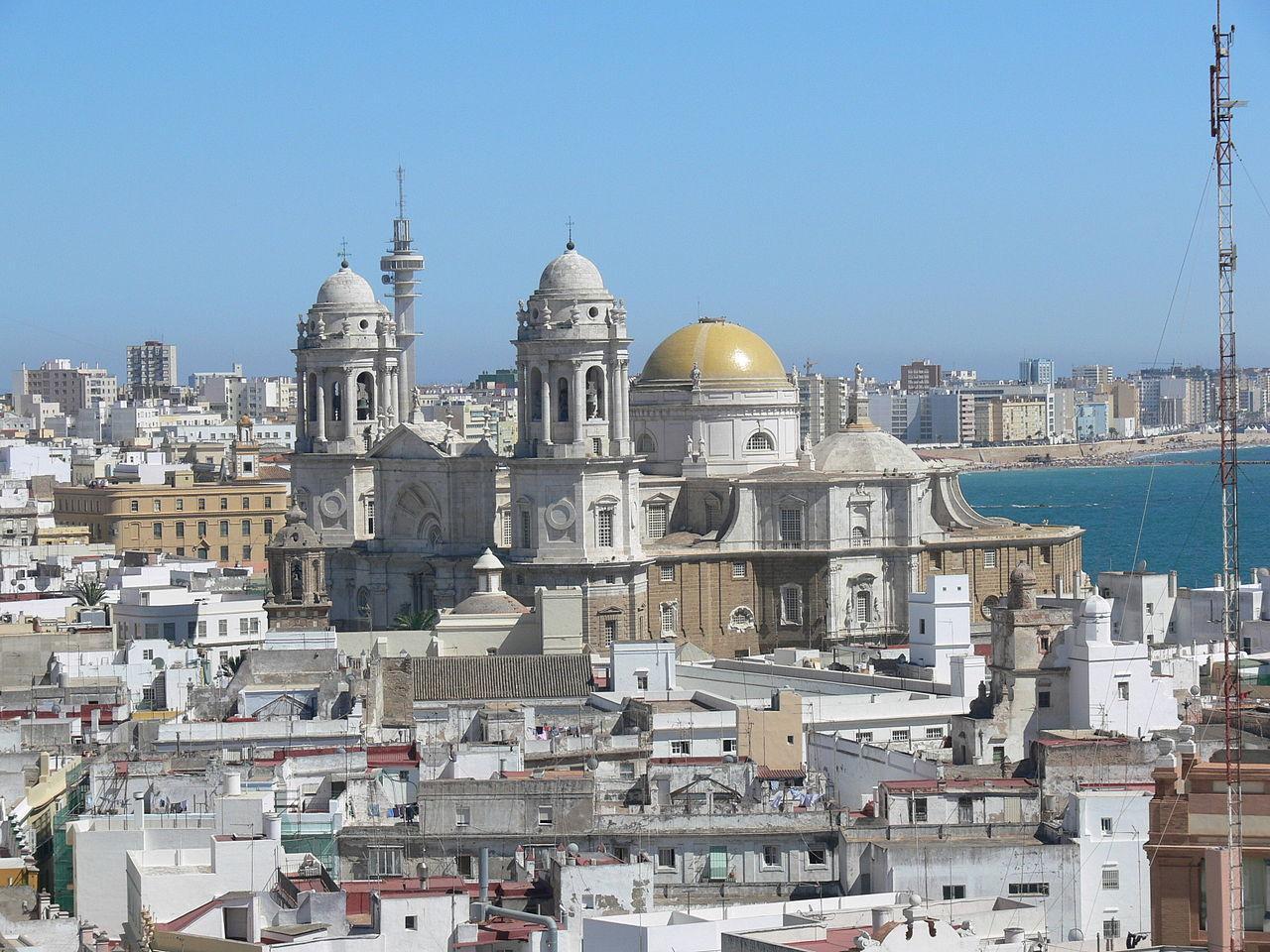
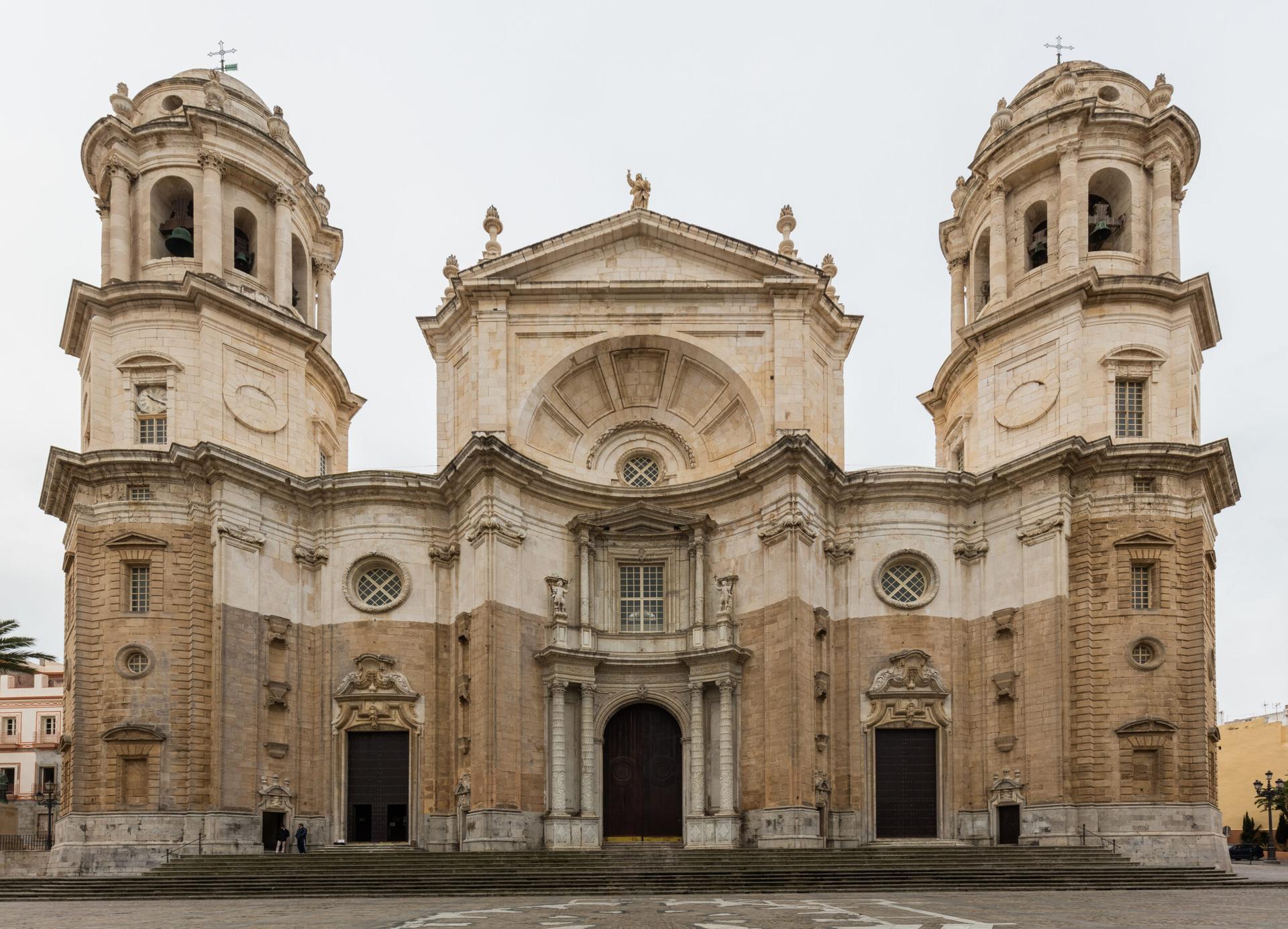
The Cathedral of the Holy Cross over the Waters in Cádiz, Spain. (Credit: Wikimedia.)
A preliminary investigation by the Roman Rota into the allegations against a Spanish bishop accused of sexual abuse of a minor has recommended that the Vatican open a full canonical penal process.
According to reports in the investigation carried out by the Roman Rota tribunal in Madrid into the allegations against Bishop Emeritus Rafael Zornoza of Cádiz and Ceuta interviewed a number of witnesses and found credible evidence.
Reportedly, one of the witnesses testified that they saw the bishop in bed with the former seminarian who alleged that Zornoza sexually abused him while he was between 14 and 21 years old.
The tribunal finished last week and is now waiting to hear whether the penal process will be opened.
The crime Zornoza is accused of is time-barred, so civil courts cannot prosecute him, but under canon law he can be tried.
When the Dicastery for the Doctrine of the Faith initially received the allegations last summer they deemed them credible and ordered the Archdiocese of Seville, of which Cádiz and Ceuta is a suffragan, to open an investigation.
Archbishop José Ángel Meneses of Seville then referred the canonical proceedings to the tribunal of the Roman Rota in Madrid, a step dioceses can take for particularly complex cases.
The Rota has sent its report to the Archdiocese of Seville so that it can send it to the Dicastery for the Doctrine of the Faith for review.
The allegations say the abuse took place in the 1990s in Getafe, when Zornoza was the rector of the seminary there. The complainant eventually left the seminary.
According to sources close to the case who spoke to Religion Digital, Zornoza maintains his innocence and has said that he feels betrayed by the Church.
“The Church has abandoned me, betrayed me, left me alone and the interrogation has been an ordeal,” he has been saying, according to sources close to the case.
In November, when the allegations were first published in El País, Zornoza referred to them as “unjust and false.”
However, Zornoza immediately stepped down from his role as bishop of Cádiz and Ceuta. Pope Leo XIV also confirmed that he was aware of the case and accepted the bishop’s resignation.
“The bishop himself has had to respond and maintains his innocence. An investigation has been opened, and we must allow it to proceed; depending on the results, there will be consequences,” the pontiff said.
The allegations were first sent to the Dicastery for the Doctrine of the Faith last summer which included a letter from the complainant.
“It was at night when he came to the room and I suffered the abuse. He got into my bed, caressed me and kissed me. In the mornings I also woke up the same way. At that time, I never said anything to him, paralysis controlled me,” he said.
“He told me that ‘my wound’ (that’s how he referred to my homosexuality) did not let me see things and to trust him,” he added.
The complainant alleges that these abuses began in 1994 when he was 14 and continued until he was 21 – he entered the seminary aged 18. Zornoza was 45 in 1994.
In the information initially sent to the Dicastery, the complainant alleges that Zornoza used confession as a means to “manipulate and control” him.
“After confessing my homosexual acts I would go to bed, and within minutes he would get into my bed and caress me,” he said.
Ten years after leaving the seminary, the complainant says he sent an email to Zornoza telling the bishop that after some time coming to terms with it, he felt that he’d been abused and manipulated. He said the bishop didn’t respond.
He later met in person with Zornoza and the complainant says that the bishop “acknowledged the manipulation and abuse.”
教皇は総会参加者たちへの挨拶で、Legion of Christ religious orderには触れず、創設者で2008年に死去したマシエルについても言及しなかったが、マシエルの犯罪が発覚した2010年にバチカンが命じた改革が、依然として進行中であることを示唆した。「Regnum Christiは、その存在を正当化する独自の霊的霊感(教会用語でカリスマと呼ばれるもの)をより明確に定義し、新たな統治様式を見出す必要がある」と指摘した。
バチカンによるLegion of Christ religious orderとRegnum Christiの調査では、権威の乱用や上層部による権力行使の方法など、カルト的組織に根深い問題が確認され、「浄化」のプロセスが必要だ、とされている。
Crux is dedicated to smart, wired and independent reporting on the Vatican and worldwide Catholic Church. That kind of reporting doesn’t come cheap, and we need your support. You can help Crux by giving a small amount monthly, or with a onetime gift. Please remember, Crux is a for-profit organization, so contributions are not tax-deductible.
今後に残された課題・問題として、保護に関する5年ごとのアンケートの完遂、保護担当部門などにおける教皇フランシスコの自発教令『Vos estis lux mundi』第2条 注²の要件の完全な遵守、聖職者養成危機に直面する東京教区が他教区から司祭を受け入れているが、審査プロセスの問題への対処、脆弱な立場にある成人の定義の明確化など保護ガイドラインの改訂、ガイドラインへの行政当局との協力に関する規定の明記、現在は存在しない加害者の管理・治療を行う施設の導入を挙げた。
さらに、性的虐待被害に対処する経験のある弁護士・法務実務者の教区における深刻な不足など、人的・財政的資源の不足、聖職者および司牧者に対する明文化した行動規範の欠如、聖職者たちの『Vos estis lux mundi』への認識・理解の不足、日本で非常に存在感のある修道会に関して、司教たちは説明責任と監督体制の複雑かつ不明確な力学について懸念を表明したが、修道会の会員による虐待疑惑を巡る司教と修道会の間の効果的な協力の欠如、「女性・児童の人権保護デスク」による「監査ガイドラインの検討」が行われたが検討の範囲は不明確で監査メカニズムが整備されていない—などを指摘した。
未成年者及び脆弱な成人保護の全国ガイドラインへの、「被害者への支援の提供、行政当局との連携」に関する規定の追加、同ガイドライン実施を監督する委員会の構成員、権限範囲、定款に関する情報の公表、 聖職者及び司牧者に関する行動規範の策定、聖職者向けに『Vos estis lux mundi』の具体的な内容を網羅した啓発活動の実施、教会の保護体制に対し強固な監査メカニズムを構築が必要としている。
・全国ガイドライン文書「未成年者及び脆弱な成人保護ガイドライン」は2021年に発効した。委員会は、申し立てへの対応及び加害者管理に関する特に強固な手順を特に評価する。特筆すべきは、この文書が教皇フランシスコの自発教令『Vos estis lux mundi(あなたがたは世の光)』² に定められた更新された保護関連規定を具体的に参照している点である。委員会はまた、新ガイドライン実施状況を監視する委員会の設置を評価する。
2:『Vos estis lux mundi』は教皇フランシスコの自発教令の形をとった使徒的書簡。「聖職者などによる未成年者に対する性的虐待との戦い」に努められた教皇フランシスコは、2019年2月に未成年者・弱者保護に関する世界各国・地域の司教協議会会長による会合を開かれ、真実と透明性をもって行動する教会の意志を確認。それをもとにこの自発教令を発出、被害者たちが虐待や暴力を届け出るための新しい手続きを定め、司教や修道会の長上らにとるべき態度を周知することに努められた。
・・・・・・・・
【今後への課題】
・当委員会は、司教協議会が保護対策に関する5年ごとのアンケート調査を完全に行う必要がなおもあることを指摘する。司教協議会は全教区に保護対策デスクを設置していると報告しているが、特に現地教会が直面する重大な課題を考慮すると、これらの組織が『Vos estis lux mundi』第2条・注₃・の要件の完全な遵守はなおも課題として残っている。
・当委員会は、聖職者および司牧者に対する明文化した行動規範が欠如しているを指摘する。司教たちは、聖職者たちが教皇フランシスコの教導権の一部を認識していないことについて懸念を表明した。これは聖職者たちが『Vos estis lux mundi』をどこまで認識・理解しているのかについて疑問を投げかけるものである。
【ATHOLIC BISHOP’S CONFERENCE OF JAPAN Profile Japan is a nation with 15 dioceses. It relies on the Catholic Bishops’ Conference of Japan as its episcopal conference. The Commission met with the Conference on 11 April 2024】
*Safeguarding overview
・The answers to the standard quinquennial questionnaire were very comprehensive. The Commission welcomes the commitment from the Conference to complete the supplemental safeguarding-specific quinquennial questionnaire.
・The Conference expressed interest in the Memorare Initiative in Japan.
・The Conference expressed interest in the Universal Guidelines Framework, including the Conference’s willingness to participate in the Universal Guidelines Framework pilot programme.
・The “Protection of the Human Rights of Women and Children Desk” is the main national office for safeguarding, under the leadership of Bishop Michael Gor Matsuura, Bishop of Nagoya.
・The Apostolic Nuncio in Japan, H.E. Mons. Francisco Escalante Molina, is very engaged on safeguarding.
・There are robust diocesan safeguarding offices in the Archdiocese of Osaka and the Archdiocese of Tokyo. The Commission thanks the local ordinaries for their leadership in the local Church’s safeguarding ministry and notes certain notably good practices in these diocesan offices, including a 24-hour reporting phone number and collaboration with lay experts for receiving reports.
・The national guideline document, “Guidelines for the protection of minors and vulnerable adults”, went into force in 2021. The Commission notes particularly robust protocols for responding to allegations and managing perpetrators. Notably, this document makes specific reference to the updated safeguarding-related provisions set out in Vos estis lux mundi. The Commission also notes the establishment of a committee to monitor the implementation of the new guidelines.
・The Conference has a Section of the Pastoral Care of Youth.
・There is an established priority for youth formation in many dioceses.
・The Conference has a Section for the Ongoing Formation of Priests.
・A particularly good practice is the Conference’s Day of Prayer and Penance for Victims and Survivors of Sexual Abuse, held annually. This Day of Prayer and Penance is also well publicized on the homepage of the Conference’s website. Moreover, the bishops proposed the idea that, on the Day of Prayer and Penance for Victims of Sexual Abuse, each diocese publish a statement of commitment to safeguarding.
・The Japan Catholic Committee for Justice and Peace’s gives consideration to specific initiatives to address gender inequality and LGBTQ discrimination in the local Church. The Commission also notes the commendable anti-discrimination work done by the Conference through their “Committee against BURAKU Discrimination through Human-Rights Approaches”. The Commission notes how the issues of gender inequality, anti-LGBTQ discrimination, and anti-Buraku discrimination have important safeguarding implications.
・The translation into Japanese and subsequent publication of Apostolic Constitution Pascite gregem Dei reforming Book VI of the Code of Canon Law on August 20, 2022. The Commission highlights this as a good practice, making this document accessible to the local Church.
・There are training courses for seminarians, including curriculum covering the dignity of persons, priests’ relationship with sexuality, and expectations of priests in ministry.
・The 2019 Bishops’ Survey on the Response to Sexual Abuse of Minors by Clergy and Religious.
・The Conference asks each diocese to annually produce an internal report about their respective initiatives in child protection and any reported allegations of abuse.
*Challenges
・The Commission notes that the Conference still needs to complete the safeguarding-specific quinquennial questionnaire.
・The Conference reports diocesan safeguarding desks in all dioceses, but these structures’ full compliance with the requirements of Vos estis lux mundi, Article 2*, is still a question to be explored, especially given important challenges faced by the local Church.
・The Archdiocese of Tokyo is suffering a vocations crisis and has made itself open to priests wishing to change their diocesan affiliation. This raises questions of proper vetting processes for clergy wanting to change affiliation.
・While the national guidelines provide good definitions, there are still questions about the definition of vulnerable adults, especially given a rise in cases involving vulnerable adults.
・The Conference acknowledges the need to update its safeguarding guidelines to include clearer case-management protocols.
・Many dioceses offer formation courses for lay people, but it is unclear if these formation courses include any provision for safeguarding.
・The Commission notes the different and complex cultural dynamics from non-Japanese immigrants participating in and leading ministry.
・One ecclesiastical province explicitly reported difficulties for victims/survivors in accessing counselling and therapy.
・There are inadequate provisions for victim/survivor accompaniment in the 2021 national guidelines.
・The Conference has stated its commitment to fully collaborating with the civil authorities, in accordance with Japanese law. However, the Commission notes a lack of formal provisions for collaborating with the civil authorities in the 2021 national guidelines.
・There is a linguistic challenge to overcome for all safeguarding material due to many immigrant priests and lay faithful in Japan.
・There are approximately 25,000 United States military troops on Okinawa, which adds a pastoral complexity to the region.
・The Commission notes the Conference’s criteria for communications in response to an allegation of abuse, but notes the lack of a specific protocol in place to ensure effective and culturally responsive public communications regarding abuse.
・There are no centres for the management and treatment of perpetrators, which creates linguistic challenges when perpetrators must then be sent to other countries for treatment.
・The Commission notes a significant shortage of trained lawyers and legal practitioners in the dioceses, as well as several dioceses that do not have an established diocesan tribunal.
・There are limited human resources to address cases of abuse with a robust victim-centered approach.
・Many of the dioceses in Japan are small, with very limited financial resources.
・The Commission notes the lack of a code of conduct to codify behavioural expectations for the clergy and pastoral agents. The bishops expressed concerns about the clergy being oblivious to some of Pope Francis’s magisterium. This brings into question the clergy’s knowledge of Vos estis lux mundi.
・The bishops expressed concerns about the complicated and unclear dynamics of accountability and oversight for religious congregations, which are very present in Japan. The Commission notes its own concern about the lack of effective cooperation between bishops and religious around allegations of abuse committed by religious.
・The Commission notes that in October 2021 there was an “examination of audit guidelines” by the Protection of the Human Rights of Women and Children Desk. The scope of this examination is unclear and there is no indication of any audit mechanism in place.
・The Conference stated the need to update its questionnaire to the dioceses regarding the annual collection of data concerning allegations of abuse. The Commission welcomes the Conference’s commitment to addressing this need.
*Recommendations
1. The bishops should promptly complete the safeguarding-specific quinquennial questionnaire.
2. The Conference should adopt the Memorare Initiative in Japan, in close collaboration with the men and women religious major superiors. The Commission recommends exploring the Conference’s “Combined Committee for Bishops and Religious” as a platform to promote this collaboration for a One Church approach to safeguarding. The Commission recommends that the Memorare Initiative particularly focus on enhancing the local Church’s offer of accompaniment to victims/survivors.
3. The bishops should implement their proposal for each diocese to publish a statement of their safeguarding commitment on the Day of Prayer and Reparation for Victims of Sexual Abuse. The Commission remains available to accompany this initiative.
4. The Commission recommends a joint conversation among the Commission, the Conference, and the Apostolic Nunciature to collaborate on the local Church’s safeguarding ministry.5. The Commission recommends the review and publication of the procedures in place for scrupulously vetting international clergy (both religious and diocesan) and pastoral agents working in the Church in Japan. The same procedures should apply for interdiocesan assignments or transfers.
6. The Liaison Council of Catholic Youth, which aims to exchange information and to facilitate interaction among its members from the different dioceses, should be leveraged to solicit youth contributions to safeguarding policy development.
7. The Commission recommends close collaboration between the Section of the Pastoral Care of Youth, the Section for the Ongoing Formation of Priests, and the Protection of the Human Rights of Women and Children Desk.
8. The Commission notes that “Protect All Life” was the theme of Pope Francis’s apostolic visit to Japan in 2019, and recommends that the Conference reflect on how Pope Francis’s teachings during his visit might inspire and animate the local Church’s safeguarding ministry.
9. All formation courses for lay people should include safeguarding modules.
10. The national guidelines should be updated to include further provisions for the offer of victim/survivor accompaniment services and collaboration with the civil authorities. The Commission remains available to accompany this guideline review.
11. The Conference should publish information regarding the membership, scope, and statutes of the new committee established to oversee the implementation of the new guidelines.
12. The Commission recommends the development of an effective and culturally responsive communication protocol in addressing abuse, one that can meaningfully build on the Conference’s existing criteria for communications. The Commission remains available to accompany this initiative.
13. A code of conduct should be developed to formalize behavioural expectations for the clergy and pastoral agents.
14. The Commission recommends a sensitisation campaign for the clergy covering the specifics of Vos estis lux mundi. dence, and in Europe and the U.S. the number was believed to be very low some tens of years ago. It could imply that the actual number of sexual abuses in Japan may well be much larger, several times larger at least”. The General Research Institute of the Convention on the Rights of the Child — Japan (civil society organisation) noted, “While 1,622 cases of child sexual abuse were reported to child guidance centres in 2016/17, the number of arrests on the ground of child sexual abuse was limited to 162 in 2016… One of the reasons why sexual abuse of children remains hidden is the lack of professionals who can conduct interviews of child victims in appropriate manners (forensic interviewing)”.
15. The Conference should share with the Commission the results of the “2022 Survey on the Formation of Permanent Deacons in Japan” and the “Lifelong Training Programme for Priests in the Churches of Japan”, for joint study and reflection.
16. A robust audit mechanism should be developed for the local Church’s safeguarding framework. The Commission remains available to accompany this initiative.
17. The Commission kindly requests examples from the Conference on the local Church’s experiences with reparations. The Commission’s study of Conversional Justice emphasises the broad range of practices included in the concept of reparations, beyond the provision of financial damages. The Commission welcomes the Conference’s wisdom on how the local Church can accompany the repair of harm caused to victims/survivors of sexual abuse in the Church, to supplement the Commission’s ongoing study across the Universal Church.
Findings from external sources
・The Commission notes the following relevant findings from the Committee on the Rights of the Child’s periodic review of Japan (last reviewed in 2019):
The Government of Japan reported 117 arrests in 2015 for child sexual abuse; 150 arrests in 2014; 103 arrests in 2013; 112 arrests in 2012; and 96 arrests in 2011.
The Government of Japan reported 1,521 consultations on sexual abuse handled by child consultation centres in fiscal year 2015.
The Citizens and NGOs Association for the U.N. Convention on the Rights of the Child Japan (civil society organisation) noted, “Sexual abuse has been estimated to be very low in Japan, and is believed to be much lower than in Europe and the U.S. However, there is not any statistical evidence, and in Europe and the U.S. the number was believed to be very low some tens of years ago. It could imply that the actual number of sexual abuses in Japan may well be much larger, several times larger at least”.
The General Research Institute of the Convention on the Rights of the Child — Japan (civil society organisation) noted, “While 1,622 cases of child sexual abuse were reported to child guidance centres in 2016/17, the number of arrests on the ground of child sexual abuse was limited to 162 in 2016… One of the reasons why sexual abuse of children remains hidden is the lack of professionals who can conduct interviews of child victims in appropriate manners (forensic interviewing)”.
Crux is dedicated to smart, wired and independent reporting on the Vatican and worldwide Catholic Church. That kind of reporting doesn’t come cheap, and we need your support. You can help Crux by giving a small amount monthly, or with a onetime gift. Please remember, Crux is a for-profit organization, so contributions are not tax-deductible.
最後に、各地域の様々な地方教会から、償いのための示唆に富む実践例が生まれている。トンガの伝統的な共同体による癒しの実践「フルイフィ」、米国における被害者・支援サービスの詳細な年次報告、ケニア・マラウイ・ガーナで進行中の保護ガイドライン見直しプロセス、そしてイタリア・ボルツァーノ=ブレッサノーネ教区による注目すべき真実を語る報告書『Il coraggio di guardare(見つめる勇気)』などが挙げられる。
Crux is dedicated to smart, wired and independent reporting on the Vatican and worldwide Catholic Church. That kind of reporting doesn’t come cheap, and we need your support. You can help Crux by giving a small amount monthly, or with a onetime gift. Please remember, Crux is a for-profit organization, so contributions are not tax-deductible.