☩「暴力を止め、民間人の命を守ることに全力を尽くして」-コンゴでの内戦激化、虐殺発生に訴え

FILE PHOTO: Suspected Islamist rebels from the Allied Democratic Forces (ADF), attack villages of MasalaFILE PHOTO: Suspected Islamist rebels from the Allied Democratic Forces (ADF), attack villages of Masala 

(2024.6.16 Vatican News)

   教皇フランシスコは16日、年間第11主日の正午の祈りの後で、ここ数週間にわたって多くの戦闘と虐殺が起きているコンゴ民主共和国の悲惨な状況を取り上げ、特に罪のない民間人の保護を、同国の当事者たちと世界の国々、機関に強く訴えられた。

 「コンゴ民主共和国東部から、衝突と虐殺の痛ましいニュースが届き続けています」とされた教皇は、「私は、暴力を止め、民間人の命を守るために全力を尽くすよう、国家当局と国際社会に訴えます」と述べられた。

 そして、犠牲者の中にキリスト教徒が多くいることも指摘され、彼らを「殉教者」という言葉で表現され、「彼らの犠牲は発芽して実を結ぶ種であり、勇気と一貫性をもって福音を証言することを私たちに教えてくれます」と続けた。

 そのうえで、教皇は、正午の祈りに参加した信者たちに、コンゴ以外でも世界中の戦乱に苦しむ人々のためにも祈るよう求められ、「ウクライナ、聖地、スーダン、ミャンマー、そして戦争で苦しむ人々がいるあらゆる場所で、平和を祈り続けることをやめないようにしましょう」と呼びかけられた。

現地からの報道によると、同国東部では5月4日から7日にかけて、反乱軍である連合民主軍(ADF)が北キブ州ベニの村々を襲撃、村民のバイクなどを奪い、家々に放火、42~80人が死亡している。脱出した村民はベニ市西部のキャサバやマバラコに避難しているが、マバラコの総合病院は、負傷者を含む患者であふれているという。また、この地域でのADFの攻撃で合わせて123人、あるいは約150人の民間人が殺された、との報道もある。

ADFはコンゴ東部に拠点を置き、この地域で30年近く活動してきた。イスラム教過激派”イスラム国”に忠誠を誓っており、都市や村々に頻繁に攻撃を仕掛け、多くの過激派グループが活動するこの地域の不安定化がさらに進んでいる。これとは別に、政府軍は、ルワンダとつながりのあるM23反乱軍とも戦闘を続けている。


(翻訳・編集「カトリック・あい」南條俊二)

2024年6月16日

☩教皇、 G7サミットのAIセッションで基調講演、『自律型致死兵器』の開発・使用に緊急再考求める

(2024.6.14  バチカン放送)

The Pope speaking to the G7

  教皇フランシスコは14日午後、イタリア南部プーリア開催中の先進7カ国首脳会議(G7サミット)の人工知能(AI)をテーマにした拡大セッションに参加され、その脅威と可能性、人類の未来に与える影響と国際協力の必要性などについて基調講演を行われた。出席は、議長国イタリアの招待を受けたもので、教皇のG7サミットへの参加は史上初めて。

 同日正午過ぎ、プーリア州ファザーノのG7会場、ボルゴ・エニャツィアに到着された教皇は、議長国イタリアのメローニ首相に迎えられ、国際通貨基金(IMF)のゲオルギエワ専務理事、ウクライナのゼレンスキー大統領、フランスのマクロン大統領、カナダのトルドー首相と個別に会談された。次いで、米国や日本などG7の首脳たちに招待国や国際機関の首脳も加えたAIをテーマにしたセッションに出席。

 基調講演で教皇は、「AIがすでに人間活動の広い分野で用いられ、人々の生活スタイル、社会的関係に今後ますます影響をもたらすことが見通される中、将来には人間のアイデンティティーの理解のあり方まで。その影響が及ぶでしょう」とされ、AIが与える可能性への熱狂と、その影響に対する恐れが共存する「AIをめぐる議論の両面性」に言及。「いずれにしても、AIの将来が真の知識、産業革命をもたらし、歴史的で複雑な変化に特徴づけられた、新しい社会システムの構築に貢献することは疑いようがありません」と語られた。

 また、「AIが知識へのアクセスの民主化、科学研究の増大的な進歩、重労働を機械に一任する可能性」を約束する一方で、「先進国と発展途上国の間に、また社会の支配階層と抑圧された階層の間に重大な不正義」をもたらし、「切り捨ての文化」が「出会いの文化」を追いやる可能性を指摘され、「これらの複雑な変化は、AI自体の技術発展の速さとも関連しており、それがAIを魅力的であると同時に恐怖をもたらす道具とする可能性を高め、適切に対応できる高度な考察を必要とさせている」と述べられた。

 そして、「人類および文明の歴史と切り離せない『道具の歴史』に注目され、「人自体が、兄弟姉妹たち、そして『共に暮らす家』に奉仕する『善の道具』としての召命を内側に秘めているにもかかわらず、人は道具を必ずしも善だけのために用いて来ませんでした… 『テクノロジーの道具』も、人類に奉仕する、という召命を保証されてこそ、人類の偉大さと尊厳だけでなく、地球とその住民を育て守るという使命を示すことができるでしょう」と指摘された。

 さらに、「テクノロジーについて語ることは、人間とは何か、その自由と責任、すなわち倫理について語ることでもあります」とされ、「単純な道具、たとえばナイフのような道具は、それを使う人の管理下にあり、それをどう使うかはその人にかかっていますが、AIは与えられた課題に自動的に適応することもでき、そのように設計された場合には、あらかじめ設定された目的に達するために、人の判断とは関係なく、独自の選択で動く可能性がある」ことに懸念を表明された。

 特に現在、一部の国で実用化に向けた開発が進んでいる『lethal autonomous weapons(自律型致死兵器)」を挙げ、「いかなる機械も、人の命を奪うようなことを選択させてはならない」と、その開発・使用について、緊急に再考するよう、首脳たちの求められた。「人は選ぶだけでなく、心を通して決断する力を持っています… 独自に選択する可能性のある力を持つ優れた機械を前に、決定は常に人間の側にあるべきことを明確に理解していなければなりません」と強調され、「もし私たちが、人々から自分自身と自分の人生について決定する力を取り上げ、機械の選択に依存させるなら、人類に希望のない未来を負わせることになるでしょう」と警告された。

 こうしたことから、教皇は「AIのプログラムの選択プロセス上に、人間による重要な管理の余地を保証し、それを保護する必要」を訴えられた。

 さらに、AIを用い、あらゆるテーマや題材の文章や画像をオンライン上で簡単に作れることについて、特にAIを使い慣れ、多用している学生たちに触れ、「生成系AIは、厳密には『生成的』ではありません。ビッグデータの中から情報を探し、要求に応じて、魅力的なスタイルで仕立てるものであり、新しい概念や分析を発展させるものではない」とされ、「ある概念や仮説が繰り返し見つけられるたびに、それらは『正当で有効なもの』と見なされていく。すでにあるコンテンツを再構成し、しばしば間違いや偏見を含んでいないかをチェックせずに定着化させ、時にはフェイクニュースを正当化しかねない、という意味で、『生成的』というより、むしろ『強制的』なのです」と語られた。

 そのうえで、「いかなるイノベーションも中立ではありません。テクノロジーは、ある目的のために生まれ、人間社会におけるそのインパクトを通し、社会的秩序や権力の形をもって、人の行動を促したり、妨げたりします」とされ、「AIにもそれは当てはまります。それが善を築くための道具であるなら、常にすべての人の善のために作られていなければなりません‥‥ 正しい使い方が一人ひとりに求められていると同時に、その正しい使い方が可能となり、多くの実りをもたらすように、そのための条件作りが政治に求められているのです」と、首脳たちに訴えられた。

 スピーチの後、教皇は、ケニアのルト大統領、米国のバイデン大統領、ブラジルのルーラ大統領と相次ぎ会談。インドのモディ首相、トルコのエルドアン大統領とも出会いと対話を持たれた。そして、午後9時前、プーリアを発ち、バチカンに戻られた。

 (編集「カトリック・あい」)

 教皇の基調講演の公式英語訳全文以下の通り。

Esteemed ladies and gentlemen,

I address you today, the leaders of the Intergovernmental Forum of the G7, concerning the effects of artificial intelligence on the future of humanity.

“Sacred Scripture attests that God bestowed his Spirit upon human beings so that they might have ‘skill and understanding and knowledge in every craft’ (Ex 35:31)”.[1] Science and technology are therefore brilliant products of the creative potential of human beings.[2]

Indeed, artificial intelligence arises precisely from the use of this God-given creative potential.

As we know, artificial intelligence is an extremely powerful tool, employed in many kinds of human activity: from medicine to the world of work; from culture to the field of communications; from education to politics. It is now safe to assume that its use will increasingly influence the way we live, our social relationships and even the way we conceive of our identity as human beings.[3]

The question of artificial intelligence, however, is often perceived as ambiguous: on the one hand, it generates excitement for the possibilities it offers, while on the other it gives rise to fear for the consequences it foreshadows. In this regard, we could say that all of us, albeit to varying degrees, experience two emotions: we are enthusiastic when we imagine the advances that can result from artificial intelligence but, at the same time, we are fearful when we acknowledge the dangers inherent in its use.[4]

After all, we cannot doubt that the advent of artificial intelligence represents a true cognitive-industrial revolution, which will contribute to the creation of a new social system characterised by complex epochal transformations. For example, artificial intelligence could enable a democratization of access to knowledge, the exponential advancement of scientific research and the possibility of giving demanding and arduous work to machines. Yet at the same time, it could bring with it a greater injustice between advanced and developing nations or between dominant and oppressed social classes, raising the dangerous possibility that a “throwaway culture” be preferred to a “culture of encounter”.

The significance of these complex transformations is clearly linked to the rapid technological development of artificial intelligence itself.

It is precisely this powerful technological progress that makes artificial intelligence at the same time an exciting and fearsome tool, and demands a reflection that is up to the challenge it presents.

In this regard, perhaps we could start from the observation that artificial intelligence is above all else a tool. And it goes without saying that the benefits or harm it will bring will depend on its use.

This is surely the case, for it has been this way with every tool fashioned by human beings since the dawn of time.

Our ability to fashion tools, in a quantity and complexity that is unparalleled among living things, speaks of a techno-human condition: human beings have always maintained a relationship with the environment mediated by the tools they gradually produced. It is not possible to separate the history of men and women and of civilization from the history of these tools. Some have wanted to read into this a kind of shortcoming, a deficit, within human beings, as if, because of this deficiency, they were forced to create technology.[5] A careful and objective view actually shows us the opposite. We experience a state of “outwardness” with respect to our biological being: we are beings inclined toward what lies outside-of-us, indeed we are radically open to the beyond. Our openness to others and to God originates from this reality, as does the creative potential of our intelligence with regard to culture and beauty. Ultimately, our technical capacity also stems from this fact. Technology, then, is a sign of our orientation towards the future.

The use of our tools, however, is not always directed solely to the good. Even if human beings feel within themselves a call to the beyond, and to knowledge as an instrument of good for the service of our brothers and sisters and our common home (cf. Gaudium et Spes, 16), this does not always happen. Due to its radical freedom, humanity has not infrequently corrupted the purposes of its being, turning into an enemy of itself and of the planet.[6] The same fate may befall technological tools. Only if their true purpose of serving humanity is ensured, will such tools reveal not only the unique grandeur and dignity of men and women, but also the command they have received to “till and keep” (cf. Gen 2:15) the planet and all its inhabitants. To speak of technology is to speak of what it means to be human and thus of our singular status as beings who possess both freedom and responsibility. This means speaking about ethics.

In fact, when our ancestors sharpened flint stones to make knives, they used them both to cut hides for clothing and to kill each other. The same could be said of other more advanced technologies, such as the energy produced by the fusion of atoms, as occurs within the Sun, which could be used to produce clean, renewable energy or to reduce our planet to a pile of ashes.

Artificial intelligence, however, is a still more complex tool. I would almost say that we are dealing with a tool sui generis. While the use of a simple tool (like a knife) is under the control of the person who uses it and its use for the good depends only on that person, artificial intelligence, on the other hand, can autonomously adapt to the task assigned to it and, if designed this way, can make choices independent of the person in order to achieve the intended goal.[7]

It should always be remembered that a machine can, in some ways and by these new methods, produce algorithmic choices. The machine makes a technical choice among several possibilities based either on well-defined criteria or on statistical inferences. Human beings, however, not only choose, but in their hearts are capable of deciding. A decision is what we might call a more strategic element of a choice and demands a practical evaluation. At times, frequently amid the difficult task of governing, we are called upon to make decisions that have consequences for many people. In this regard, human reflection has always spoken of wisdom, the phronesis of Greek philosophy and, at least in part, the wisdom of Sacred Scripture. Faced with the marvels of machines, which seem to know how to choose independently, we should be very clear that decision-making, even when we are confronted with its sometimes dramatic and urgent aspects, must always be left to the human person. We would condemn humanity to a future without hope if we took away people’s ability to make decisions about themselves and their lives, by dooming them to depend on the choices of machines. We need to ensure and safeguard a space for proper human control over the choices made by artificial intelligence programs: human dignity itself depends on it.

Precisely in this regard, allow me to insist: in light of the tragedy that is armed conflict, it is urgent to reconsider the development and use of devices like the so-called “lethal autonomous weapons” and ultimately ban their use. This starts from an effective and concrete commitment to introduce ever greater and proper human control. No machine should ever choose to take the life of a human being.

It must be added, moreover, that the good use, at least of advanced forms of artificial intelligence, will not be fully under the control of either the users or the programmers who defined their original purposes at the time they were designed. This is all the more true because it is highly likely that, in the not-too-distant future, artificial intelligence programs will be able to communicate directly with each other to improve their performance. And if, in the past, men and women who fashioned simple tools saw their lives shaped by them – the knife enabled them to survive the cold but also to develop the art of warfare – now that human beings have fashioned complex tools they will see their lives shaped by them all the more.[8]

The basic mechanism of artificial intelligence

I would like now briefly to address the complexity of artificial intelligence. Essentially, artificial intelligence is a tool designed for problem solving. It works by means of a logical chaining of algebraic operations, carried out on categories of data. These are then compared in order to discover correlations, thereby improving their statistical value. This takes place thanks to a process of self-learning, based on the search for further data and the self-modification of its calculation processes.

Artificial intelligence is designed in this way in order to solve specific problems. Yet, for those who use it, there is often an irresistible temptation to draw general, or even anthropological, deductions from the specific solutions it offers.

An important example of this is the use of programs designed to help judges in deciding whether to grant home-confinement to inmates serving a prison sentence. In this case, artificial intelligence is asked to predict the likelihood of a prisoner committing the same crime(s) again. It does so based on predetermined categories (type of offence, behaviour in prison, psychological assessment, and others), thus allowing artificial intelligence to have access to categories of data relating to the prisoner’s private life (ethnic origin, educational attainment, credit rating, and others). The use of such a methodology – which sometimes risks de facto delegating to a machine the last word concerning a person’s future – may implicitly incorporate prejudices inherent in the categories of data used by artificial intelligence.

Being classified as part of a certain ethnic group, or simply having committed a minor offence years earlier (for example, not having paid a parking fine) will actually influence the decision as to whether or not to grant home-confinement. In reality, however, human beings are always developing, and are capable of surprising us by their actions. This is something that a machine cannot take into account.

It should also be noted that the use of applications similar to the one I have just mentioned will be used ever more frequently due to the fact that artificial intelligence programs will be increasingly equipped with the capacity to interact directly (chatbots) with human beings, holding conversations and establishing close relationships with them. These interactions may end up being, more often than not, pleasant and reassuring, since these artificial intelligence programs will be designed to learn to respond, in a personalised way, to the physical and psychological needs of human beings.

It is a frequent and serious mistake to forget that artificial intelligence is not another human being, and that it cannot propose general principles. This error stems either from the profound need of human beings to find a stable form of companionship, or from a subconscious assumption, namely the assumption that observations obtained by means of a calculating mechanism are endowed with the qualities of unquestionable certainty and unquestionable universality.

This assumption, however, is far-fetched, as can be seen by an examination of the inherent limitations of computation itself. Artificial intelligence uses algebraic operations that are carried out in a logical sequence (for example, if the value of X is greater than that of Y, multiply X by Y; otherwise divide X by Y). This method of calculation – the so-called “algorithm” – is neither objective nor neutral.[9] Moreover, since it is based on algebra, it can only examine realities formalised in numerical terms.[10]

Nor should it be forgotten that algorithms designed to solve highly complex problems are so sophisticated that it is difficult for programmers themselves to understand exactly how they arrive at their results. This tendency towards sophistication is likely to accelerate considerably with the introduction of quantum computers that will operate not with binary circuits (semiconductors or microchips) but according to the highly complex laws of quantum physics. Indeed, the continuous introduction of increasingly high-performance microchips has already become one of the reasons for the dominant use of artificial intelligence by those few nations equipped in this regard.

Whether sophisticated or not, the quality of the answers that artificial intelligence programs provide ultimately depends on the data they use and how they are structured.

Finally, I would like to indicate one last area in which the complexity of the mechanism of so-called Generative Artificial Intelligence clearly emerges. Today, no one doubts that there are magnificent tools available for accessing knowledge, which even allow for self-learning and self-tutoring in a myriad of fields. Many of us have been impressed by the easily available online applications for composing a text or producing an image on any theme or subject. Students are especially attracted to this, but make disproportionate use of it when they have to prepare papers.

Students are often much better prepared for, and more familiar with, using artificial intelligence than their teachers. Yet they forget that, strictly speaking, so-called generative artificial intelligence is not really “generative”. Instead, it searches big data for information and puts it together in the style required of it. It does not develop new analyses or concepts, but repeats those that it finds, giving them an appealing form. Then, the more it finds a repeated notion or hypothesis, the more it considers it legitimate and valid. Rather than being “generative”, then, it is instead “reinforcing” in the sense that it rearranges existing content, helping to consolidate it, often without checking whether it contains errors or preconceptions.

In this way, it not only runs the risk of legitimising fake news and strengthening a dominant culture’s advantage, but, in short, it also undermines the educational process itself. Education should provide students with the possibility of authentic reflection, yet it runs the risk of being reduced to a repetition of notions, which will increasingly be evaluated as unobjectionable, simply because of their constant repetition.[11]

Putting the dignity of the human person back at the centre, in light of a shared ethical proposal

A more general observation should now be added to what we have already said. The season of technological innovation in which we are currently living is accompanied by a particular and unprecedented social situation in which it is increasingly difficult to find agreement on the major issues concerning social life. Even in communities characterised by a certain cultural continuity, heated debates and arguments often arise, making it difficult to produce shared reflections and political solutions aimed at seeking what is good and just. Thus aside from the complexity of legitimate points of view found within the human family, there is also a factor emerging that seems to characterise the above-mentioned social situation, namely, a loss, or at least an eclipse, of the sense of what is human and an apparent reduction in the significance of the concept of human dignity.[12] Indeed, we seem to be losing the value and profound meaning of one of the fundamental concepts of the West: that of the human person. Thus, at a time when artificial intelligence programs are examining human beings and their actions, it is precisely the ethos concerning the understanding of the value and dignity of the human person that is most at risk in the implementation and development of these systems. Indeed, we must remember that no innovation is neutral. Technology is born for a purpose and, in its impact on human society, always represents a form of order in social relations and an arrangement of power, thus enabling certain people to perform specific actions while preventing others from performing different ones. In a more or less explicit way, this constitutive power dimension of technology always includes the worldview of those who invented and developed it.

This likewise applies to artificial intelligence programs. In order for them to be instruments for building up the good and a better tomorrow, they must always be aimed at the good of every human being. They must have an ethical “inspiration”.

Moreover, an ethical decision is one that takes into account not only an action’s outcomes but also the values at stake and the duties that derive from those values. That is why I welcomed both the 2020 signing in Rome of the Rome Call for AI Ethics,[13] and its support for that type of ethical moderation of algorithms and artificial intelligence programs that I call “algor-ethics”.[14] In a pluralistic and global context, where we see different sensitivities and multiple hierarchies in the scales of values, it might seem difficult to find a single hierarchy of values. Yet, in ethical analysis, we can also make use of other types of tools: if we struggle to define a single set of global values, we can, however, find shared principles with which to address and resolve dilemmas or conflicts regarding how to live.

This is why the Rome Call was born: with the term “algor-ethics”, a series of principles are condensed into a global and pluralistic platform that is capable of finding support from cultures, religions, international organizations and major corporations, which are key players in this development.

The politics that is needed

We cannot, therefore, conceal the concrete risk, inherent in its fundamental design, that artificial intelligence might limit our worldview to realities expressible in numbers and enclosed in predetermined categories, thereby excluding the contribution of other forms of truth and imposing uniform anthropological, socio-economic and cultural models. The technological paradigm embodied in artificial intelligence runs the risk, then, of becoming a far more dangerous paradigm, which I have already identified as the “technocratic paradigm”.[15] We cannot allow a tool as powerful and indispensable as artificial intelligence to reinforce such a paradigm, but rather, we must make artificial intelligence a bulwark against its expansion.

This is precisely where political action is urgently needed. The Encyclical Fratelli Tutti reminds us that “for many people today, politics is a distasteful word, often due to the mistakes, corruption and inefficiency of some politicians. There are also attempts to discredit politics, to replace it with economics or to twist it to one ideology or another. Yet can our world function without politics? Can there be an effective process of growth towards universal fraternity and social peace without a sound political life?”.[16]

Our answer to these questions is: No! Politics is necessary! I want to reiterate in this moment that “in the face of many petty forms of politics focused on immediate interests […] ‘true statecraft is manifest when, in difficult times, we uphold high principles and think of the long-term common good. Political powers do not find it easy to assume this duty in the work of nation-building’ (Laudato Si’, 178), much less in forging a common project for the human family, now and in the future”.[17]

Esteemed ladies and gentlemen!

My reflection on the effects of artificial intelligence on humanity leads us to consider the importance of “healthy politics” so that we can look to our future with hope and confidence. I have written previously that “global society is suffering from grave structural deficiencies that cannot be resolved by piecemeal solutions or quick fixes. Much needs to change, through fundamental reform and major renewal. Only a healthy politics, involving the most diverse sectors and skills, is capable of overseeing this process. An economy that is an integral part of a political, social, cultural and popular programme directed to the common good could pave the way for ‘different possibilities which do not involve stifling human creativity and its ideals of progress, but rather directing that energy along new channels’ (Laudato Si’, 191)”.[18]

This is precisely the situation with artificial intelligence. It is up to everyone to make good use of it but the onus is on politics to create the conditions for such good use to be possible and fruitful.

Thank you.

2024年6月14日

☩「祈りが具体的な愛の業にならないなら、虚しい」-教皇、11月17日「貧しい人々のための世界祈願日」に向けたメッセージ

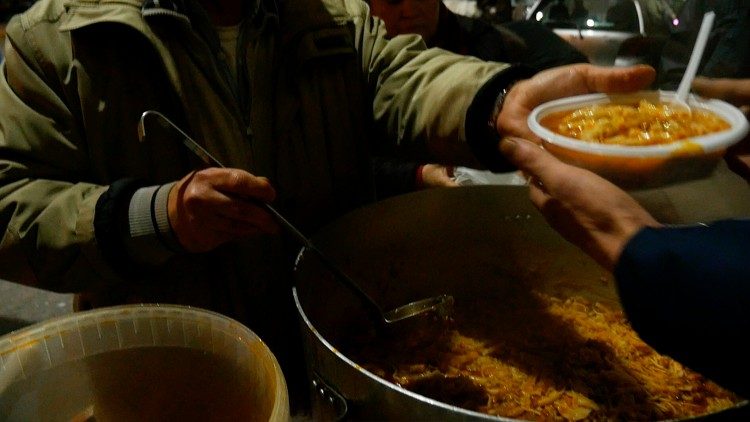
イタリアのカトリック系団体による夜の炊き出しイタリアのカトリック系団体による夜の炊き出し 

(2024.6.13 バチカン放送)

 11月17日のカトリック教会2024年度「貧しい人々のための世界祈願日」に先立ち、教皇フランシスコのメッセージが13日発表された。

 8回目となるこの世界祈願日に教皇が選ばれたテーマは「貧しい人の口から出る願いは、主の耳に達する」(旧約聖書続編シラ書=集会の書21章5節)。来年2025年の聖年の準備のための「祈りの年」として宣言された今年、重要な意味が込められている。

 メッセージの中で、教皇は「貧しい人々は、神の御心の中で特別な場所を占めており、神は、その一人ひとりの近くにおられます」とされ、「貧しい人々の祈りに耳を傾けられる神は、彼らの苦しみを前に、いたたまれない思いをされます。その思いは『主の裁きは、速やかに訪れる』(シラ書21章5節)という言葉にあるとおりです」と語られる。

 そして、「貧しい人のために祈り、彼らと共に謙遜と信頼をもって祈るように」と信者たちに促され、「『貧しい人々のための世界祈願日』は、私たちが暮らす町やコミュニティーにおける貧しい人たちの存在を意識し、彼ら必要としていることを理解する機会となります」と強調。

 また、戦争の暴力から、武力による誤った政策から生まれる「新たな貧しい人々」、多くの無辜の犠牲者たちに言及された。

 そのうえで、「祈りが本物であるかどうかは、具体的な愛の業によって確かめることができます。祈りと愛の業は互いを必要とし、祈りが具体的な業の形にならないなら、それは虚しいもの… 祈りを伴わない業は、長続きしない博愛になる恐れがあります」とされ、「祈りと愛の業の関係は、コルカタの聖テレサのように、多くの聖人たちが歴史の中で証ししてきました。マザー・テレサは『祈りは、貧しい人々に仕えるために、信仰と力を汲み取る場所だ』と繰り返されていました」と指摘された。

 「貧しい人々のための世界祈願日」は、「多くの時間を貧しい人への傾聴と支援に捧げる人々を思い出し、神に感謝を捧げる日でもあります」と述べられる教皇は、今年のメッセージを通し、「神を求め、また神の寄り添いの具体的なしるしとなる誰かを必要とする、貧しい人々へのより真剣で霊的な関心」を深めるよう、すべての人に呼びかけておられる。

(編集「カトリック・あい」)

2024年6月14日

◎教皇連続講話「聖霊について」③「聖霊は、聖書を生き生きと活動的なものにする」

Pope Francis waves to the crowd during his weekly General AudiencePope Francis waves to the crowd during his weekly General Audience 


2024年6月12日

☩「ガザの住民救済にあらゆる方法で緊急支援を」教皇、正午の祈りで

(2024.6.9 バチカン放送)

 教皇フランシスコは9日バチカンで行われた正午の祈りで、パレスチナ・ガザ地区の住民に対する緊急の人道支援を国際社会に呼びかけられた。

 11日にヨルダンでガザの人道状況をめぐる国際会議が開かれることに言及された教皇は、ヨルダン国王と、エジプト大統領、国連事務総長が召集したこの会議を和平にとって重要なものと位置付け、「戦争に苦しむガザ住民を救済するために、あらゆる方法を通して、緊急に行動するように」と訴えられ、「人道支援は必要な人に届かなければならない。誰一人それを妨げることはできません」と強調された。

 また、教皇は前日8日、イスラエルの故ペレス元大統領、パレスチナのアッバス大統領、エキュメニカル総主教バルトロメオス1世と共にバチカンで行われた平和のための祈りの集いから10年が経過したことを取り上げ、「あの出会いは、手を握り合うことは可能であり、平和を作ることは、戦争をするよりもより大きな勇気がいることを証しするものでした」と回想された。そして、当事者間で進行中の交渉について、「たとえそれが容易ではないとしても、すべての前線における停戦と人質の解放のための和平提案が、パレスチナとイスラエルの人々の善のために一刻も早く受け入れられるように」と願われた。

(編集「カトリック・あい」)

2024年6月10日

☩「自分は、キリストのように世俗的関心から自由か、それとも囚われているのか?」教皇、年間第十主日の正午の祈りで

(2024.6.9 Vatican News  Deborah Castellano Lubov)

 教皇フランシスコは9日、年間第十主日の正午の祈りに先立つ説教で、この日のミサで読まれた福音(マルコ3章20-35節)を取り上げ、「イエスの自由」について考察され、信者たちに対して、「金銭、権力、外見から自由なイエスから学ぶように」と強く促された。

(バチカン放送)

 教皇の説教の要旨は次のとおり。

**********

 今日のミサで読まれた福音は、イエスが公生活を始めてから、二種類の人々の反応と直面することになった、と語っています。イエスが「気が変になっている」と心配しる身内の人たち、そして、イエスが悪霊に取りつかれて行動していると非難する律法学者たちです。

 実際には、イエスは聖霊の力によって説教し、病人を癒しておられました。まさに聖霊こそが、イエスに神的な自由、すなわち際限なく無条件で愛し奉仕しする力をもたらしていたのです。このイエスの自由について考察してみましょう。

 イエスは富の前で自由でした。貧しく不安定な生活を選び、故郷ナザレの安定した生活を捨てました( マタイ福音書6章25-34節参照)。そして、病者や助けを求める人皆を無償で癒し、報酬を求めませんでした(同10章8節参照)。

 イエスは権力の前で自由でした。多くの人にご自分についてくるように、と促しながら、誰にも強制することはされません。権力者の支援を求めることも決してなさいませんでした。イエスは常に貧しい人々の側に立ち、弟子たちにもそうするようにと教えられました( ルカ福音書22章25-27節)。

 そしてまた、イエスは名声や他人に認められようとする欲求からも自由でした。そのために理解されず、人気を失っても、十字架上の死に至るまで、真理を述べることを恐れたりせず( マルコ福音書3章21節)。臆病にならず、他者との間で買収したり、されたりすることもありませんでした(マタイ福音書10章28節)。

 イエスは自由な人でした。このことは、私たちにとっても大切です。私たちが享楽や、権力、お金、承認の追求に振り回されるなら、そのような物事の奴隷になってしまいます。反対に、神の無条件の愛に心を開き、自分の全存在をもって、恐れも計算もなく、他者のためにも愛をあふれさせることができるなら、私たちは自由の中に成長し、自由のよい香りを広げることができるでしょう。

 自問しましょう。「私は自由な人間だろうか。それとも、お金や、権力、成功の神話に囚われ、そのために自分や他者の平和を犠牲にしているだろうか」「自分が暮らし、働く場所に、自由で誠実で自然な、さわやかな空気を振りまいているだろうか」と。

 おとめマリアよ、イエスが教えられたように、私たちが神の子としての自由のうちに、生き、愛することができるよう、お助けください(ローマの信徒への手紙8章15節、20-23節)。

(編集「カトリック・あい」)

2024年6月9日

☩「 パレスチナとイスラエルの共存が実現しますように!」教皇、「平和の祈り」10周年イベントで

(2024.6.7 Vatican News  Deborah Castellano Lubov )

    教皇フランシスコは7日、イスラエルとパレスチナの当時の指導者らとともにバチカン庭園で行われた「平和への祈り」の10周年を8日に迎えるにあたって、「聖地での戦争が終わるよう毎日祈っている」こと、「戦争で問題を解決できると考えるのは欺瞞だ」という確固たる信念を改めて表明された。


*「紛争当事者が、平和と統一への道を速やかに見つけられるように」


 「私は毎日、この戦争が終わりを迎えることを祈っています…」-教皇は7日夜、10年前にバチカン庭園で行われた歴史的な「平和への祈り」を記念するイベントで語られた。イベントには、ラビ・アルベルト・フナロ、イタリア・イスラム文化センター事務局長のアブデラ・レドゥアン、そしてイスラエルとパレスチナ両国の聖座駐在大使たちが参加。教皇は、当時のイスラエルのシモン・ペレス大統領、パレスチナ自治政府のマフムード・アッバス大統領、コンスタンティノープル総主教バルトロメオス1世が植えたオリーブの木の下で、「国家の指導者と紛争当事者が、平和と統一への道を見つけられるように」と主に祈るよう求められた。

 さらに教皇は、「パレスチナ国とイスラエル国が共存し、敵意と憎しみの壁を打ち破り、永続的な平和を実現するために、私たち全員が努力し、力を尽くさねばなりません。私たちは皆、エルサレムを大切にしなければなりません。そうすれば、エルサレムは国際的に保証された特別な地位によって保護され、キリスト教徒、ユダヤ教徒、イスラム教徒の兄弟愛の出会いの街となるでしょう」とされ、「私たち全員が、パレスチナ国とイスラエル国が共存できる永続的な平和を実現するために努力し、全力を尽くさなければなりません」と繰り返された。


*「私たちも、出会いに、対話に、交渉に『イエス』と言おう」


 そして、「出会いには『イエス』、紛争には『ノー』と言う勇気が必要です。対話には『イエス』、暴力には『ノー』。交渉には『イエス』、敵対行為には『ノー』と言う勇気が必要です」と強調された。「悲劇的な紛争が続くこの時代に、平和な世界を築くという新たな決意が必要です」とされた教皇は、「すべての信者と善意の人々」に、「平和を夢見ることをやめず、平和の関係を築くことをやめないようにしましょう!」と訴えられた。

 また教皇は、「『戦争が問題を解決し、平和をもたらす』という考えは、自分を欺いているだけです」と批判、「今日支配的になっている『紛争、暴力、崩壊は社会の正常な機能の一部だ』と主張するイデオロギーを警戒し、批判的立場をとる必要があります」と忠告。パレスチナとイスラエルの両国が「共存」できる永続的な平和のために努力するよう、全ての人々に訴え、全ての関係者に「エルサレムを大切にし、国際的に保証された特別な地位によって守られ、キリスト教徒、ユダヤ教徒、イスラム教徒の兄弟的な出会いの街となるようにすることを呼びかけられた。

*「ガザでの瓦礫から武器をなくし、流血を一刻も早く止めよ」


 教皇は、イスラエルとパレスチナで苦しんでいるすべての人々、キリスト教徒、ユダヤ教徒、イスラム教徒のことを思い、ガザでの大虐殺を終わらせ、イスラエル人人質を解放するための停戦を求める訴えを改めて表明された。「ガザの瓦礫の中から、武器をなくすという決断がされることがいかに緊急であるかを私は考えます… そしてイスラエル人人質の家族… できるだけ早く解放してほしい」と求められた。

 また、パレスチナの人々の保護を求め、彼らが「必要な人道支援をすべて受けられるように」、また戦闘により避難を余儀なくされた無数の人々の家ができるだけ早く再建され、「平和のうちに元の場所に戻れるように」と求められた。

*「『新しい日』への希望を持ち続けよう」

 教皇は、涙と苦しみの中で「新しい日の到来を望み続け、平和な世界の夜明けをもたらすよう努めているパレスチナ人とイスラエル人」に特別な形で寄り添いを示され、主が慈悲深く、このイベントに集まった人々の祈りに耳を傾け、平和の賜物を授けてくださるよう祈られた。

 「平和は書面による合意や人間的、政治的妥協によってのみ実現されるものではありません。そうではなく、回心することから生まれ、私たち一人ひとりが神の愛に出会い、感動したときに生まれるのです。神の愛は、私たちの利己心を消し去り、偏見を打ち砕き、友情、友愛、相互連帯の味と喜びを与えてくれます。神自身がまず私たちの心を武装解除し、親切で、思いやりがあり、慈悲深いものにしない限り、平和はあり得ません」と強調された。

*「10年前の『平和の祈り』を改めて捧げよう!}

 平和を夢見ることは、「人類がひとつの家族の一員であるという予期せぬ喜びを与えてくれます」と語られた教皇は、ヴェローナへの司牧訪問中に、イスラエル人とパレスチナ人の父親たちが皆の前で抱き合ったときの喜びを思い起され、「イスラエルとパレスチナに必要なのは、平和の抱擁です!」と訴えられた。そして、イベントの出席者に対し、国家の指導者と紛争当事者が平和と統一への道を見い出せるよう、主の執り成しを願るように呼びかけられ、10年前の祈願で唱えられた以下の祈りを暗唱するよう求められた。

Prayer for Peace (英語公式訳)

8 June 2014

“Lord God of peace, hear our prayer!
We have tried so many times
and over so many years
to resolve our conflicts by our own powers and by the force of our arms.
How many moments of hostility and darkness have we experienced;
how much blood has been shed;
how many lives have been shattered;
how many hopes have been buried…
But our efforts have been in vain.
Now, Lord, come to our aid!
Grant us peace, teach us peace; guide our steps in the way of peace.
Open our eyes and our hearts,
and give us the courage to say: “Never again war!”;
“With war, everything is lost”.
Instil in our hearts the courage to take concrete steps to achieve peace.
Lord, God of Abraham, God of the Prophets, God of Love,
you created us and you call us to live as brothers and sisters.
Give us the strength daily to be instruments of peace;
enable us to see everyone who crosses our path as our brother or sister.
Make us sensitive to the plea of our citizens
who entreat us to turn our weapons of war into implements of peace,
our trepidation into confident trust,
and our quarreling into forgiveness.
Keep alive within us the flame of hope,
so that with patience and perseverance
we may opt for dialogue and reconciliation.
In this way may peace triumph at last,
and may the words “division”, “hatred” and “war”
be banished from the heart of every man and woman.
Lord, defuse the violence of our tongues and our hands.
Renew our hearts and minds,
so that the word which always brings us together will be “brother”,
and our way of life will always be that of: Shalom, Peace, Salaam!
Amen.”

「平和の祈り」(日本語「カトリック・あい」仮訳)

平和の神である主よ、私たちの祈りをお聞きください!

 私たちは、自分たちの力と武力で紛争を解決しようと、何度も何年も試みてきました。

 私たちはどれほど多くの敵意と暗闇を経験し、どれほど多くの血が流され、どれほど多くの命が砕かれ、どれほど多くの希望が葬り去られたことでしょう… しかし、私たちの努力は無駄でした。

 今、主よ、私たちを助けに来てください! 私たちに平和を与え、平和を教え、平和の道へと歩みを導いてください。 私たちの目と心を開き、 「二度と戦争は起こしてはならない!」と言う勇気を与えてください。 「戦争があれば、すべてが失われる」と。 平和を達成するために具体的な一歩を踏み出す勇気を私たちの心に植え付けてください。

アブラハムの神、預言者の神、愛の神である主よ、あなたは私たちを創造し、兄弟姉妹として生きるよう呼びかけておられます。

 平和の道具となる力を日々与えてください。 私たちの道を渡るすべての人を兄弟姉妹として見ることができるようにしてください。戦争の武器を平和の道具に、不安を確信に、争いを許しに変えるよう懇願する国民の嘆願に、私たちが敏感になれるようにしてください。忍耐と根気強さで対話と和解を選べるよう、私たちの中に希望の炎を灯し続けてください。

 こうして平和がついには勝利し、あらゆる人々の心から「分裂」「憎しみ」「戦争」という言葉が消え去りますように。主よ、私たちの舌と手の暴力を鎮めてください。私たちの心と精神を新たにしてください。

 そうすれば、私たちをいつも結びつける言葉は「兄弟」となり、私たちの生き方はいつも「シャローム、平和、サラーム!」となるでしょう。アーメン。

(翻訳・編集「カトリック・あい」南條俊二)

2024年6月8日

☩「司祭、修道者の召命減少を諦めをもって眺めてはならない」-教皇、聖職者省の総会参加者たちに

教皇フランシスコと教皇庁聖職者省・定例総会参加者との集い 2024年6月6日 バチカン宮殿教皇フランシスコと教皇庁聖職者省・定例総会参加者との集い 2024年6月6日 バチカン宮殿  (VATICAN MEDIA Divisione Foto)

(2024.6.6 バチカン放送)

 教皇フランシスコは6日、バチカン聖職者省の定例総会の参加者とお会いになり、総会の3つの重要テーマである「司祭の生涯養成」「召命の促進」「終身助祭」について、それぞれ助言された。

 「司祭の生涯養成」については、「司祭も主に続いて歩む弟子であり、その養成は恒久的な歩みであるべきです」とされ、「特に、目まぐるしく変化する今の世界では、『神学校で一度、養成するだけで、すべての基礎を据えるのに十分』と思い込むべきではありません」と忠告。

 「福音宣教にふさわしい方法を探し、現在の新しい問題に対応するために、人間的な成熟と霊的な成長を促すプロセスで、神学校がすでに持っている要素を強化、発展させることが求められています」と強調された。

 また教皇は、「司祭は独りでは歩めません」とされたうえで、「個人生活、司牧生活の”嵐の海”では、寄り添いと帰属の感覚を持つことが”救命具”になります」と指摘、そのために「司教、司祭、修道者、教会の組織や、運動グループなどと兄弟的なネットワークを作ることが必要です」と語られた。

 「召命の促進」に関しては、「世界の多くの場所で、司祭や修道者への召命の減少が見られ、召命の火がほとんど消えそうな国々もある」と憂慮され、さらに、「努力と使命を伴う結婚の召命も、減少傾向にあること」にも言及された。

 しかし、「多くの若者にとって『自分の人生を徹底的に捧げる』という未来の可能性が消えつつある状況を、ただ諦めをもって眺めではならず… この問題について共に考え、司祭への召命を地方教会と協力しながら育てていく必要があります」と説かれた。

 「終身助祭」については、「昨年10月の世界代表司教会議総会の第一会期の総括資料で、第二バチカン公会議以降の助祭職のあり方について、そのさまざまな役割がどのように生かされているか吟味するよう提案されていまする」と指摘され、「終身助祭」のあり方などについて、聖職者省が一層の考察と取り組みを行うよう求められた。

(編集「カトリック・あい」)

2024年6月7日

☩「人生の教訓は家庭で学ぶ、教会はコミュニティの中で育つ」教皇、ローマの共同住宅のガレージで「祈りの学校」

Pope Francis holds third appointment of his 'School of Prayer' in garage of Roman condominium Pope Francis holds third appointment of his ‘School of Prayer’ in garage of Roman condominium   (ANSA)

フィアット 500Lに乗って会場に来られた教皇は、 「皆さん、こんばんは」とあいさつされ、会衆は拍手と「Viva il Papa!」と叫んで出迎えた。


*「家族を大切にしよう。言い争いを翌日に持ち越すな」

 アームチェアに腰掛けられた教皇は、好奇心あふれた目で、ガレージの周囲、「壁… 植物… トマト…」を見回され、参加者に、「皆さんは家族です。若者、若くない人、年配の人、いつも家族です」と語りかけ、家族、その課題と困難、教会と社会にとっての素晴らしさと可能性についてお話になった。

 「家族を守りましょう。家族は、子どもを育てる上で欠かせません」とされたうえで、教皇は、「(家族の間での)言い争いや口論、時には別居が避けられないこともあるでしょう。でも、そのような『嵐』にめげてはなりません… 両親が口論するのは普通のことですが、その日のうちに和解すべきです。翌日に持ち越される”冷戦”はひどいものですから」と繰り返された。

 そして、これまでの教皇在位中ずっと言い続けて来られた、とてもシンプルだが家族の関係をうまく機能させるために欠かせない3つのキーワード「ごめんなさい、お願いします、そして…ありがとう」を提示された。さらに、「最もシンプルな感謝の言葉でも、その時の振る舞いで違いが出る」と指摘。「おいしい夕食を作ってくれてありがとう…」という言葉の後で、次の日を新たに始めるための小さなジェスチャーをするように勧められた。

 「日々の小さなステップが、子供たちにとって特に重要です。子供たちは、私たちを見ています」とされ、ヴィットリオ・デ・シーカ監督の1944年の映画を引用して、「子供たちは、両親が仲が悪いのを見て、苦しむこと」を思い起こさせた。また、別居中の両親はお互いを悪く言わず、子供たちに敬意について教えるよう勧められた。


Pope Francis at third encounter of 'School of Prayer'

*「若者の使命は歴史を継承すること」

 参加者との対話で、4人の若者が「今日、信仰を高めるにはどうすればいいでしょうか」と尋ねたのに対して、教皇は「その唯一の方法は、証言することです」と答えられ、「あなた方には、歴史を継承する責任がある… そのために、苦しい時にも、決して落ち込んではなりません。若い人の素晴らしいところは、立ち上がることにある」とされ、「人生では誰もが失敗しますが、大切なのは失敗しても、そのまま倒れたままにならないことです」と励まされた。

*「あなたは大きなコミュニティを先導する父親…」

 また、ある男性は、「この地域にもっと大きな教会を建て、近隣住民全員の集会の場にしたい」と希望を述べ、「教会は単なる礼拝の場ではなく、人々のコミュニティだ」との意見もあった。ローマのこの地域は、他の地域に比べて、教会の存在がはるかに小さいという。

 ある女性は、「世界子どもの日、あなたのスピーチから、私たちに伝わってきたのは、小さなこと、本当のことで大きなコミュニティを先導する父親の姿です」と語り、「そして今、レンガの壁の前におられるあなたを見るのが一番感動的です… あなたがここにおられると、私たちのコミュニティの一員であると感じます」と続けた。

*「教会はコミュニティの中で育てられる… 年配者を無視しない」

 こうした意見を聞いたうえで教皇は、「教会はコミュニティの中で育てられます」とされ、改めて、年配者たちを無視しないこと、子供たちのケアをすることの重要性を指摘。「子供の声が聞かれず、高齢者が無視される教区は、真のキリスト教コミュニティではありません… 年配者たちは『記憶』であり、子供たちは『約束』であることを忘れないでください」と人々に求められた。

 さらに、「『神の民の記憶』である高齢者を忘れないでください… 私たち年配者は若い人たちにとって退屈なときがあります。いつも同じこと、戦争などについて話すからですが、私たち年配者には大きな優しさがあり、子どもたちは優しさの言葉を理解します」と付け加えられた。

*「家族が信仰を保ち続けるには、まず夫婦が互いを愛すること」Pope Francis surprises Romans at third encounter of 'School of Prayer'

 子どもについて、2人の父親が、今の困難な時代に信仰を保ち続けるにはどうしたらいいか、子どもが堅信を受けた後も教会から離れないようにするにはどう育てたらいいか、教皇に尋ねた。

 教皇は、「私の最初のアドバイスは、親として夫婦が互いを愛することです… 子どもは『ママとパパがお互いを愛している』と感じる必要があるからです。言い争いをせねばならなくなったら、子どもの前ではしないこと、寝かしつけてから、好きなだけ口論してください」。そして、「同じように大切なのは、子どもたちとの対話。子どもたちと話すのを決してやめないでください。教育は対話を通じて行われます」とされ、「決して放っておかず、しかし、非難したりプレッシャーをかけたりせず、最終的には自由にさせること。それが最善のアプローチです」と答えられた。

 「何でも話せるのだ、ということを彼らに理解させてください… 人生の教訓は、家庭で学ぶものであり、何を教えたらいいかか分からない他人から学ぶものではありません」と付け加えられた。

 集会の最後に、教皇が参加した人たち全員にあいさつされ、ロザリオを配り、さまざまな写真撮影のリクエストに応じ、さらには孫の携帯電話でスカイプを介して、集会に出られなかった「おばあちゃんマリア」と会話され、「こんにちは、私のために祈ってください!」と語りかけられた。

 そして、贈り物として、教皇は「建物の中に置いておくように」と聖母マリアが幼子イエスを抱く絵を残され、住民の誰も想像できなかった会合の具体的な思い出となるようにされた。

(翻訳・編集「カトリック・あい」南條俊二)

2024年6月7日

☩「戦争は人々と歴史を前にした重大な過ち、神の御前における罪」ー ノルマンディー上陸作戦80年で

ノルマンディー米軍戦没者墓地 フランス、コルヴィル・シュル・メールノルマンディー米軍戦没者墓地 フランス、コルヴィル・シュル・メール  (ANSA)

(2024.6.5 バチカン放送)

 連合軍によるフランスのノルマンディー上陸作戦から6月6日で80年を迎え、前日5日夕、バイユーのカテドラルで捧げられたミサに合わせて、教皇フランシスコが参列者にメッセージをおくられた。

 教皇は、仏バイユー=リジュー教区のジャック・ユベール司教への書簡を通して、行政・教会・軍の関係者をはじめ、ミサに参列したすべての人々におくられたメッセージで、「ノルマンディー上陸作戦という、自由を取り戻すための大規模な驚くべき合同の努力を振り返ると共に、そのために払われた多大な命の犠牲 – 戦死した兵士たちの多くは遠い国から作戦に加わった若者たち」だったことに深く心を留められた。

 同時に教皇は、完全に破壊されたノルマンディーのたくさんの都市、そして爆撃の犠牲となった無数の無辜の市民を悲しみのうちに思い出されるとともに、「この作戦がより一般的に呼び起こすものは、子どもを含む多くの人々を苦しませ、家族たちを引き裂き、膨大な破壊をもたらした、あの恐ろしい世界大戦の悲劇です」とされたうえで、「戦争を非難し拒否することなしに、また聖パウロ6世が1965年国連で演説した時のように、『戦争を二度と繰り返してはならない』と叫ぶことなしに、この出来事を記憶することは無駄であり、また偽善です」と強調された。

 さらに、「この数十年間、過去の過ちの記憶は、新たな世界大戦を勃発させることがないように、可能な限りの努力を尽くそうとする人々の確固たる意志を支えてきました。しかし、今日、それとは異なる情勢を見ることで、人間の記憶とは長続きしないものと、悲しくも考えざるを得ません」と述べられ、80周年を記念することが、反戦への思いを取り戻す機会になるように、と願われた。

 教皇は重ねて、「仮定とされていた対立の広がりが、改めて真剣に考慮されるようになり、人々がこの容認し難い不測に少しずつ慣らされていくのは憂慮すべきこと」と嘆かれるとともに、「人々は平和を欲し、安定と安全、発展を望み、その中で各自が自分の義務と使命を果たそうとしています。この尊い秩序をイデオロギー的、国家主義的、経済的な野心のために破壊することは、人々と歴史を前にした重大な過ちであり、それは神の御前における罪です」と言明。

 バイユーのカテドラルに集った人々と祈りのうちに一致したい、とされ教皇は、「戦争を望む人々に回心が訪れるように、また平和のために働く人々の努力が実るように」と祈られた。そして、過去と現在の戦争のすべての犠牲者の冥福を祈ると同時に、「今日の戦争に苦しむすべての人々、特に戦争の悲劇の一番の被害者である、貧しく、弱い立場の人々、お年寄り、女性、子どもたちを助けてください」と神に祈られた。

(編集「カトリック・あい」)

2024年6月6日

◎新教皇連続講話「聖霊と花嫁」②「聖霊は私たちを真に自由にする」

  (2024.6.5 バチカン放送)

 教皇の講話の要旨次の通り。

**********

 今日の講話では、聖霊が聖書の中で呼ばれている名前について考えてみたいと思います。

 私たちがある人物について最初に知ること、それは名前です。それによってその人を呼び、認識し、記憶します。聖三位一体の三番目のペルソナも名前を持っています―聖霊です。しかし、聖霊を指す「スピリトゥス」という呼び方はラテン語化されたものです。最初に聖霊を啓示された人々が知った名前、預言者や、詩編作者、マリア、イエス、使徒たちが呼び祈った名前、それは風や息を意味する「ルーアハ」という名でした。

 聖書において、名前はその人物と同化されるほど重要なものでした。神の名を聖なるものとすることは、神ご自身を聖なるものとし、敬うことでした。名前は単に一般的な呼称ではなく、常に個人的な何か、その起源や、使命を物語っています。「ルーアハ」も同様に、聖霊のペルソナの本質を啓示し、その役割を示しているのです。

 聖書を記した人々が神に導かれ「風」の様々な性質を発見したのは、まさに風とその現象を観察することによってであった。聖霊降臨の際、聖霊が「激しい風が吹いてくるような音」を伴い、使徒たちの上に降りてきたのは偶然ではなかった。あたかも聖霊がそこで起きていることに、ご自分の名を記すかのようでした。

 ところで、聖霊の「ルーアハ」という名の意味するものは何でしょう。風のイメージは、何よりも神の霊の力を表現するのに用いられています。「聖霊と力」、あるいは「聖霊の力」という表現にあるように、聖霊と力は、聖書全体を通して対になっています。風は圧倒的で抑えがたい力であり、それは海をも揺さぶる力なのです。

 しかし、この場合も、聖書的な完全な意味を知るためには、旧約聖書にとどまらず、イエスにまで到達しなくてはなりません。イエスは風について「力」の他に、もう一つの性質を付け加えておられます。それは、風の「自由」という性質である。イエスは夜訪ねて来たニコデモに、「風は思いのままに吹く。あなたはその音を聞いても、それがどこから来て、どこへ行くかを知らない。霊から生まれた者も皆そのとおりである」(ヨハネ3章8節)と語られました。

 風は、捕まえて瓶や箱に詰め込むことができません。聖霊も、概念や定義の中に閉じ込めることは、それを失うか、人的な霊に縮小してしまうことになります。教会の中にも、聖霊を教会法や制度や定義の中に閉じ込めようとする誘惑があります。聖霊は組織を作り、活気づけますが、聖霊自体を組織化することはできません。風は「思いのままに」吹くように、聖霊はご自分の賜物を「望むままに」分け与えられるのです(コリントの信徒への手紙1・12章11節参照)。

 聖パウロは、キリスト者の行動の本質的な掟のために全力を尽くしました。聖パウロは言います―「主の霊のあるところには自由があります」(コリントの信徒への手紙2・3章17節)。

 ここでパウロが言っている「自由」とは、一般に考えられている自由とはまったく異なる、特別な自由です。「自分の望むままに振舞う自由」ではなく、「神が望まれることを自由に行うための自由」です。「善か悪かを行う自由」ではなく、「善を行う自由」、「善を強制ではなく、魅力によって自由に行うための自由」です。別の言い方をすれば、それは「奴隷ではなく、子の自由」なのです。

 パウロはこの自由が悪用されたり、誤解される危険をよく自覚していました。彼はガラテヤの信徒への手紙にこう記しています―「兄弟たち、あなたがたは、自由へと召されたのです。ただ、この自由を、肉を満足させる機会とせず、愛をもって互いに仕えなさい」(5章13節)。

 エゴイズムの自由さではなく、聖霊の自由さを、どこから汲み取ったらよいのでしょうか。その答えはイエスの言葉の中にあります―「もし子があなたがたを自由にすれば、あなたがたは本当に自由になる」(ヨハネ福音書 8章36節)。イエスに、聖霊を通して真に自由な者にしていただけるよう祈りましょう。愛と喜びのうちに奉仕するための自由を祈り求めましょう。

(編集「カトリック・あい」=聖書の引用は「聖書協会・共同訳」による)

(以下翻訳中)

The freedom of the Holy Spirit

But “to discover the full meaning of the realities of the Bible,” the Pope continued, it is necessary to go beyond the Old Testament “and come to Jesus,” who emphasizes the freedom of the Spirit: “The wind blows where it wishes, and you hear its sound, but you do not know where it comes from or where it goes. So it is with everyone who is born of the Spirit.”

Like the wind, that cannot “be bridled, ‘bottled up,’ or put in a box, the Holy Spirit cannot be reduced to “concepts, definitions, theses, or treatises,” nor enclosed within “canons, institutions, or definitions.” The Spirit “creates and animates institutions, but cannot be ‘institutionalized’,” the Pope said.

Freedom to serve

At the same time, Pope Francis said, the freedom of the Spirit is not “a freedom to do what one wants, but the freedom to freely do what God wants!” This, he explained, “is a freedom that expresses itself in service, which appears to be the opposite, but is

Following St Paul, who exhorts Christians not to allow their freedom to become a pretext for the flesh, Pope Francis denounced the false freedom “that allows the rich to exploit the poor, the strong to exploit the weak, and everyone to exploit the environment with impunity.”

Pope Francis concluded his address by pointing out that the true freedom of the Spirit must come from Jesus, and inviting everyone to pray that, Jesus might make us “through His Holy Spirit, truly free men and women.”

2024年6月5日

☩「神は民と共に歩まれる」-教皇、9月29日の「世界難民移住移動者」へメッセージ

世界難民移住移動者の日に向け、教皇フランシスコのメッセージ  (2021 Getty Images)

(2024.6.4 バチカン放送)

 9月29日に記念されるカトリック教会の「第110回世界難民移住移動者の日」に向けた教皇フランシスコのメッセージが4日、発表された。

今年で110回目を迎えるこの記念日のテーマは「God walks with his people(神はご自分の民と共に歩まれる=仮訳)」。

発表されたメッセージで教皇は、昨年2023年10月29日に終了した「シノドス第16回通常総会・第1会期」に言及。同会議が、「神の民の共に結ばれた歩み」という意味でのシノダリティ(共働性)の考察を深める機会となった、と振り返られた。

教皇は、教会のこのシノドス的側面は、「歴史の中を、天の御国に向かって巡礼する、旅する教会の本質を再発見させると同時に、今日の移民たちの中に、永遠の祖国に向かって歩む民の生きたイメージを見ることを可能にしてくれます」とされている。

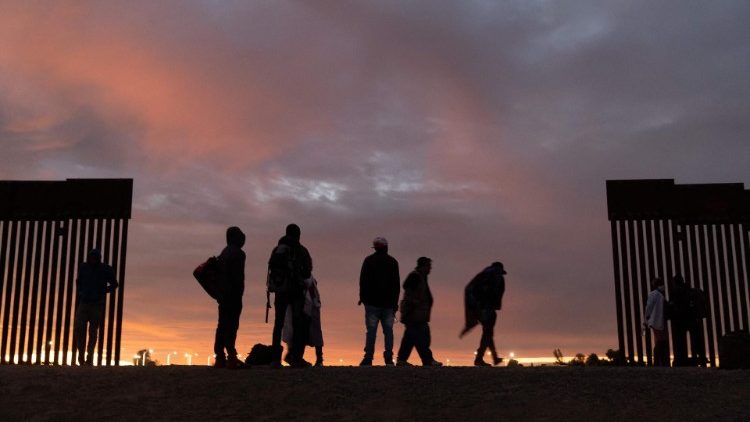
また、聖書の出エジプト記の旅と、今日の移民たちの旅に多くの共通点を見出され、「モーセの時代のイスラエルの民のように、今日の移民たちも、多くの場合、抑圧や、治安の不安定、差別、将来のビジョンの欠如などに促されて祖国を後にせざるを得ず、その道中も飢えや渇き、疲労や病気に見舞われるなど、絶望に陥りかねない状況に置かれています」と記された。

そして、「すべての場所と時代における移民の旅には、神が先立って歩まれ、ご自分の民の歩みを見守られます… 人々の間におられる神の現存こそは、救いの歴史の一つの確信である」とされ、「多くの移民たちは、旅の同伴者、導き手、救いの錨(いかり)としての神を体験します。移民たちは旅立ちに自らを神にゆだね、助けを必要とする時に神に寄り頼み、失望した時は神に慰めを求め、祈りの中で、神に自分たちの希望を託します」と述べられた。

さらに、「神はご自分の民と共に歩まれるだけでなく、民の間に、特に貧しい人、疎外された人々の中におられます。ですから、移民との出会いはキリストとの出会いでもあるのです。それはイエスご自身がマタイ福音書25章の中で述べておられる通りです」と指摘された。

「世界難民移住移動者の日」にあたって、「尊厳ある生活を目指して祖国を後にしたすべての人たちのために一致して祈るように」と世界の人々に求められ、「天の御国を目指す旅する教会が、移民の兄弟姉妹たちと共に歩めるよう、また、支援を必要とする人との出会いがイエスとの出会いになるために、私たちの目と心が開けるように」と神に助けを祈られた。

(編集「カトリック・あい」)

 英語公式訳の全文以下の通り。

MESSAGE OF HIS HOLINESS POPE FRANCIS FOR THE 110th WORLD DAY OF MIGRANTS AND REFUGEES 2024(Sunday, 29 September 2024)

  God walks with his people

Dear brothers and sisters!

Last 29 October marked the conclusion of the First Session of the XVI Ordinary General Assembly of the Synod of Bishops. This session allowed us to deepen our understanding of synodality as part of the Church’s fundamental vocation. “Synodality is mainly presented as a joint journey of the People of God and as a fruitful dialogue between the charisms and ministries at the service of the coming of the Kingdom” (Synthesis Report, Introduction).

Emphasizing the synodal dimension allows the Church to rediscover its itinerant nature, as the People of God journeying through history on pilgrimage, “migrating”, we could say, toward the Kingdom of Heaven (cf. Lumen Gentium, 49). The biblical narrative of Exodus, depicting the Israelites on their way to the promised land, naturally comes to mind: a long journey from slavery to freedom prefiguring the Church’s journey toward her final encounter with the Lord.

Likewise, it is possible to see in the migrants of our time, as in those of every age, a living image of God’s people on their way to the eternal homeland. Their journeys of hope remind us that “our citizenship is in heaven, and it is from there that we are expecting a Saviour, the Lord Jesus Christ” (Phil 3:20).

The images of the biblical exodus and of migrants share several similarities. Like the people of Israel in the time of Moses, migrants often flee from oppression, abuse, insecurity, discrimination, and lack of opportunities for development. Similar to the Jews in the desert, migrants encounter many obstacles in their path: they are tried by thirst and hunger; they are exhausted by toil and disease; they are tempted by despair.

Yet the fundamental reality of the Exodus, of every exodus, is that God precedes and accompanies his people and all his children in every time and place. God’s presence in the midst of the people is a certainty of salvation history: “The Lord your God goes with you; he will not fail you or forsake you” (Deut 31:6). For the people who came out of Egypt, this presence manifested itself in different forms: a pillar of cloud and fire showing and illuminating the way (cf. Ex 13:21), the meeting tent that protected the ark of the covenant, making God’s closeness tangible (cf. Ex 33:7), the pole with the bronze serpent assuring divine protection (cf. Nm 21:8-9), manna and water (cf. Ex 16-17) as God’s gifts to the hungry and thirsty people. The tent is a form of presence especially dear to the Lord. During David’s reign, God chose to dwell in a tent, not a temple, so that he could walk with his people, “from tent to tent and from dwelling to dwelling” (1 Chr 17:5).

Many migrants experience God as their traveling companion, guide and anchor of salvation. They entrust themselves to him before setting out and seek him in times of need. In him, they find consolation in moments of discouragement. Thanks to him, there are good Samaritans along the way. In prayer, they confide their hopes to him. How many Bibles, copies of the Gospels, prayer books and rosaries accompany migrants on their journeys across deserts, rivers, seas and the borders of every continent!

God not only walks with his people, but also within them, in the sense that he identifies himself with men and women on their journey through history, particularly with the least, the poor and the marginalized. In this we see an extension of the mystery of the Incarnation.

For this reason, the encounter with the migrant, as with every brother and sister in need, “is also an encounter with Christ. He himself said so. It is he who knocks on our door, hungry, thirsty, an outsider, naked, sick and imprisoned, asking to be met and assisted” (Homily, Mass with Participants in the “Free from Fear” Meeting, Sacrofano, 15 February 2019). The final judgment in Matthew 25 leaves no doubt: “I was a stranger and you welcomed me” (v. 35); and again “truly, I say to you, as you did it to one of the least of these brothers and sisters of mine, you did it to me” (v. 40). Every encounter along the way represents an opportunity to meet the Lord; it is an occasion charged with salvation, because Jesus is present in the sister or brother in need of our help. In this sense, the poor save us, because they enable us to encounter the face of the Lord (cf. Message for the Third World Day of the Poor, 17 November 2019).

Dear brothers and sisters, on this day dedicated to migrants and refugees, let us unite in prayer for all those who have had to leave their land in search of dignified living conditions. May we journey together with them, be “synodal” together, and entrust them, as well as the forthcoming Synod Assembly, “to the intercession of the Blessed Virgin Mary, a sign of sure hope and consolation to the faithful People of God as they continue their journey” (XVI Ordinary General Assembly Synthesis Report: Proceeding Along the Journey).

Prayer

God, Almighty Father,
we are your pilgrim Church
journeying towards the Kingdom of heaven.
We live in our homeland,
but as if we were foreigners.
Every foreign place is our home,
yet every native land is foreign to us.
Though we live on earth,
our true citizenship is in heaven.
Do not let us become possessive
of the portion of the world
you have given us as a temporary home.
Help us to keep walking,
together with our migrant brothers and sisters,
toward the eternal dwelling you have prepared for us.
Open our eyes and our hearts
so that every encounter with those in need
becomes an encounter with Jesus, your Son and our Lord.
Amen.

Rome, Saint John Lateran, 24 May 2024, Memorial of the Blessed Virgin Mary, Help of Christians

FRANCIS

2024年6月4日

☩「聖体をいただくことが私たちを新たな世界の預言者にする」ー「キリストの聖体の主日」の正午の祈りで

教皇フランシスコ 2024年6月2日のお告げの祈り教皇フランシスコ 2024年6月2日のお告げの祈り  (ANSA)

 教皇フランシスコは2日、「キリストの聖体の主日」の正午の祈りに先立つ説教で、この日のミサで読まれた福音、マルコ福音書中の主の晩餐の場面(14章12-16、22-26節)を取り上げられた。

 要旨は次のとおり。

**********

 イタリアや他の国々では今日、「キリストの聖体」の祭日を祝います。今日のミサで読まれた福音は、イエスの最後の晩餐について語っています。

 ここでイエスは自らを差し出す行為をなされました。弟子たちに与えられた裂かれたパンと、渡された杯は、イエスご自身です。イエスはご自身を全人類に与え、世の命のためにご自分を捧げられました。

 パンを裂くイエスの行為において、マルコ福音書は「弟子たちに与えて」(14章22節)という言葉で、ある重要な側面を強調しています―聖体とは、何よりも「贈り物」だ、ということです。イエスはパンを取られましたが、それはご自分でお食べになるためではなく、裂いて弟子たちに与えるためでした。そのようにして、イエスはご自分のアイデンティティーと使命を啓示されたのです。

 イエスは命をご自分のために取っておかれず、私たちに与えられました。ご自分が神であることを譲ることのできない宝のように考えず、私たちの人性を分かち合い、私たちを永遠の命に入らせるために、ご自身の栄光を脱ぎ捨てました(フィリピの信徒への手紙2章1-11節)。ご自身の命のすべてを贈り物とされたのです。

 このようにして、私たちは、「ミサを祝い、聖体に養われることが、生活から切り離された行為でも、単なる個人的なぐさめの時でもないこと」を理解するでしょう。イエスは「パンを取り、裂き、弟子たちに与えられた」。そして、イエスとの一致は、私たちに、「他者のために裂かれたパンとなり、自分の存在、自分が持っているものを分かち合うこと」を可能にします。聖レオ1世教皇はこのように言っておられます―「キリストの御体と御血に与ることは、私たちを、そのいただくものと同じものにしようとする」と。

 私たちが「なるように」と召されているもの、それは私たちがいただく聖体と似たものとなること、すなわち「聖体的」な存在となることです。所有や消費の論理のもとに自分のためだけに生きる者ではなく( ローマの信徒への手紙14章7節)、自分の人生を他者への贈り物とすることができる者になることです。

 このように、私たちは聖体のおかげで、新しい世界の構築者となります。エゴイズムを乗り越える時、愛に自らを開く時、兄弟愛の絆を育てる時、兄弟たちの苦しみに寄り添う時、助けを必要とする人たちとパンや持っているものを分け合う時、自分たちの才能を皆のために役立てようとする時、私たちは、イエスのように自分の命のパンを裂くことになるのです。

 ここで自分に問いかけましょう―「私は、自らの人生を自分のためだけにとっておくのか、それともイエスのように与えるのか」「私は、他者のために自分を惜しまず与えているだろうか、それとも狭い自分の中に閉じこもっているだろうか」「私は、日々の生活で、他者と分かち合っているだろうか、それとも自分の利益を追求しているだろうか」。

 天から降りてきたパン、イエスを受け入れ、イエスと共にご自身を完全に捧げられたおとめマリアよ、私たちが聖体=イエスと一致し、自らを愛の贈り物とすることができるようお助けください。

(編集「カトリック・あい」)


2024年6月2日

◎新教皇連続講話「聖霊と花嫁」①「混沌」を「美しく秩序ある宇宙」に変容させた聖霊が皆に働いている


2024年5月29日

☩「平和と友愛を促進するため、包括的な世界へ共に働こう」-教皇、タイの仏教使節団へ

Pope Francis meeting the Thai Buddhist monks from the Wat Phra Cetuphon temple in Bangkok (Thailand)Pope Francis meeting the Thai Buddhist monks from the Wat Phra Cetuphon temple in Bangkok (Thailand)  (VATICAN MEDIA Divisione Foto)

(翻訳・編集「カトリック・あい」南條俊二)

2024年5月28日